
Frequently Asked Questions About Axiom Water Technologies RO Systems
Welcome to the official FAQ page for Frequently Asked Questions About Axiom Water Technologies RO Systems. This page answers the most important questions about our reverse osmosis water purifiers, also known as RO water purification machines, reverse osmosis water purification machines, and reverse osmosis machines, from small commercial units to high-capacity industrial solutions ranging from 250LPH, 500LPH, 750LPH, 1000LPH, 1500LPH, 2000LPH, 3000LPH, 5000LPH, 6000LPH, to 10,000LPH. Whether you are a business owner, institution, or investor in Kenya looking for high-quality water treatment solutions, this guide helps you make informed decisions based on experience, expertise, and industry best practices.
For an overview of all available systems and capacities, visit our RO systems product page.
- What industries and applications use Axiom reverse osmosis water purifiers in Kenya?

Axiom’s water purification machines are used in a wide range of commercial and industrial applications across Kenya. Small and mid-capacity units such as 250 LPH and 500 LPH systems are popular with schools, small clinics, and small-scale food and beverage producers. Mid-range capacities like 750 LPH, 1000 LPH, and 2000 LPH are common in larger institutions, hotels, larger restaurants, and commercial laundries.
High-capacity reverse osmosis water purifiers such as 3000LPH, 5000 LPH, 6000 LPH, and 10,000 LPH are designed for bottling plants, large hotels, hospitals, real estate developments, and industrial manufacturing that demand consistent high-volume purified water. Across these sectors, our systems deliver reliable performance, regulatory compliance, and long operational life. - Can Axiom reverse osmosis water purifiers be used in hospitals and hotels?
Yes, Axiom’s reverse osmosis machines are widely used in both hospitals and hotels due to their versatility and ability to produce high-quality water. In hospitals, they supply safe, low-TDS water for drinking, sterilization, laboratories, and dialysis pre-treatment, often paired with UV water sterilization or post-treatment features.
Hotels use these systems to support guest drinking water, kitchen operations, laundry facilities, and ice machines, ensuring water safety and equipment longevity. The systems are customized based on demand, for example, a hospital may require parallel units or redundant systems for critical functions, while a hotel might integrate storage tanks to manage peak usage periods efficiently. - What water quality challenges do Axiom RO water purification machines handle?
 Axiom reverse osmosis systems are designed to handle a wide spectrum of feed water qualities found in Kenya. From municipal and borehole sources with moderate contaminants to harder problems like high TDS or saline water, these machines can be configured accordingly. Standard units comfortably manage TDS levels of up to 2,000–3,000 ppm with multi-stage filtration and anti-scalant pretreatment, protecting membranes and enhancing performance.
For very high TDS sources or saline water, high-pressure and corrosion-resistant units such as our 10,000 LPH seawater reverse osmosis water purification machines are engineered to deliver reliable purification in demanding environments. - How do reverse osmosis water purifiers work to clean water?
Reverse osmosis machines remove dissolved contaminants and impurities through a semi-permeable membrane and multi-stage filtration process. First, pre-filtration removes sediments, rust, and particulates to protect the core membrane. Next, activated carbon filters eliminate chlorine, odors, and organic compounds, improving taste and preparing the water for the RO membrane.
The membrane then rejects up to 99% of total dissolved solids (TDS), heavy metals, and microbes. Optional post-treatment such as UV sterilization further ensures microbiological safety, making water suitable for drinking, industrial use, or food production. - How much water can different RO system capacities produce?

- Different Axiom reverse osmosis machines are designed to meet various output requirements:
- 250 LPH and 500 LPH units produce up to 250–500 liters per hour, ideal for smaller institutions or preliminary needs.
- 750 LPH and 1000 LPH systems are suited for medium-size facilities, commercial kitchens, offices, and small production lines.
- 2000–3000 LPH machines serve larger institutions, factories, or hospital complexes.
- 5000–10,000 LPH systems are industrial-grade units built for continuous, high-volume water purification, bottling plants, and large-scale residential developments. These capacities align with your consumption and operational needs, ensuring efficient water delivery without frequent downtime.
- What is the typical recovery rate and water efficiency of Axiom reverse osmosis machines?
Recovery rate — the percentage of purified output relative to feed water — varies based on design and feed water quality. Most Axiom reverse osmosis water purifiers achieve recovery rates between 50–75%, meaning 500 to 750 liters of purified water from every 1000 liters of source water. Efficiency is improved through proper pretreatment, anti-scalant dosing, and regular maintenance, which minimize membrane fouling and optimize performance. This makes the systems both effective and cost-efficient for commercial and industrial use. - How much electricity do Axiom RO water purification machines consume?
 Electricity consumption depends on the system’s capacity and feed water conditions. Smaller units such as 250–1000 LPH machines generally consume between 2–5 kW per hour, while larger industrial units (e.g., 3000–10,000 LPH) may require 5–15 kW per hour. More saline or high-TDS sources need higher operating pressure, which can slightly increase energy use. However, Axiom designs its machines to balance energy efficiency with performance, keeping operational costs manageable.
 - What maintenance do these reverse osmosis water purifiers require?
Routine maintenance ensures long service life and optimal water quality. Pre-filters such as sediment and carbon cartridges are replaced periodically (every 2–6 months depending on use). RO membranes are cleaned and checked every 3–6 months and replaced when performance falls below specifications. Periodic checks of pumps, gauges, and control panels help detect issues early. Axiom Water Technologies provides service support, maintenance plans, and training to help clients keep systems running at peak efficiency. - Can these machines remove bacteria, viruses, and harmful microbes?
Yes, reverse osmosis water purification machines remove up to 99% of dissolved contaminants, including bacteria, viruses, and protozoa. The semi-permeable membrane is fine enough to block microscopic organisms. When paired with UV sterilization as a post-treatment stage, the microbial safety of the water is even higher, making the systems suitable for drinking water, healthcare, and food processing applications. - Are Axiom reverse osmosis water purifiers suitable for saline or seawater?
 Yes, Axiom offers specialized high-capacity RO water purifiers designed for saline and seawater applications such as coastal factories, resorts, and industrial facilities. These systems use high-pressure pumps, corrosion-resistant frames, and specialized membranes to handle high TDS feed water effectively while delivering continuous, high-volume purified water. This capability makes them ideal for environments where freshwater sources are limited or saline contamination is high.
 - How do I choose the right capacity system for my project?
Choosing the correct capacity depends on daily water usage estimates, peak usage periods, and future growth plans. Small commercial operations or offices may require 250–1000 LPH units, while larger businesses and institutions might need systems rated between 2000–5000 LPH. Industrial, municipal, or high-demand projects often require 6000 LPH or 10,000 LPH units to maintain supply continuity. Axiom’s experts assess your feed water quality and demand profile to recommend the most cost-effective, compliant solution. - Where can I buy and install Axiom reverse osmosis water purification machines in Kenya?
Axiom Water Technologies supplies, installs, and services its water purification machines throughout Kenya. You can visit the showroom at Toll Station, Ruiru, or contact our sales team for site assessments and customized proposals. Axiom offers nationwide support, including installation, commissioning, and ongoing technical assistance to ensure reliable, compliant operation.
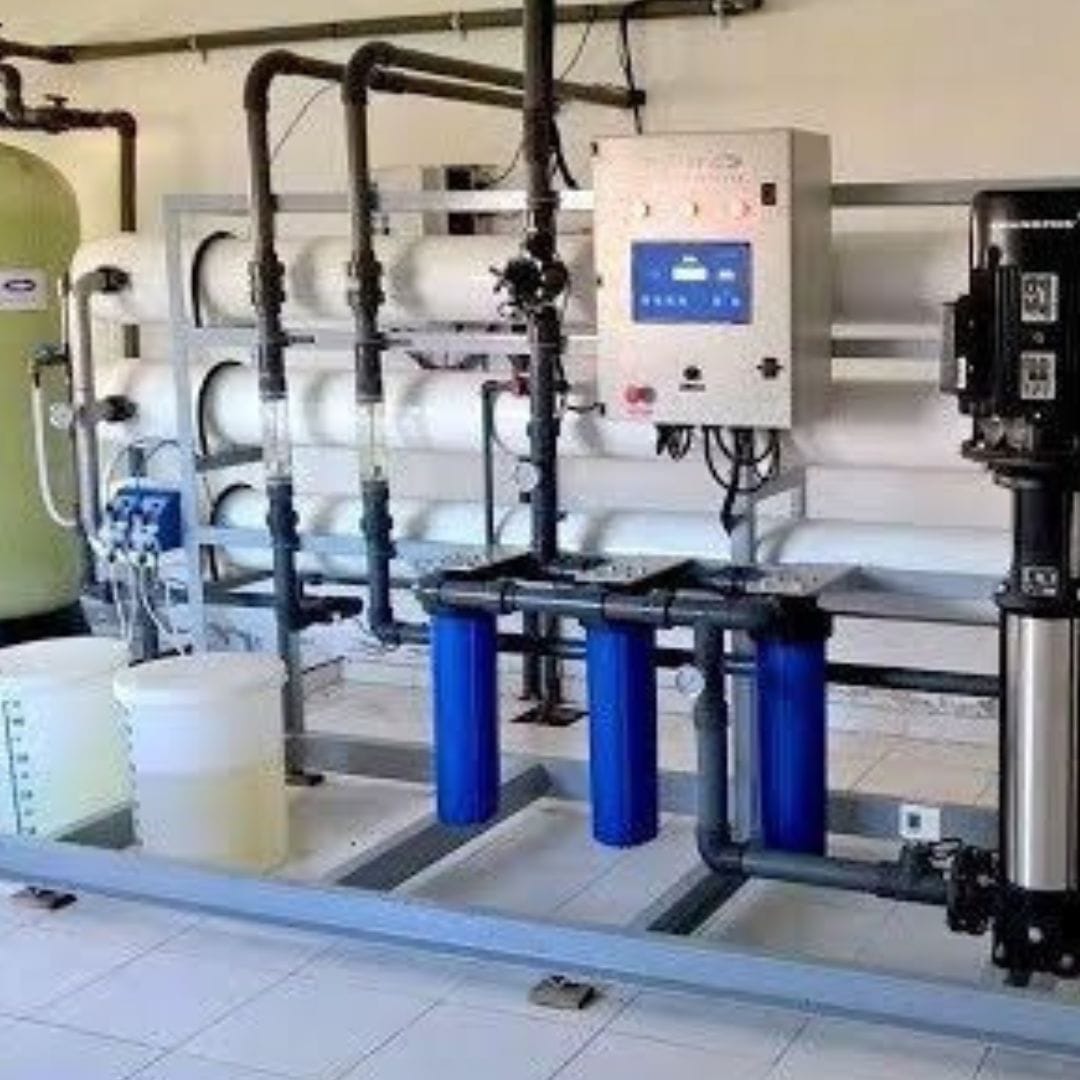
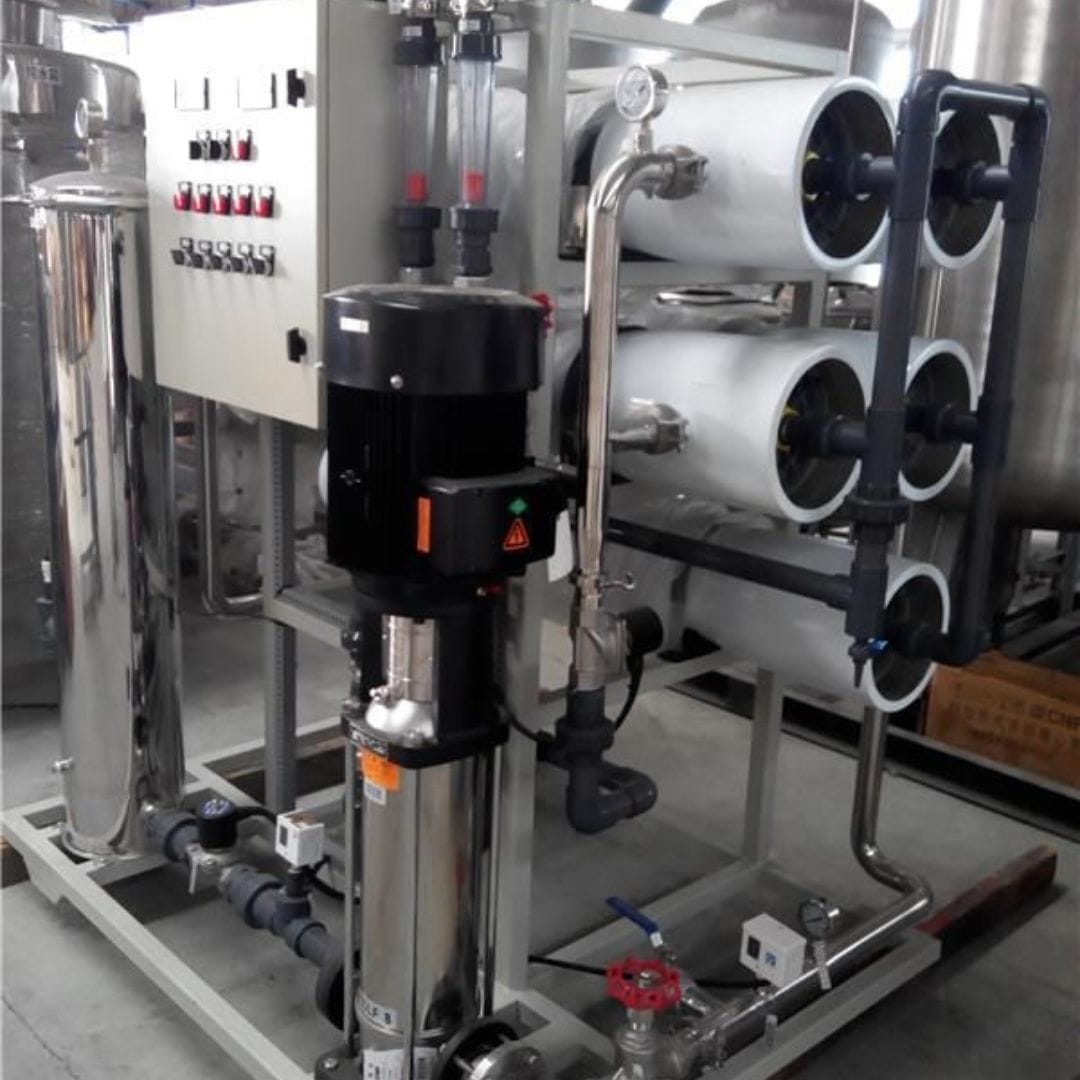 Axiom reverse osmosis systems are designed to handle a wide spectrum of feed water qualities found in Kenya. From municipal and borehole sources with moderate contaminants to harder problems like high TDS or saline water, these machines can be configured accordingly. Standard units comfortably manage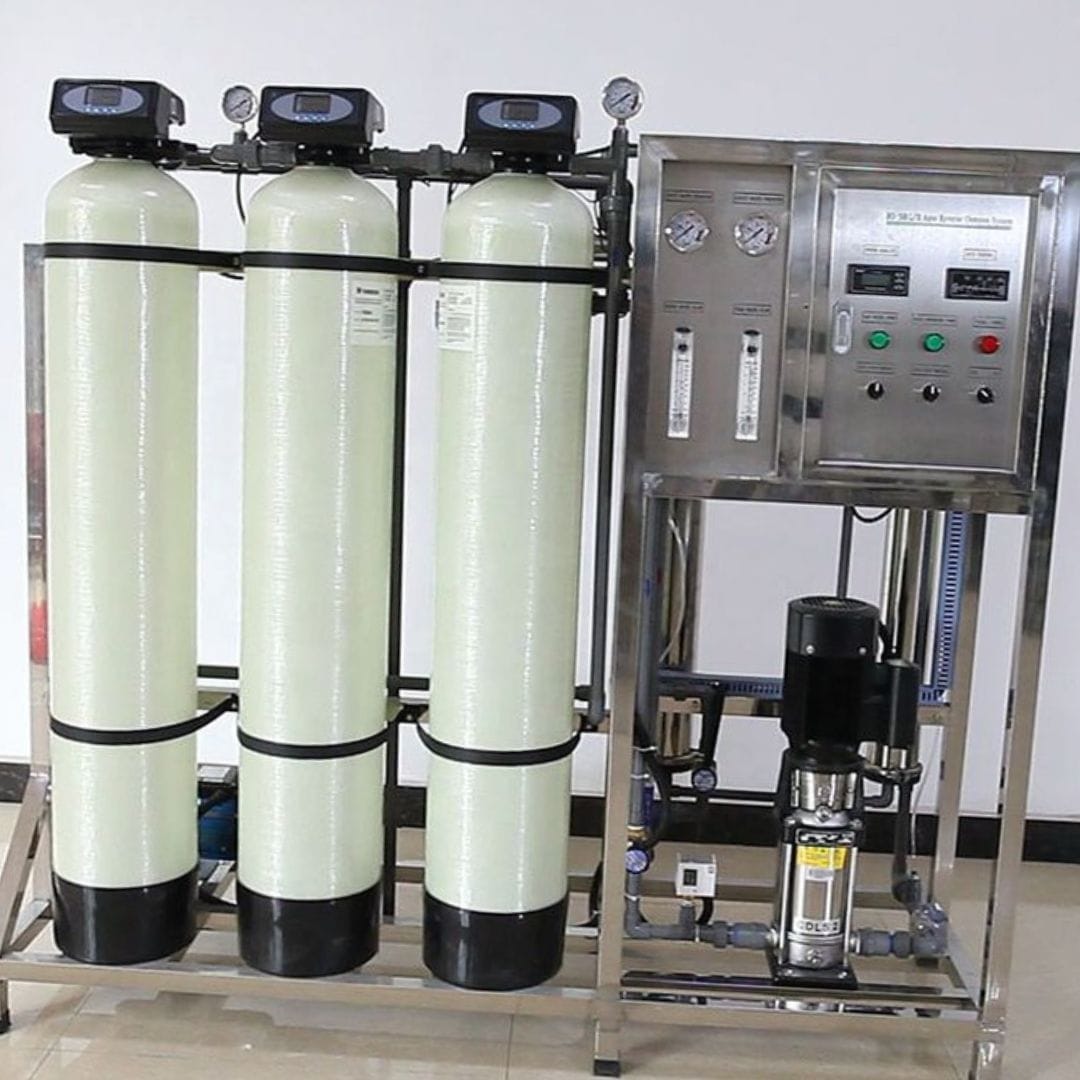
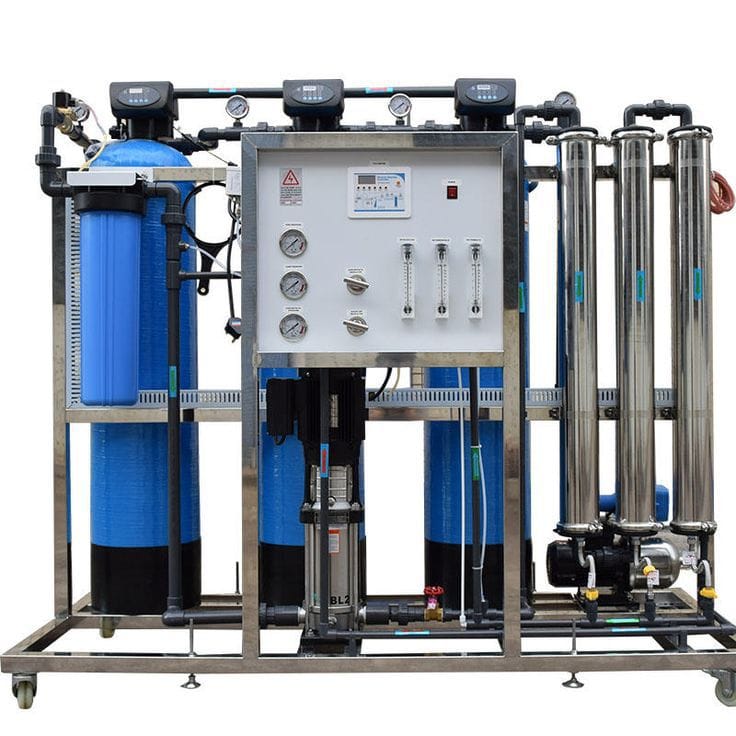 Electricity consumption depends on the system’s capacity and feed water conditions. Smaller units such as 250–1000 LPH machines generally consume between 2–5 kW per hour, while larger industrial units (e.g., 3000–10,000 LPH) may require 5–15 kW per hour. More saline or high-TDS sources need higher operating pressure, which can slightly increase energy use. However, Axiom designs its machines to balance energy efficiency with performance, keeping operational costs manageable.
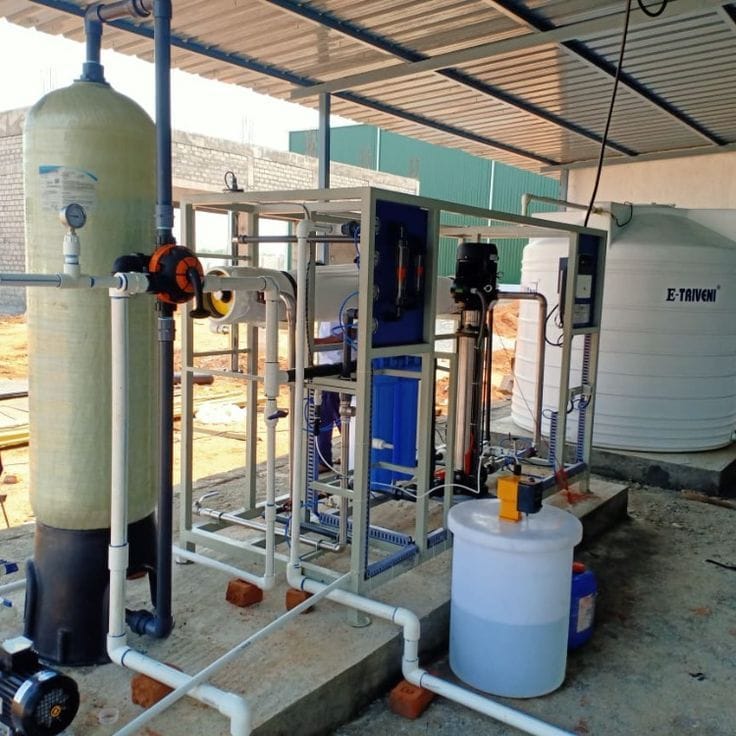 Yes, Axiom offers specialized high-capacity RO water purifiers designed for saline and seawater applications such as coastal factories, resorts, and industrial facilities. These systems use high-pressure pumps, corrosion-resistant frames, and specialized membranes to handle high TDS feed water effectively while delivering continuous, high-volume purified water. This capability makes them ideal for environments where freshwater sources are limited or saline contamination is high.