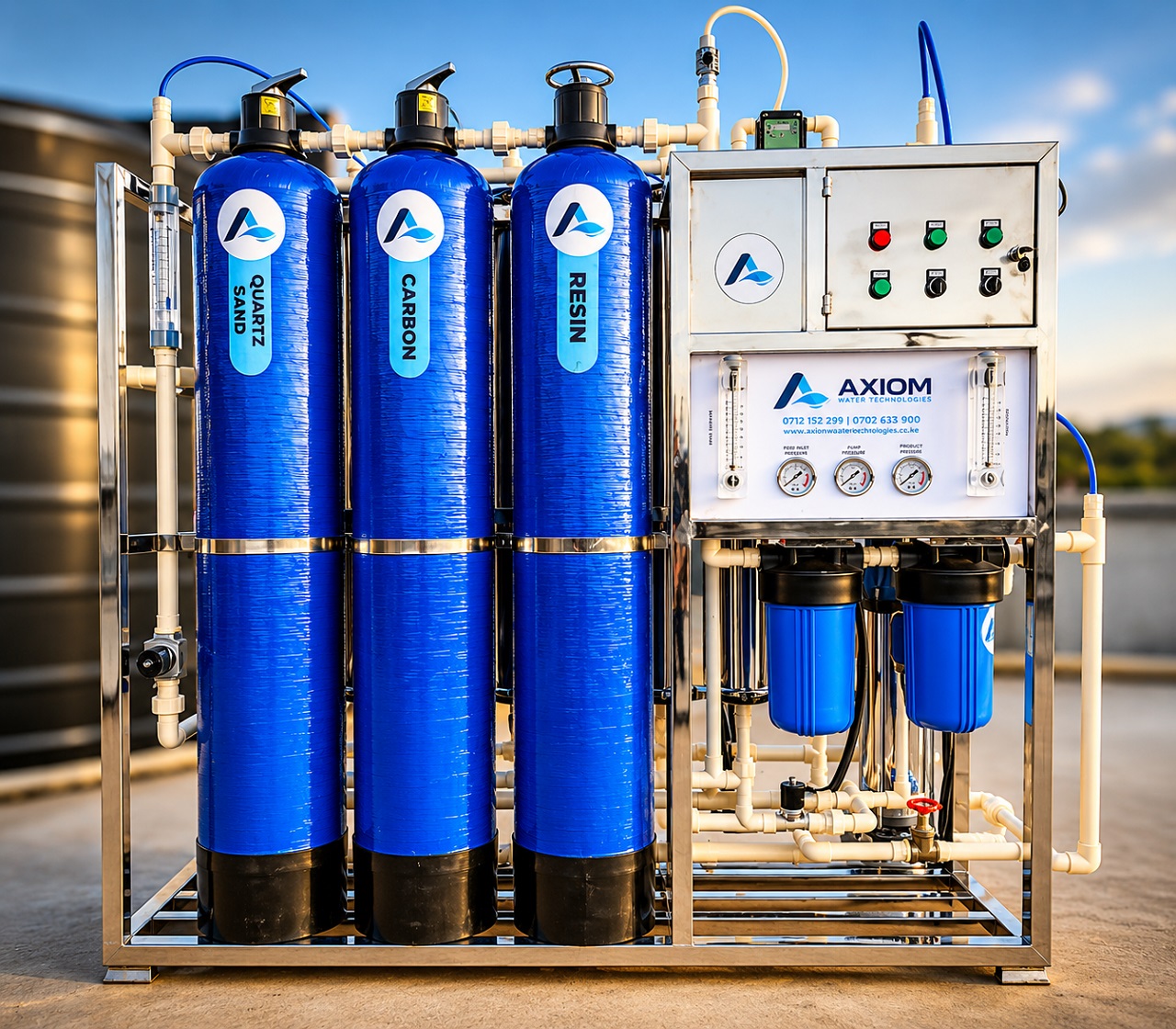
Reverse Osmosis Systems for Hospitals in Kenya
Reverse Osmosis Systems for Hospitals in Kenya
Hospitals rely on clean, safe, and consistently available water every day. From patient drinking water and laboratory operations to sterilization units and dialysis treatment, water quality directly affects patient safety and healthcare outcomes. This is why many healthcare facilities are investing in Reverse Osmosis systems for hospitals in Kenya to achieve higher water purity standards and reduce the risks associated with contaminated or mineral-laden water.
Whether you manage a private hospital, county referral facility, dialysis center, maternity hospital, laboratory, or specialized medical institution, choosing the right water purification solution is essential. This guide explains how hospital RO systems work, where they are used, what they cost, and how to select the best system for your facility.
What is Reverse Osmosis Systems for Hospitals?
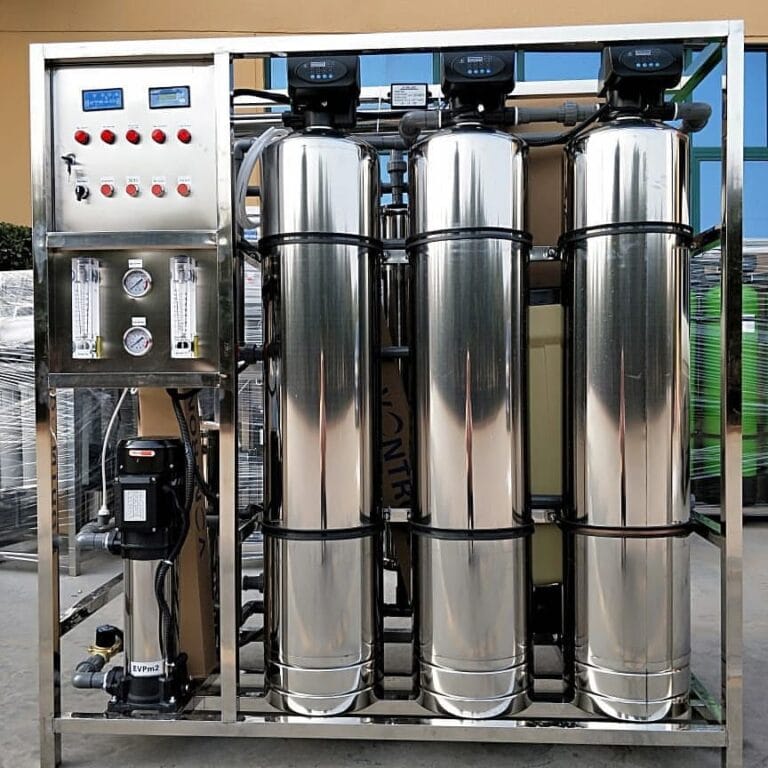
Reverse osmosis systems for hospitals are advanced water purification systems that use semi-permeable membranes to remove dissolved salts, bacteria, viruses, heavy metals, chemicals, and other contaminants from water. Hospitals use these systems to produce high-quality water for drinking, sterilization, laboratory procedures, dialysis treatment, pharmaceutical preparation, and other critical medical applications.
Why Hospitals Need High-Quality Water Purification
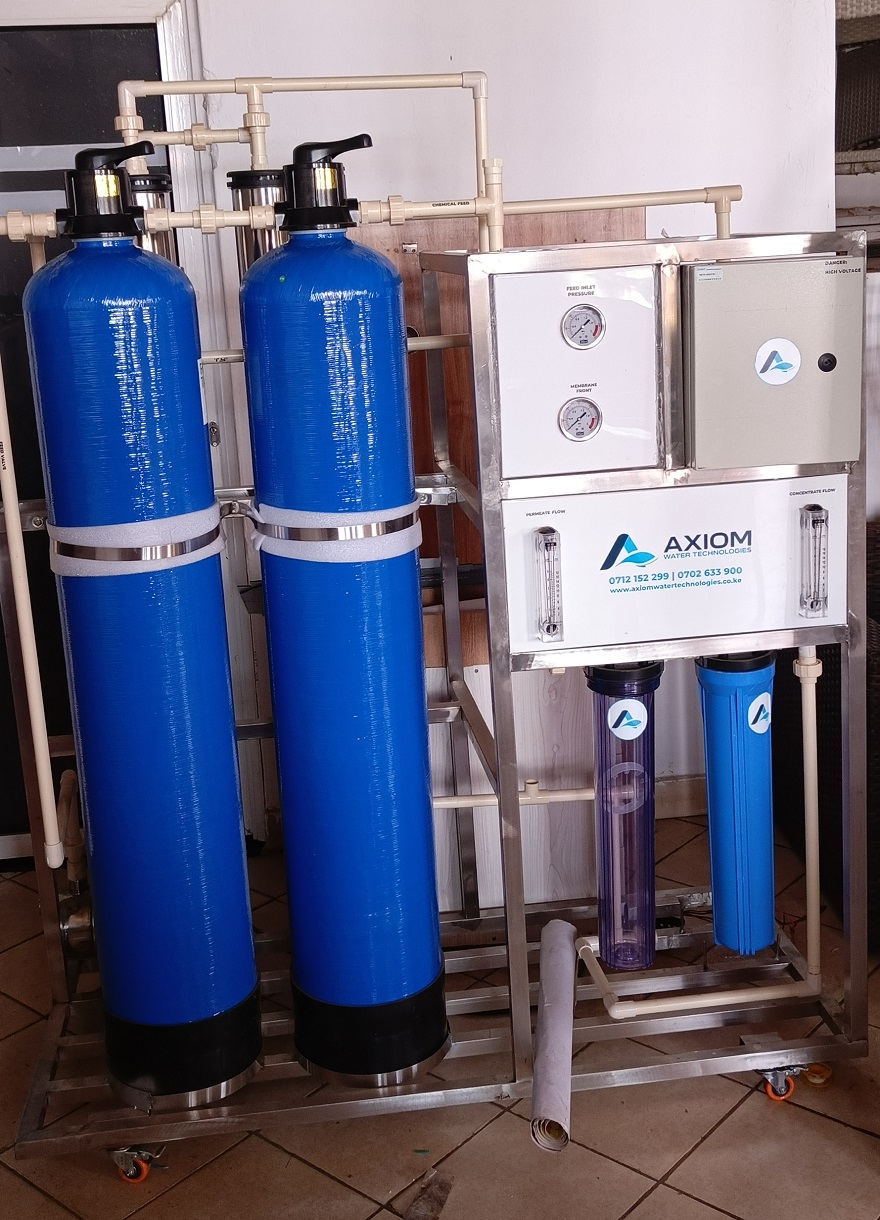 Water is used in nearly every department within a hospital. Even when municipal water is available, it may contain dissolved minerals, chlorine, microorganisms, or contaminants that can interfere with medical procedures.
Common hospital applications include:
- Drinking water for patients and staff
- Dialysis water treatment
- Laboratory testing and analysis
- Central Sterile Services Department (CSSD)
- Surgical theaters
- Medical equipment cleaning
- Pharmaceutical preparation
- Hospital kitchens and cafeterias
- Laundry operations
Poor water quality can damage expensive equipment, reduce sterilization effectiveness, and compromise patient safety.
Reverse Osmosis Systems for Hospitals in Kenya and Patient Safety
Healthcare facilities require water that meets strict quality standards. RO systems remove contaminants that may affect vulnerable patients, particularly those undergoing dialysis, surgery, intensive care treatment, and specialized laboratory procedures.
For dialysis units, water quality is especially important because patients are exposed to large volumes of treated water during treatment sessions.
Pro Tip: When selecting an RO system for a hospital, always evaluate future expansion needs. Many facilities underestimate growth and later require costly upgrades.
Types of Hospital RO Systems Available in Kenya
Hospitals have different water demands depending on their size and services.
| Hospital Type | Recommended RO Capacity |
| Small Clinic | 250–500 LPH |
| Nursing Home | 500–1000 LPH |
| Medium Hospital | 1000–3000 LPH |
| Large Hospital | 3000–10000+ LPH |
| Dialysis Center | Custom Design |
| Referral Hospital | Industrial Custom System |
General Hospital RO Systems
These systems supply purified water for drinking, laboratory work, kitchens, sterilization, and general healthcare operations.
Many facilities looking for the best hospital RO systems in Kenya choose custom-built units designed around actual water consumption rather than generic imported models.
Dialysis RO Systems
Dialysis treatment requires exceptionally pure water. Specialized RO systems are designed to meet international dialysis water standards while ensuring consistent performance and patient safety.
Laboratory RO Systems
Laboratories require water with low conductivity and minimal contamination. RO systems can be integrated with deionization and UV sterilization technologies for enhanced purification.
Pro Tip: Always conduct a water analysis before purchasing an RO system. Borehole water, municipal water, and coastal water often require different treatment configurations.
Key Features to Look for in Hospital RO Systems
Not all RO systems are suitable for healthcare environments. 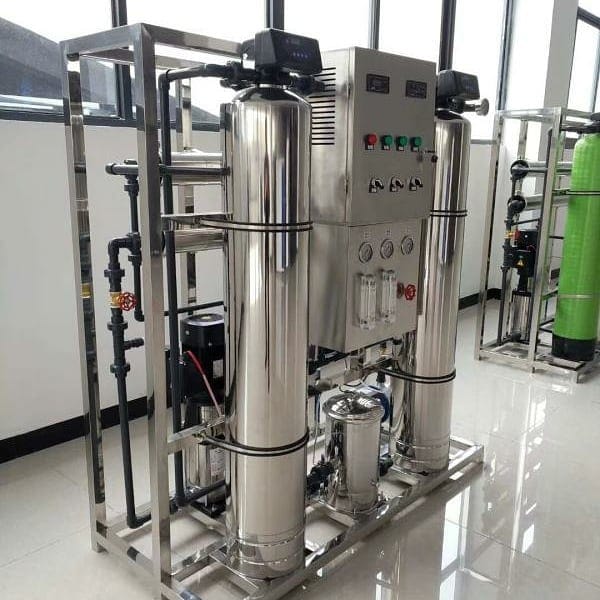
Important features include:
Reliable Pre-Treatment
Proper pre-treatment extends membrane life and improves purification performance. Components may include:
- Multimedia filters
- Activated carbon filters
- Water softeners
- Iron removal systems
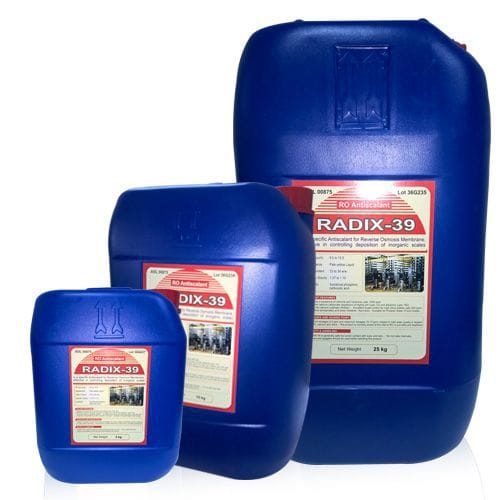
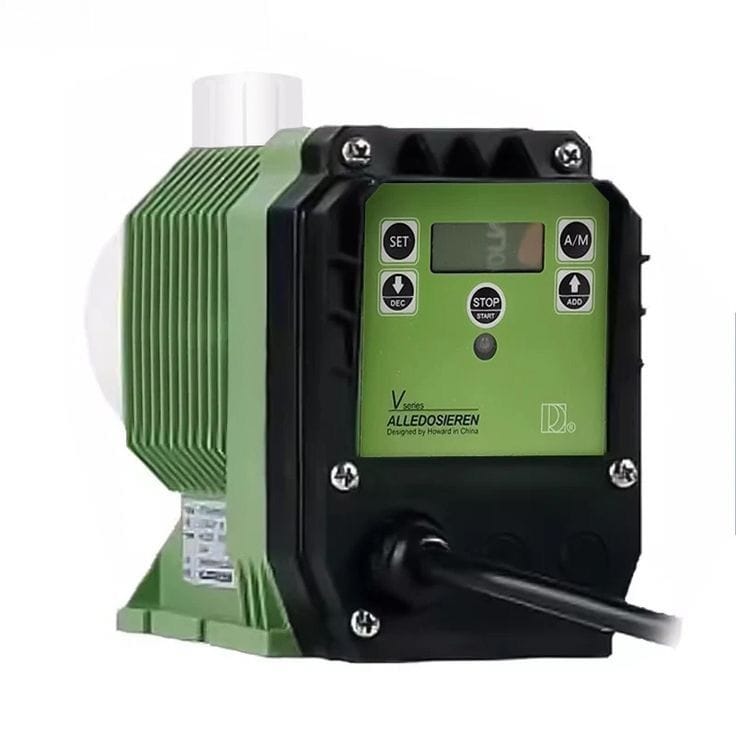
- Chemical dosing systems
High-Performance Membranes
Quality membranes are the heart of every RO system. Facilities seeking RO water purifiers designed for hospital use should prioritize systems using globally recognized membrane technology.
Automated Monitoring
Modern hospital RO systems can monitor:
- Water conductivity
- Flow rates
- Pressure levels
- Tank levels
- Membrane performance
UV and Ozone Disinfection
Additional disinfection stages help prevent microbial contamination and improve water quality consistency.
Cost of Reverse Osmosis Systems for Hospitals in Kenya
Hospital RO system costs vary significantly depending on capacity, water quality, treatment requirements, and installation complexity.
| System Type | Approximate Cost Range |
| Small Clinic RO System | KES 250,000 – 600,000 |
| Medium Hospital System | KES 600,000 – 2 Million |
| Large Hospital RO Plant | KES 2 Million – 10 Million+ |
| Dialysis RO System | KES 1 Million – 8 Million+ |
| Custom Industrial Solution | Site-Specific Quotation |
Factors affecting cost include:
- Daily water demand
- Source water quality
- Automation requirements
- Storage capacity
- Backup systems
- Installation complexity
- Distribution piping requirements
Healthcare facilities searching for Reverse Osmosis systems for hospitals in Kenya should focus on value rather than initial purchase price alone.
Why Custom-Built Hospital RO Systems Often Perform Better
 Many hospitals purchase standard imported systems that are not designed for local conditions.
Custom-built systems provide several advantages:
- Designed around actual water quality
- Optimized for local operating conditions
- Easier access to spare parts
- Better after-sales support
- Improved energy efficiency
- Scalable capacity expansion
This is why many healthcare facilities increasingly prefer custom made RO machines for hospitals rather than generic off-the-shelf solutions. Axiom Water Technologies offers custom RO solutions for dialysis, laboratories, sterilization, and healthcare facilities.
Pro Tip: Request a detailed water analysis report and system design proposal before approving any hospital RO installation.
Common Mistakes Hospitals Make When Buying RO Systems
Choosing the wrong system can result in high operating costs, poor water quality, and equipment failures.
Common mistakes include:
- Buying Based on Price Alone- The cheapest system often becomes the most expensive due to repairs, downtime, and premature replacement.
- Ignoring Water Quality Testing- Without proper analysis, the system may be undersized or incorrectly configured.
- Overlooking Maintenance Requirements- Hospitals should understand membrane replacement schedules, filter changes, and servicing needs before installation.
- Choosing Inadequate Capacity- Facilities frequently underestimate future growth and eventually outgrow their systems.
- Failing to Verify Supplier Support- Technical support and spare parts availability are critical for healthcare environments where downtime is unacceptable.
Why Axiom Water Technologies is a Trusted Partner for Hospital RO Systems
Healthcare facilities require more than just equipment. They need reliable long-term water treatment solutions.
Axiom Water Technologies designs and supplies advanced RO systems tailored to Kenyan conditions and healthcare requirements.
Benefits include:
- Site-specific system design
- Professional installation
- High-quality membranes and components
- Technical support and maintenance
- Scalable system configurations
- Water quality testing and consultation
- Solutions for hospitals, laboratories, and dialysis units
Hospitals across Kenya can benefit from systems engineered to deliver consistent water quality while reducing long-term operating costs.
The best reverse Osmosis systems for hospitals in Kenya- Conclusion
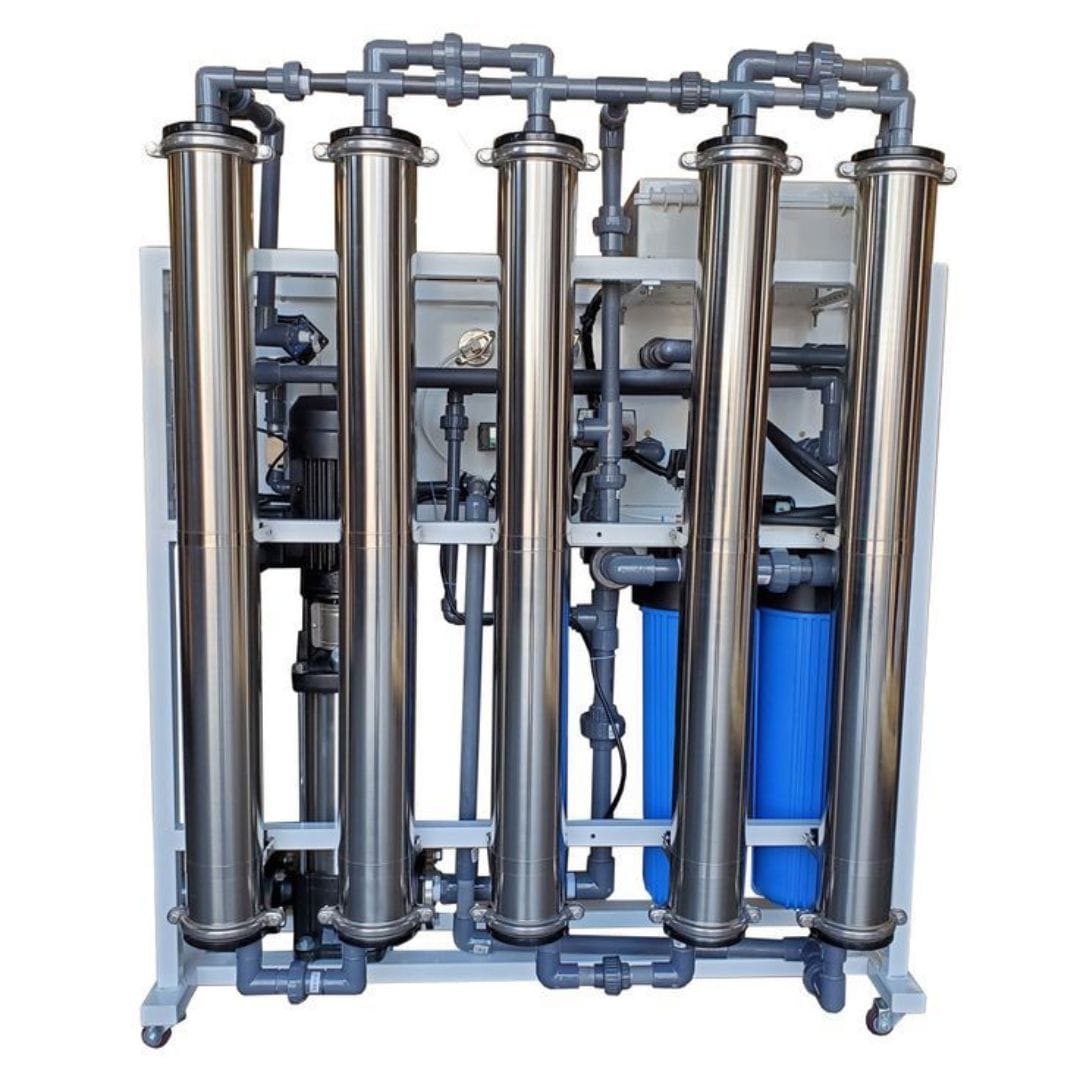 Water quality is a critical component of healthcare delivery. Whether a facility requires purified water for patient consumption, laboratory testing, sterilization processes, or dialysis treatment, investing in properly designed Reverse Osmosis systems for hospitals in Kenya helps improve safety, reliability, and operational efficiency.
The most successful hospital water treatment projects begin with proper water analysis, accurate capacity planning, and system designs tailored to specific healthcare needs. Facilities seeking reliable long-term performance should consider working with experienced providers such as Axiom Water Technologies, which specializes in custom-engineered RO solutions for Kenyan healthcare institutions.
Contact Axiom Water Technologies Today
If your hospital, clinic, laboratory, dialysis center, or healthcare facility requires reliable water purification, Axiom Water Technologies can help.
Why choose Axiom Water Technologies?
- Custom-designed hospital RO systems built for Kenyan water conditions.
- Expertise in dialysis, laboratory, sterilization, and general hospital water treatment.
- High-quality components and membrane technology.
- Professional installation and commissioning services.
- Ongoing technical support, maintenance, and spare parts availability.
Contact Us Today:
- 📞 Call: +254702633900
- 📧 Email: info@axiomwatertechnologies.co.ke
- 📍 Location: Toll Station Near Kimbo-Ruiru
- 🕒 Operating Hours: Monday–Friday, 8:00 AM–6:00 PM
- 💬 Leave a comment below this post and our team will respond promptly.
- 📝 Fill out our contact form today to request a quotation, schedule a site assessment, or discuss your hospital water purification requirements.
Hospital RO systems cost in Kenya- Frequently Asked Questions
- What size RO system does a hospital need?
The required size depends on patient numbers, departments served, water consumption, and future expansion plans. Small clinics may require only a few hundred liters per hour, while large hospitals may need several thousand liters per hour. - Are RO systems necessary for dialysis units?
Dialysis treatment requires highly purified water. Specialized dialysis RO systems help remove dissolved contaminants that could pose health risks to patients undergoing treatment. - How much do hospital RO systems cost in Kenya?
Costs vary based on capacity, water quality, automation level, and application. Small systems may start around KES 250,000, while large hospital installations can exceed several million shillings. - What is the difference between a hospital RO system and a domestic RO system?
Hospital systems are designed for continuous operation, higher volumes, advanced monitoring, and stricter water quality requirements. Domestic systems are intended for household drinking water applications. - Can an RO system treat borehole water for hospital use?
Most hospital RO systems can effectively treat borehole water when paired with appropriate pre-treatment such as filtration, softening, iron removal, or chemical dosing systems. - Where can I find hospital RO system suppliers near me in Kenya?
Healthcare facilities across Kenya can work with Axiom Water Technologies for custom hospital water purification solutions, technical consultation, installation, and maintenance support. - Are custom RO systems better than imported standard systems?
In many cases, yes. Custom systems are designed around local water conditions, facility requirements, and future expansion needs, often resulting in better performance and lower lifecycle costs.
Sources:
- Association for the Advancement of Medical Instrumentation (AAMI) Dialysis Water Quality Standards- https://www.aami.org/standards
- Centers for Disease Control and Prevention (CDC) – Water Management Program Toolkit for Healthcare Facilities- https://www.cdc.gov/legionella/wmp/toolkit/index.html
- World Health Organization (WHO) – Water Safety in Buildings- https://www.who.int/publications/i/item/9789241548106
- National Kidney Foundation – Hemodialysis Water Quality Requirements- https://www.kidney.org/professionals/kdoqi
- International Journal of Environmental Research and Public Health – Water Quality and Healthcare Facilities- https://www.mdpi.com/1660-4601/17/24/9172