Water Refilling Business Tips

With the growing demand for clean, affordable drinking water across urban and peri-urban areas in Kenya, starting a water refilling business presents a compelling opportunity. At Axiom Water Technologies, we provide end-to-end solutions to help entrepreneurs establish and grow successful ventures in this space. This guide shares key Water Refilling Business Tips in Kenya to equip you with practical insights that lead to long-term business success.

Engineered for real-life performance, our systems empower users to make smarter water decisions through active use and measurable results. Whether you’re just starting out or scaling your operations, the tips shared below are designed to help you build a profitable, compliant, and eco-conscious water refilling station.

Water Refilling Business in Kenya

Why Start a Water Refilling Business in Kenya? Market Trends & Opportunities

Clean water access is no longer a luxury—it’s a necessity for households, schools, offices, and institutions across the country. As more Kenyans move to urban areas and become conscious of health and hygiene, the demand for treated, refillable drinking water continues to grow rapidly. This has opened up a unique business opportunity that is both impactful and profitable. Below, we break down the key factors fueling this trend and explain why now is the right time to enter the water refilling industry:

1. Rapid Urbanization and Population Growth

Kenya’s urban population is expanding quickly, with more people settling in towns and cities every year. This growth places pressure on existing water infrastructure, creating demand for alternative, reliable sources of clean water. Refilling stations serve as a practical solution for residents in these areas, especially where piped water is inconsistent or unsafe. Entrepreneurs who establish outlets in densely populated zones often see high daily sales volumes and repeat business.

2. Increased Awareness of Water-Borne Diseases

Public health campaigns and media coverage have educated many Kenyans about the risks associated with untreated water. Outbreaks of typhoid, cholera, and other illnesses have pushed families to seek safer drinking options. As a result, purified water has shifted from a premium option to an everyday necessity. Refilling stations that can demonstrate quality and hygiene stand to benefit greatly from this heightened awareness.

3. Affordable Startup and Scalable Model

Compared to many small businesses, starting a water refilling station requires relatively low capital. With professional guidance and quality equipment, entrepreneurs can begin operations within a short time frame and expand gradually. Whether you choose to start with a basic setup or go big with delivery services and automation, the model is scalable. This flexibility makes the business attractive for both new investors and experienced business owners.

4. Strong Consumer Preference for Refillable Solutions

Eco-conscious behavior is on the rise, especially among younger generations and institutions. More people are opting to refill reusable water containers instead of buying single-use plastic bottles. This growing trend supports long-term customer loyalty and promotes sustainable practices. Water refilling businesses that embrace this model meet consumer demand while helping reduce environmental waste.

5. Recurring Revenue from Loyal Customers

Unlike seasonal or trend-based businesses, clean water is a daily need. Once customers trust your product quality and service, they will return regularly. Offices, schools, and households become long-term clients, creating predictable income streams. Many stations also receive bulk orders and standing contracts, further improving business stability and profit margins.

6. Government Support and Regulatory Clarity

Kenya’s business environment has become more favorable for water enterprises. Authorities have streamlined licensing, health certification, and environmental approvals, making it easier to start operations legally. Counties recognize the role refilling stations play in improving public health, and many offer guidance or incentives to support compliant businesses.

7. Proven Profitability in Diverse Markets

From major cities like Nairobi and Mombasa to smaller towns like Kitengela, Kakamega, and Eldoret, water refilling stations have proven profitable. Our team at Axiom Water Technologies has helped set up successful operations in rural, peri-urban, and urban zones. The consistent profitability we’ve observed shows this model works well across different population segments, provided it’s done right.

Essential Equipment for a Profitable Water Refilling Station

Running a successful water refilling business begins with investing in dependable, high-performance equipment. This is one of the most important water refilling business tips in Kenya because the quality of your system directly affects your product, reputation, and profitability. When outfitting your station, the goal is to ensure maximum water purity, operational efficiency, and customer trust. Below are the essential machines and components every serious operator should consider:

1. Reverse Osmosis (RO) Purification Systems

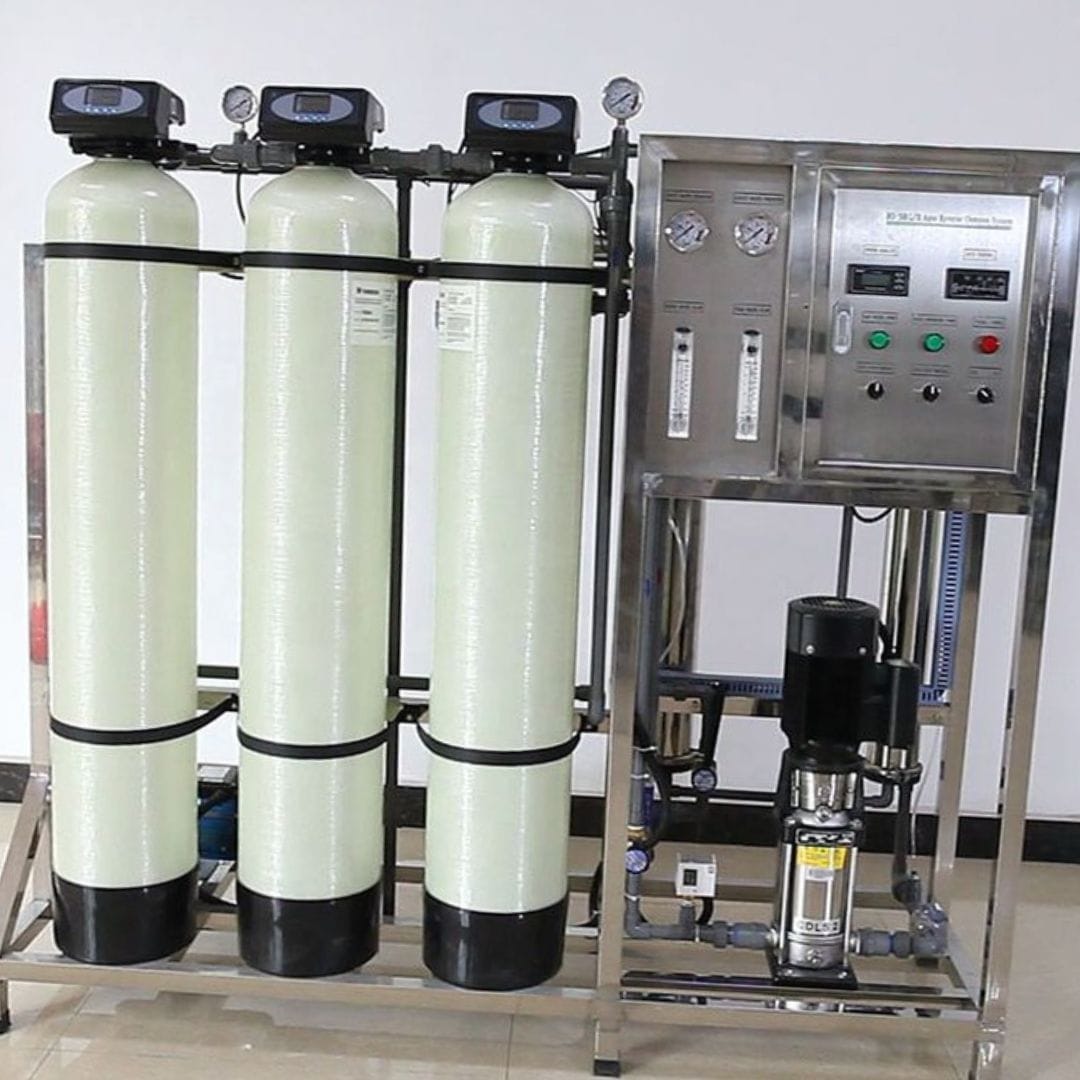
RO systems are the heart of most water refilling stations. They remove up to 99% of dissolved salts, bacteria, viruses, and contaminants, producing crisp, clean water that meets KEBS and WHO safety standards. At Axiom Water Technologies, we supply advanced RO systems with multi-stage filtration and low-waste technology. These systems are scalable, energy-efficient, and designed for long-term use in Kenyan conditions.

2000 LPH RO SYSTEM

2. UV Sterilizers for Disinfection

After filtration, water must be disinfected to eliminate any residual microorganisms. Ultraviolet sterilizers use UV-C light to neutralize bacteria and viruses without altering taste or adding chemicals. These systems ensure the water remains safe until it reaches the consumer’s bottle, a step we always emphasize in our water refilling business tips in Kenya.

3. Pre-Filters for Sediment and Chemical Removal

Before water enters the RO system, it should pass through sediment and activated carbon filters. These remove dirt, rust, chlorine, and other harmful chemicals that can damage the RO membranes or affect water taste. We configure pre-filtration systems based on source water quality, ensuring longer equipment life and reduced maintenance.

4. Food-Grade Storage Tanks

Safe storage is critical. Treated water must be kept in clean, sealed tanks made of food-grade materials such as HDPE or stainless steel. These tanks come in various capacities and should be properly ventilated and cleaned regularly. Our team helps clients select the right size and positioning to support consistent supply during high-demand periods.

5. Automated Bottle Washers and Filling Units

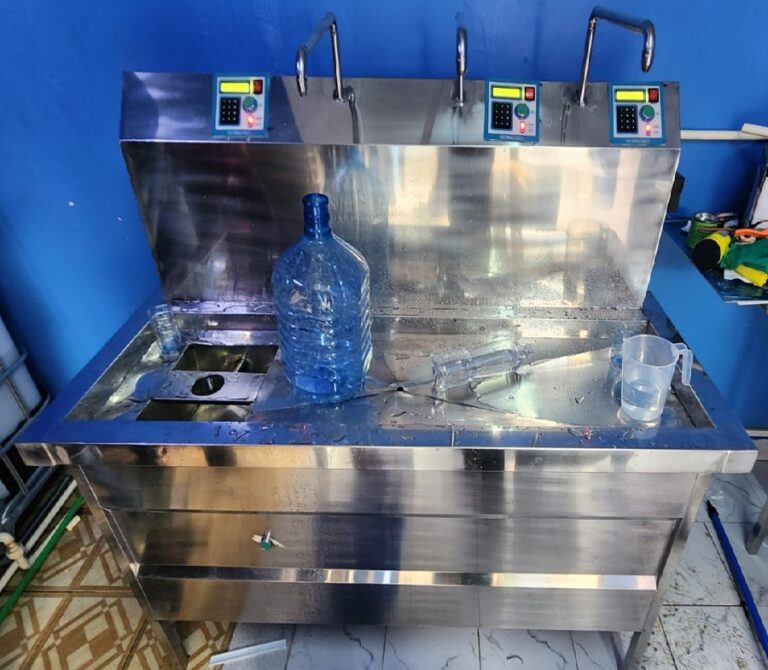
Speed and hygiene are vital to station efficiency. Automated washers clean reusable containers using high-pressure water jets and food-safe detergents. Paired with automated filling units, these machines allow for fast, precise service without manual contamination. Customers appreciate the professionalism, and your daily output improves significantly.

6. Capping Machines and Ozone Generators

Tamper-proof caps preserve water quality and reinforce consumer trust. Automatic capping machines seal bottles securely and efficiently. Additionally, ozone generators disinfect containers and ambient air within the filling room. Together, they add extra layers of safety and compliance, both essential components of any quality-focused water refilling business.

At Axiom Water Technologies, we supply, install, and maintain all the equipment above. Our solutions are engineered for real-life performance, allowing entrepreneurs to focus on growth and service delivery. If you’re exploring actionable water refilling business tips in Kenya, investing in the right equipment is the foundation of long-term success.

How to Choose the Right Location for Your Water Refilling Shop

Choosing a strategic location can make or break your business. Look for areas with:

  • Dense populations (residential estates, schools, offices)

  • High foot or vehicular traffic

  • Minimal nearby competition

  • Reliable access to water supply

We advise our clients to conduct local market research before leasing or buying property. Proximity to target customers and ease of access are vital factors that directly impact daily sales.

Step-by-Step Guide to Starting a Water Refilling Business in Kenya

Starting a compliant, efficient, and trustworthy water business requires detailed preparation. The step-by-step process includes:

  • Registering your business – Use the eCitizen portal to acquire your business name and license.

  • Securing health and environmental approvals – Public health departments and NEMA (if applicable) must inspect and approve your station.

  • Conducting water quality tests – Partner with accredited labs to assess your source water.

  • Installing treatment systems – Have professionals like Axiom Water Technologies design and install your purification units.

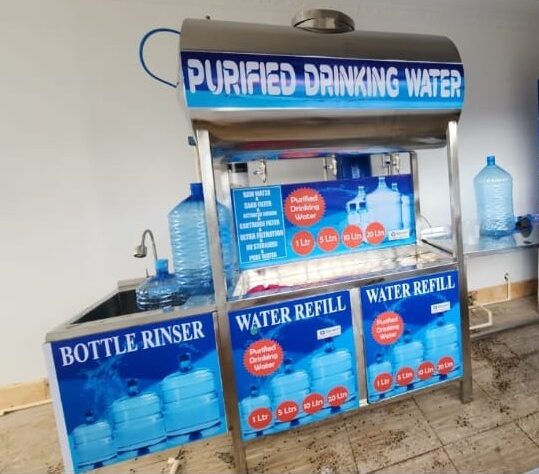
  • Branding your station – Visible signage, custom containers, and uniforms help build recognition.

  • Digital marketing – Open a Google Business Profile and advertise through local online platforms.

This process sets the foundation for smooth operations and long-term customer loyalty.

Costs of Starting a Water Refilling Business in Kenya – Full Breakdown

Startup costs vary depending on location, scale, and treatment system type. Below is a typical breakdown:

Item Estimated Cost (KES)
RO Purification System 150,000 – 500,000
UV Sterilizer 20,000 – 50,000
Storage Tanks & Plumbing 50,000 – 100,000
Bottle Washer & Sealing Machine 30,000 – 80,000
Premise Renovation & Setup 100,000 – 200,000
Business Permits & Licenses 20,000 – 40,000
Marketing & Branding Materials 20,000 – 50,000
Bottle Inventory & Consumables 50,000 – 100,000

Note:
The above figures are estimates and may vary depending on the scale of your operation, choice of equipment, location, and supplier. At Axiom Water Technologies, we provide customized quotations and consultation to help you build a water refilling business that matches your budget and goals.

Best Eco-Friendly Water Treatment Systems for Refilling Stations

Sustainability is no longer optional—it’s a competitive advantage. As more consumers in Kenya prioritize environmental responsibility, refilling stations that adopt green technologies gain trust, loyalty, and cost savings. Implementing eco-conscious solutions isn’t just about reducing environmental impact—it also improves long-term business efficiency. Below, we explore the most effective eco-friendly systems you should consider, based on proven water refilling business tips in Kenya:

1. Low-Waste Reverse Osmosis (RO) Systems

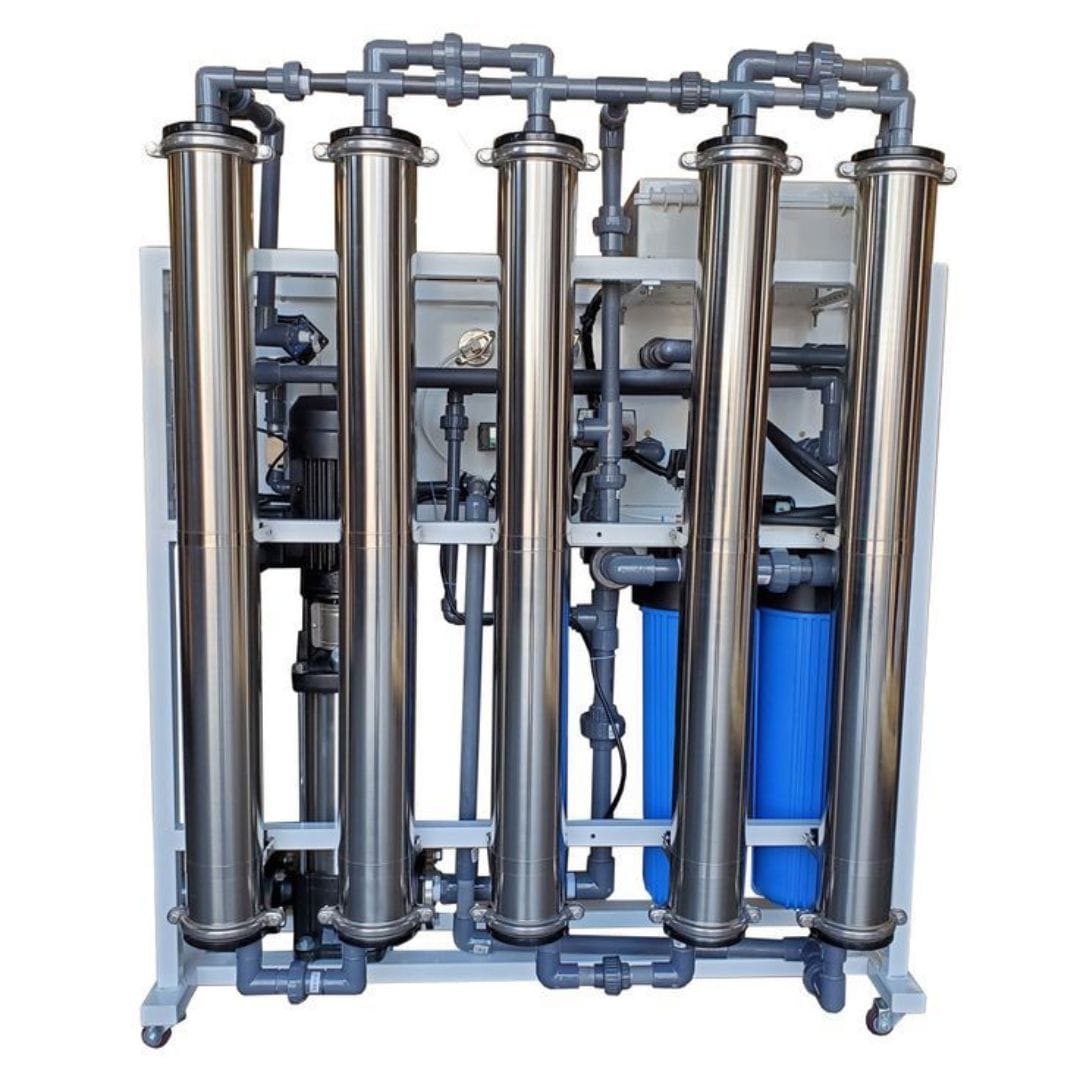
Traditional RO systems can waste up to 70% of the input water, making them less efficient and environmentally taxing. At Axiom Water Technologies, we supply next-generation RO units with water recovery rates of up to 75%. These systems use advanced membrane designs and flow regulators that significantly reduce reject water. For areas where water is scarce or expensive, this is a critical upgrade.

1500 LPH RO SYSTEM

2. Solar-Powered Water Filtration Units

Electricity costs are a major concern for most station owners. Installing a solar-powered treatment unit drastically reduces reliance on the grid and eliminates frequent downtimes due to blackouts. Our solar-compatible systems include solar inverters, panels, and backup batteries optimized for local weather conditions. This solution aligns with both sustainability goals and the practical realities of operating in power-challenged regions.

3. Ozone Sterilization Instead of Chemicals

Ozone is a natural disinfectant that leaves no residue in treated water, unlike chlorine-based agents. It effectively destroys bacteria, viruses, and biofilm in storage tanks and pipelines. By choosing ozone systems over chemical sterilants, your business avoids the health risks and chemical handling associated with traditional disinfection methods. This aligns with best practices outlined in modern water refilling business tips in Kenya.

4. Reusable Bottle Systems and Return Policies

Sustainable stations go beyond water treatment—they also promote environmentally friendly packaging. Implementing a bottle return and reuse policy reduces plastic waste and enhances your green brand image. We help our clients set up bottle exchange programs with cleaning protocols that meet health standards. Customers appreciate the savings and the environmental impact, boosting loyalty.

5. Rainwater Harvesting and Pre-Treatment Integration

In areas where rainfall is reliable, rainwater harvesting can supplement your water source. Our systems include first-flush diverters, leaf filters, and pre-treatment tanks to ensure collected rainwater meets purification standards. When integrated with RO systems, rainwater becomes a viable raw input that cuts water bills and enhances self-sufficiency.

How to Maintain Water Quality and Build Customer Trust

Maintaining trust means ensuring every bottle you deliver is consistently clean and safe. Essential Water Refilling Business Tips in Kenya for quality control include:

  • Performing weekly internal equipment sanitization

  • Running monthly lab tests on finished water

  • Keeping a clear filter replacement schedule

  • Ensuring all staff observe hygiene protocols

  • Logging customer complaints and acting on them promptly

Our maintenance support plans at Axiom Water Technologies help business owners stay compliant, avoid breakdowns, and build lasting customer relationships.

Marketing Your Water Refilling Business for Maximum Sales

Effective marketing drives consistent traffic. Strong strategies include:

  • Visible storefront signage – Use bright, branded visuals.

  • Loyalty and referral programs – Offer free bottles or discounts for return customers.

  • Bulk supply partnerships – Target institutions like schools, gyms, and offices.

  • Social media outreach – Post daily and run Facebook promotions.

With the right messaging and local promotions, your station can attract steady walk-in and delivery clients. We support our clients at Axiom Water Technologies with branding and digital marketing advice tailored to their neighborhoods.

Common Mistakes to Avoid When Running a Water Refilling Business

Many first-time owners unknowingly make choices that hinder their station’s growth. Some of the most common mistakes include:

  • Installing substandard filtration systems

  • Skipping scheduled maintenance and cleanings

  • Charging prices that don’t match the local market

  • Ignoring customer complaints or delays in service

  • Operating without lab testing or public health checks

Avoiding these pitfalls helps protect your brand’s reputation. At Axiom Water Technologies, we provide regular audits and operational training to help clients run sustainably and profitably.

FAQs – Starting and Running a Water Refilling Business in Kenya

As we conclude our expert insights, we want to address some of the most common questions entrepreneurs ask when planning their entry into this industry. These responses are based on real-world scenarios, practical experience, and the proven water refilling business tips in Kenya that we’ve shared with hundreds of successful station owners. Whether you’re planning your first outlet or preparing to scale, these FAQs offer clarity to help you make informed decisions:

1. How much profit can I make monthly?

Profitability depends on several factors, including location, pricing, operational costs, and customer volume. On average, a well-placed and well-managed water refilling station can generate between KES 40,000 and 150,000 in net monthly profit. Stations that offer delivery services, corporate supply, and added convenience tend to earn more. Based on our water refilling business tips in Kenya, reinvesting early profits into branding, equipment upgrades, or bulk bottle supply often accelerates growth and improves monthly returns.


2. Do I need a borehole to start a water refilling business?

No, a borehole is not mandatory. Many thriving stations operate using municipal water, community supply, or shallow wells—especially in towns and estates with piped water infrastructure. However, if you’re in a location with unreliable water or plan to run a high-volume plant, drilling a borehole can lower your long-term operating costs and reduce dependency on third-party sources. From our field-tested water refilling business tips in Kenya, what matters most is the quality and consistency of your input water—regardless of the source.


3. Can the system run on solar energy?

Absolutely. We offer solar-powered treatment systems at Axiom Water Technologies that allow your station to operate independently of the power grid. These systems reduce electricity bills, prevent downtime during blackouts, and are ideal for remote or rural locations. Installing solar also appeals to eco-conscious customers and aligns with sustainable water refilling business tips in Kenya. Whether you’re starting small or scaling, solar integration is a smart, long-term investment.


4. Where can I buy bottles and caps in bulk?

One of the most overlooked yet critical steps in setting up a station is sourcing reliable packaging materials. We connect our clients with trusted manufacturers and suppliers who offer durable, food-grade bottles in various sizes (10L, 20L, 25L), along with tamper-proof caps and labeling options. Many of these vendors offer bulk discounts and branding services, helping you save money and boost your shop’s visibility. As outlined in many water refilling business tips in Kenya, consistent packaging quality helps build trust and improves customer retention.


5. How often should I test the water?

We recommend water quality testing at least once a month through a certified lab. Regular testing ensures that your station complies with KEBS and Ministry of Health guidelines, especially if you’re sourcing water from non-municipal sources. Testing also protects your brand by guaranteeing safety, hygiene, and customer confidence. Incorporating routine lab analysis into your operational schedule is one of the best water refilling business tips in Kenya for long-term success.


6. Can I start small and scale later?

Yes, and it’s one of the most effective ways to manage risk and grow responsibly. Many entrepreneurs begin with a basic setup—serving walk-in customers only—and later expand to include delivery, branded bottles, or multiple stations. At Axiom Water Technologies, we guide clients through every phase of the journey. Scaling gradually while applying strategic water refilling business tips in Kenya allows you to improve operations while building a loyal customer base.

buy water purification systems in Kenya

Buy Water Refilling Business Equipment with Axiom Water Technologies Today

Are you ready to build a water business that lasts? At Axiom Water Technologies, we offer end-to-end solutions for new and existing water refilling stations. From eco-friendly systems to expert maintenance and marketing guidance, we are your trusted partner. For reliable advice and Water Refilling Business Tips in Kenya, contact us today and let’s bring your water business to life.

WhatsApp Us