KEBS Certified Water Vending Machines in Kenya
The Complete Guide to Buying KEBS Certified Water Vending Machines in Kenya
Starting a water refill business in Kenya offers high profit margins, but running a non-compliant station can lead to costly operational shutdowns and heavy fines. To operate legally and build long-term trust with consumers, business owners must invest in KEBS certified water vending machines. Kenya Bureau of Standards (KEBS) certification verifies that your equipment uses food-grade stainless steel piping, verified filtration media, and hygienic dispensing components. At Axiom Water Technologies, we design and manufacture complete water refill systems built specifically to meet these strict national safety standards.
What are KEBS Certified Water Vending Machines?
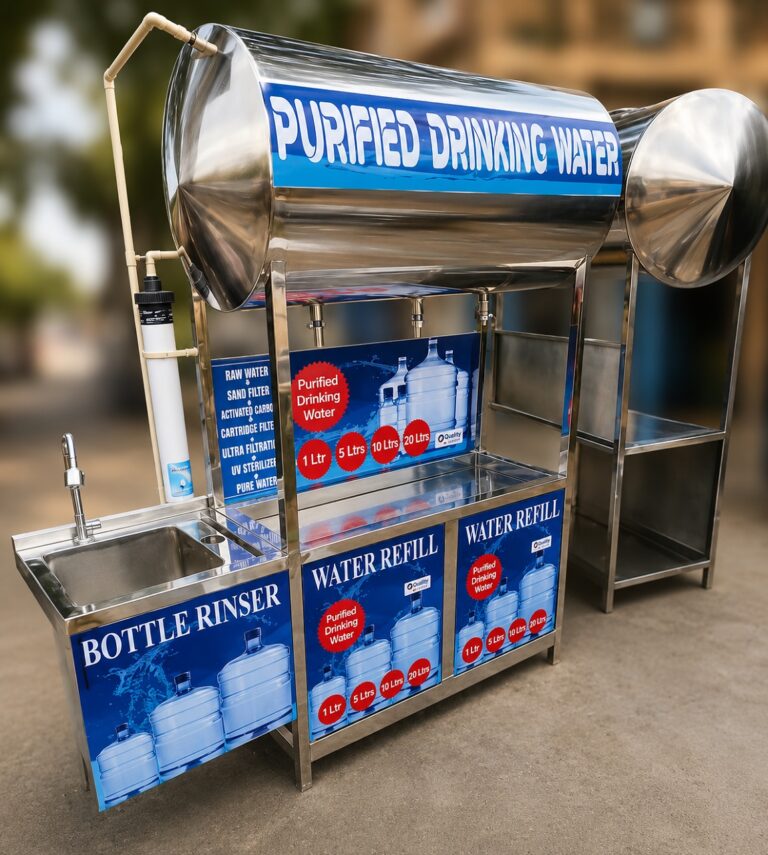
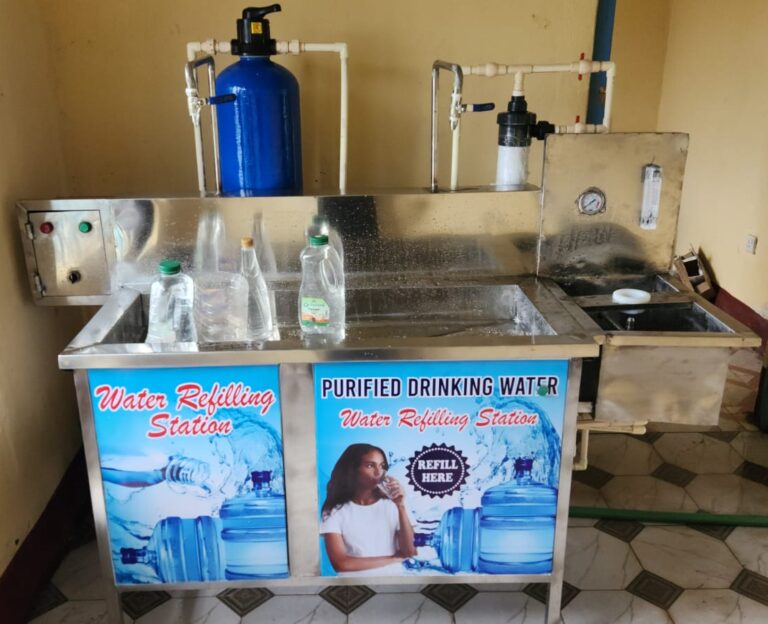
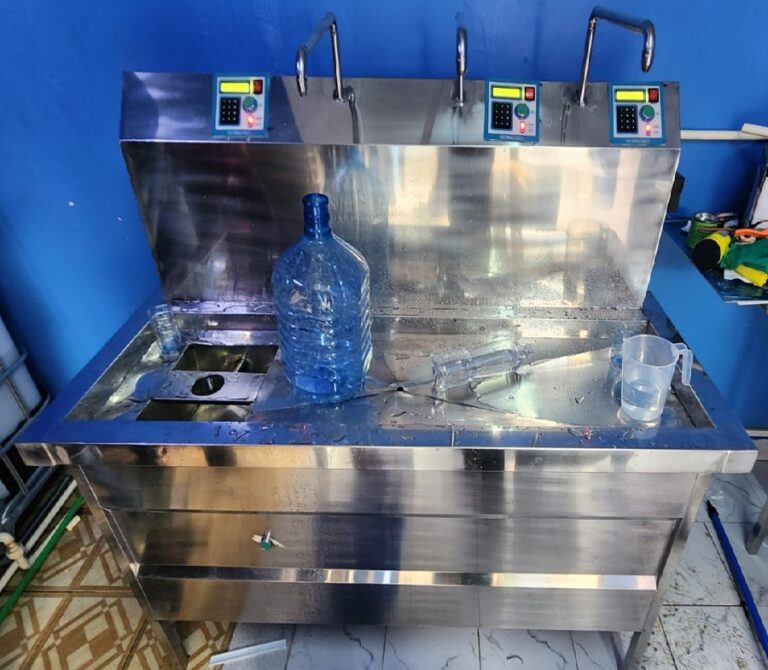
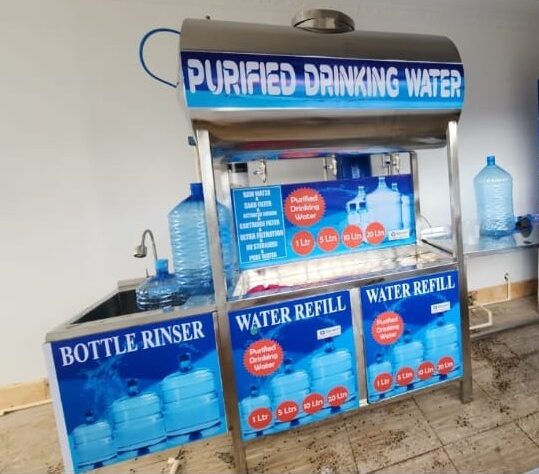
KEBS certified water vending machines are automated, food-grade water purification and dispensing systems that meet Kenya Bureau of Standards safety and quality benchmarks. These machines use medical-grade piping, multi-stage filtration, ultraviolet sterilization, and precise digital metering to purify raw water and dispense safe, clean drinking water to retail consumers.
Why KEBS Compliance Matters for Your Water Station Business
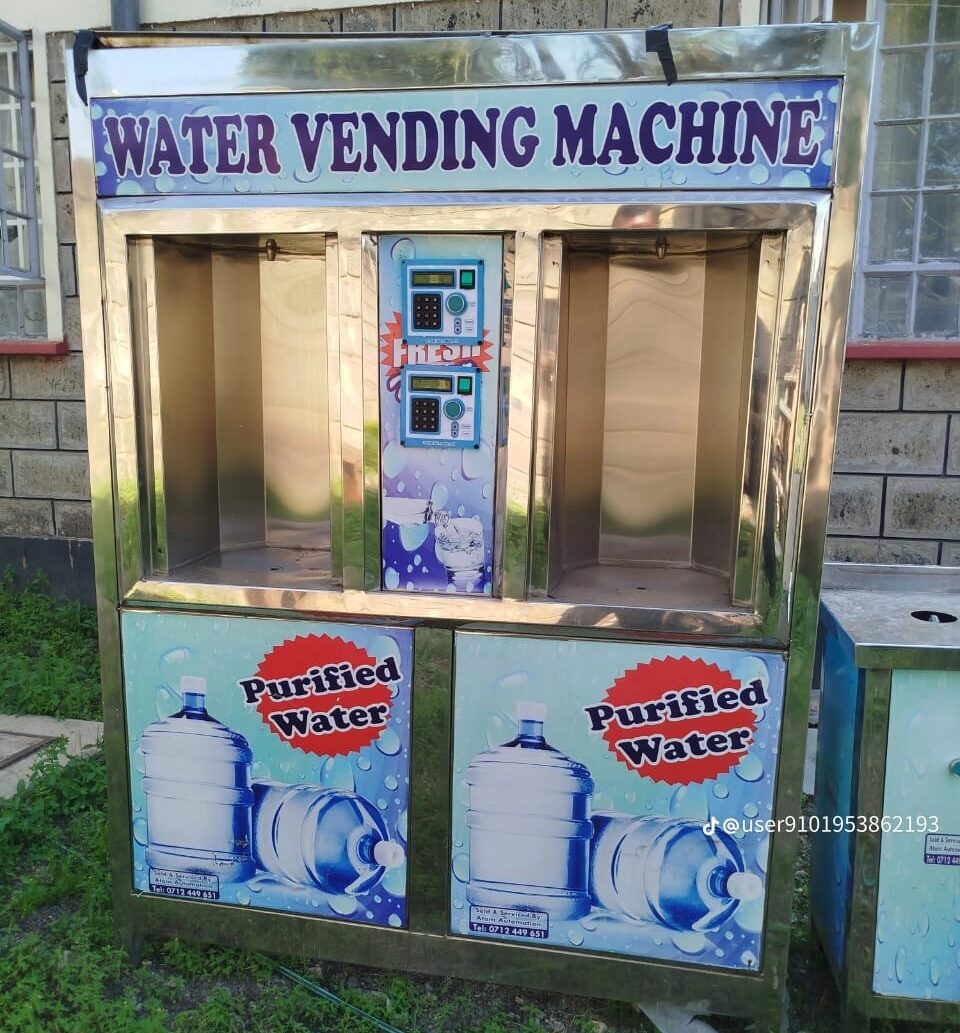 Setting up a commercial water station requires more than putting together a basic pump and a plastic tank. Regulatory agencies like KEBS and county public health departments actively inspect water refill stations across Kenya to enforce sanitation guidelines. Operating uncertified equipment puts your entire investment at risk.
Using certified equipment ensures that every liter of water dispensed meets national standards for microbiological safety, total dissolved solids (TDS) levels, and mineral content. Certified machines prevent heavy metal contamination and bacterial growth inside internal storage tanks, protecting your customers from waterborne illnesses.
From a commercial perspective, compliance builds immediate consumer trust. Displaying a verified certification mark on your shop front attracts quality-conscious buyers and allows you to supply purified water to local schools, offices, and restaurants.
Pro Tip: Always request a physical inspection of the internal component assembly before purchasing any water ATM. Legitimate manufacturers use food-grade 304 or 316 stainless steel pipes and fittings, whereas uncertified fabricators often hide cheap PVC plumbing behind attractive outer casings.
Key Features of the Best Water Vending Machines in Kenya
Selecting the best water vending machines in Kenya requires evaluating key technical features that impact daily operation, water quality, and revenue tracking. The table below outlines how certified, professional-grade machines compare to low-cost, uncertified alternatives commonly found in the local market.
| Feature / Component | Certified Water Vending Machines (Axiom) | Uncertified / Jua Kali Fabrications |
| Piping & Tubing | Food-Grade 304/316 Stainless Steel & NSF Tubing | Standard PVC / Industrial Grade Hosing |
| Sterilization Stage | High-Intensity UV Sterilizer + Reverse Osmosis | Basic Carbon Filter Only (No UV) |
| Logic & Control | Multi-Price PLC Controller with Calibration Settings | Uncalibrated Timer Relay Switch |
| Dispensing Accuracy | Flow Meter Sensor (Calibrated to the Milliliter) | Time-Based Estimation (Inaccurate) |
| Vending Logic | Coins, GSM/M-Pesa Automation, and Manual | Coin-Only or Manual Toggle Switches |
| Internal Storage | Sealed Food-Grade Stainless Steel / HDPE Tanks | Standard Commercial Plastic Drums |
When reviewing water ATMs to buy in Kenya, prioritize systems equipped with precise digital control boards. High-performance controllers allow you to adjust pricing per liter, track daily sales volumes, and prevent unauthorized free dispensing by employees.
Commercial Water Purification Methods Used in Vending Stations
Raw water sources in Kenya vary significantly depending on your location. Municipal tap water in Nairobi requires different treatment steps than high-TDS borehole water in Kitengela, Nakuru, or coastal regions. Choosing the right water dispensing machines for water stations depends directly on your raw water profile.
[Raw Water Feed] ➔ [Sediment Pre-Filters] ➔ [Activated Carbon Filter] ➔ [Reverse Osmosis Membrane] ➔ [UV Sterilizer] ➔ [Digital Water ATM Dispenser]
Primary filtration technologies include: 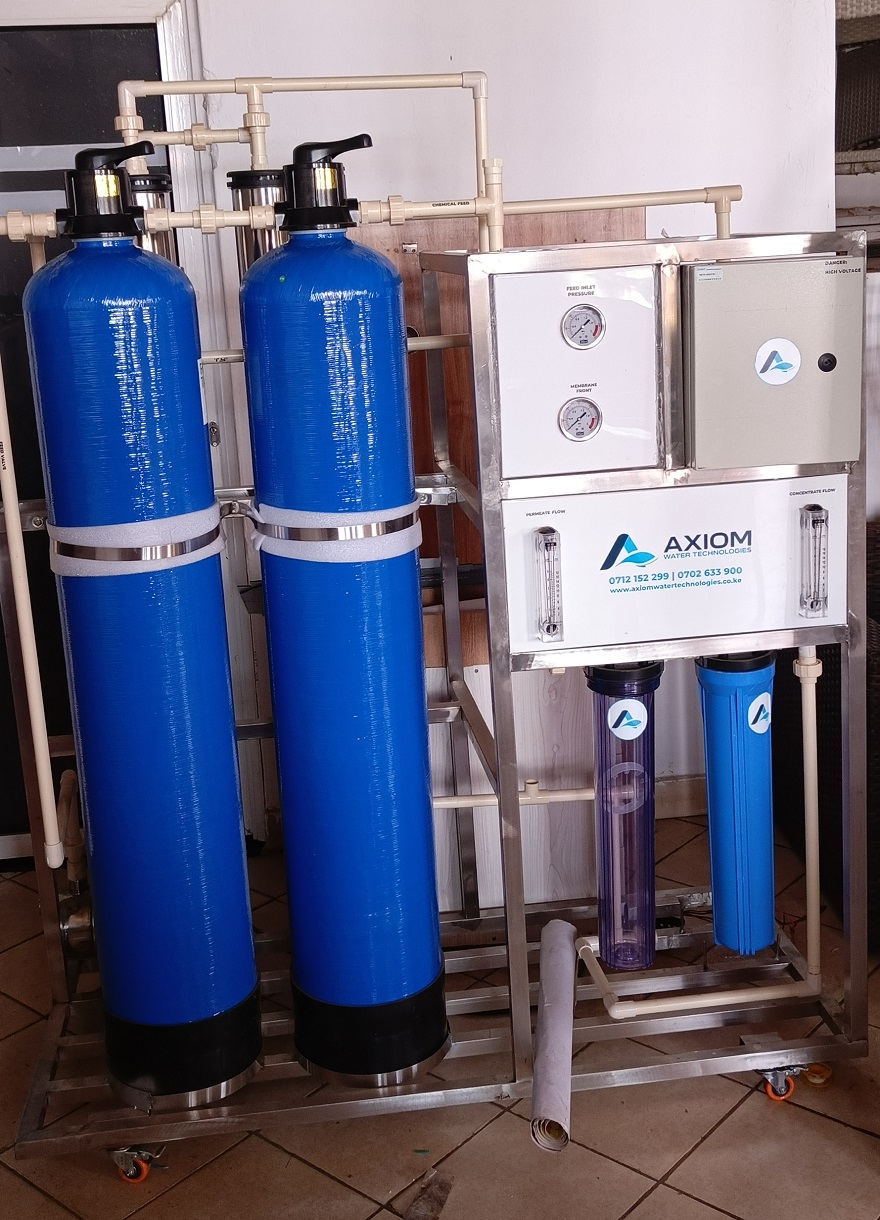
- Sediment & Carbon Filtration: Removes suspended solids, silt, rust, chlorine, and foul odors from municipal supply lines.
- Reverse Osmosis (RO): Uses semi-permeable membranes operating under high pressure to reduce high TDS levels, removing dissolved salts, fluorides, and heavy metals.
- Ultraviolet (UV) Disinfection: Kills 99.9% of bacteria, viruses, and amoebas without adding chemical tastes to the finished product.
Axiom Water Technologies builds tailored commercial setups that integrate pre-treatment, RO purification, and automated dispensing into a single operational workflow.
Pro Tip: Test your raw water source at a recognized laboratory for TDS, hardness, and microbial count before selecting your purification setup. Installing an RO unit on low-TDS water wastes electricity, while omitting RO on borehole water will ruin your equipment and fail quality audits.
Cost Breakdown: Investing in Water Station ATM Machines in Kenya
Understanding the capital requirements for setting up a water business helps you plan your budget accurately without facing unexpected hidden costs during installation.
Machine Price Ranges in Kenya
- Basic Water ATM Dispensers (Dispensing Only): KSh 75,000 to KSh 140,000. Ideal for stations using pre-purified bulk water deliveries.
- Medium-Capacity Purification & Vending Units (250 – 500 Liters/Hour): KSh 250,000 to KSh 450,000. Suitable for urban residential areas using city water lines.
- Commercial Borehole RO Purification Stations (500 – 1,500+ Liters/Hour): KSh 550,000 to KSh 1,200,000+. Designed for heavy commercial applications and high-TDS borehole water.
Additional Cost Factors
Beyond purchasing water station ATM machines, factor in site preparation, basic plumbing extensions, electrical protection (like surge protectors and voltage stabilizers), initial branding, and licensing fees from county authorities. Investing in higher-grade stainless steel filtration vessels increases initial capital expenditure slightly, but drastically reduces long-term maintenance costs and filter replacement frequency.
Common Mistakes to Avoid When Buying Water Vending Machines
Navigating the local equipment market requires caution, as many suppliers sell imported or assembled units that fail to withstand local operating conditions.
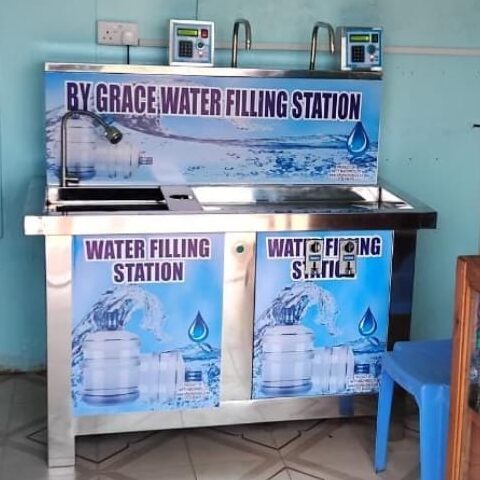
- Choosing Price Over Build Quality: Purchasing cheap, non-certified machines leads to frequent pump failures, leaky solenoid valves, and uncalibrated coin meters that lose money on every sale.
- Ignoring Local Spare Parts Availability: Many foreign-imported water ATMs use non-standard control boards and proprietary filter housings. When a part breaks, your business stalls for weeks while waiting for imported spares.
- Failing to Match Filtration to Water Source: Installing a standard filtration system on high-salinity borehole water leads to rapid filter clogging, poor-tasting water, and immediate customer complaints.
- Overlooking System Sanitary Design: Unsealed storage tanks and sub-standard plastic pipes allow algae and bacteria to colonize the inside of the machine, causing your business to fail routine health inspections.
Pro Tip: Ensure your equipment vendor offers local technical support, readily available consumables, and a clear written warranty. A reliable local manufacturer can dispatch technicians quickly, keeping your downtime to a minimum.
Why Axiom Water Technologies Makes The Best Water ATMs in Kenya for Water Station Business Success
Building a profitable water enterprise depends on equipment durability, accurate dispensing, and continuous technical support. Axiom Water Technologies has earned a solid reputation as one of Kenya’s premier fabricators of complete, certified water refill equipment.
We assemble every machine using heavy-duty, food-grade materials engineered specifically for East African water conditions. Our integrated systems feature tamper-proof digital controllers, seamless M-Pesa automated payment options, high-efficiency RO membranes, and long-lasting pumps. When you work with us, you receive a turnkey solution, from initial water testing and equipment sizing to professional site installation and operator training.
By selecting robust, certified machinery from a trusted local manufacturer, you protect your capital investment, comply fully with health regulations, and deliver clean, safe water to your community.
Start Your Commercial Water Business Today 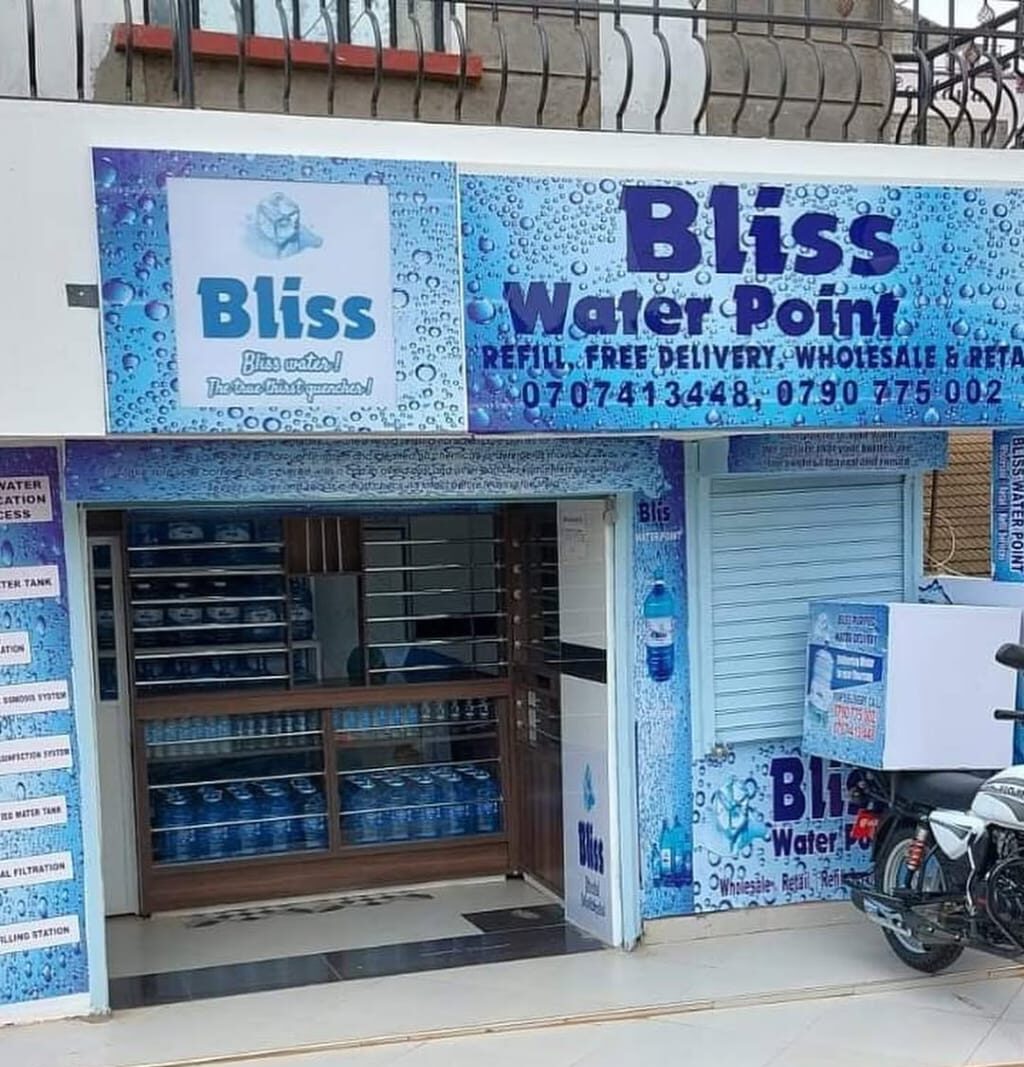
Are you planning to launch a profitable water refill shop or upgrade your existing water station with KEBS certified water vending machines? Axiom Water Technologies manufactures high-performance, energy-efficient water vending machines and purification systems in Kenya, engineered for maximum reliability and exceptional ROI. Contact our technical team today to request a custom quotation, schedule a live machinery demonstration, or receive expert advice on selecting the right equipment for your location.
Get in Touch with Our Experts
- Call / WhatsApp: +254702633900
- Email: info@axiomwatertechnologies.co.ke
- Factory & Showroom Location: Toll Station Near Kimbo-Ruiru, Thika Superhighway, Kenya
- Operating Hours: Monday to Friday, 8:00 AM – 6:00 PM
- Online Inquiry: Fill out the contact form on our website or drop your question in the comment section below to speak with an engineer immediately.
Frequently Asked Questions About Our KEBS Certified Water Vending Machines
- What makes a water vending machine KEBS certified in Kenya?
A water vending machine earns certification when its design, water-contact materials, and purification performance meet Kenya Bureau of Standards guidelines. This requires using food-grade stainless steel piping, verified UV sterilization, safe electrical wiring, and effective multi-stage filtration that produces safe drinking water. - How much does it cost to set up a complete water vending station in Kenya?
A complete water station setup costs between KSh 180,000 and KSh 1,200,000 depending on your capacity and raw water source. Basic municipal water stations require less filtration and cost less, while commercial borehole systems using heavy-duty reverse osmosis fall into the higher price range. - Can I connect a water ATM directly to borehole water?
Yes, you can connect a water ATM to borehole water, provided you install a Reverse Osmosis (RO) purification plant ahead of the dispensing unit. Borehole water typically contains high mineral levels, fluorides, and dissolved solids that must be treated before the water is dispensed to consumers. - How does an automated M-Pesa water vending machine work?
An automated M-Pesa water vending machine uses an integrated GSM control board linked to a cellular SIM card. The customer inputs their desired amount, pays via an M-Pesa Paybill or Till Number, and the controller instantly verifies the transaction and signals the flow meter to dispense the exact volume of water. - Which system is better: coin-operated water ATMs or M-Pesa water ATMs?
M-Pesa water ATMs are generally superior for urban Kenyan markets because they reduce physical cash handling, prevent coin box tampering, and allow business owners to track sales remotely in real time. However, hybrid machines supporting both coins and mobile money offer the greatest convenience for customers. - How often should water vending machine filters be replaced?
Polypropylene sediment filters should be replaced every 1 to 3 months, while activated carbon block filters last between 3 and 6 months depending on usage volume. Reverse Osmosis membranes typically last 12 to 24 months if pre-filters are maintained correctly and backwashed on schedule.