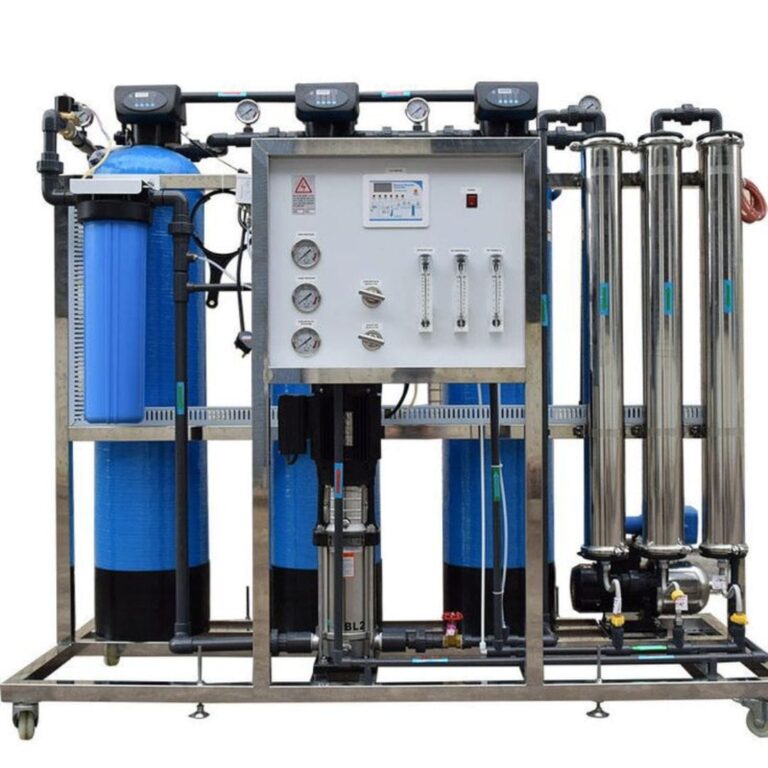
Borehole water filtration systems

Access to safe, clean water is a necessity—yet in many parts of Kenya, untreated borehole water presents challenges that compromise health, infrastructure, and peace of mind. At Axiom Water Technologies, we understand these challenges firsthand. That’s why we offer borehole water filtration systems in Kenya that are engineered for real-life performance and designed to empower users through active use and measurable results. Whether you’re a homeowner, a farm owner, or an industrial facility, our filtration solutions help you make smarter water decisions every day.

buy water purification systems in Kenya

What Are Borehole Water Filtration Systems and How Do They Work?

Borehole water is a valuable source of water for many homes, institutions, farms, and industries in Kenya. However, raw borehole water often contains contaminants that can compromise health, stain surfaces, and damage equipment. To solve these challenges, we provide robust filtration solutions designed for long-term safety and performance. Below is a breakdown of what borehole water filtration systems are and how they work, explained in three clear steps:

1. Understanding Borehole Water Sources

Boreholes access groundwater stored deep beneath the earth’s surface. This water moves through soil and rock layers, which often dissolve minerals and trap impurities along the way. As a result, borehole water usually contains:

  • Heavy metals like iron and manganese

  • Chemical contaminants such as fluoride and nitrates

  • Sediments including sand, silt, and clay

  • Pathogenic microorganisms like E. coli and Salmonella

These contaminants vary by location, making water testing essential before choosing a filtration system. At Axiom Water Technologies, we analyze your water before any installation to ensure the solution addresses your specific water quality concerns.

2. Core Filtration Stages

To make borehole water safe and usable, the filtration system must use a multi-stage approach that targets different types of contaminants. The main stages include:

  • Sediment Filtration: Removes visible particles like sand, rust, and dirt that can block plumbing and stain fixtures.

  • Activated Carbon Filtration: Eliminates organic matter, chlorine, and odors, improving water taste and smell.

  • Iron and Manganese Removal: Specialized media like Birm or Greensand effectively eliminate metallic tastes and discoloration.

  • Water Softening: Ion-exchange resin removes calcium and magnesium, preventing scale buildup in appliances and piping.

  • Disinfection (Optional): UV sterilization or chlorination kills bacteria, viruses, and other harmful microorganisms for total water safety.

We combine these components based on your borehole’s contamination profile, ensuring the system performs effectively and reliably.

3. Flow Process and System Operation

The borehole pump pushes water through the filtration system before storing it in a tank or distributing it for use. Here’s how the process works:

  1. Intake and Pre-filtration: Water enters through a sediment filter to remove large particles.

  2. Main Treatment: Water flows through various media filters targeting metals, hardness, or chemicals.

  3. Disinfection (if included): UV light or a chemical dose neutralizes pathogens.

  4. Storage and Distribution: Treated water is stored in a clean tank, ready for household or commercial use.

Each unit is automated for efficiency, and we provide controller systems that handle backwash, pressure adjustments, and flow monitoring. Our systems are engineered for long-term performance and easy servicing, with minimal manual intervention required.

Why Borehole Water Needs Filtration in Kenya

Many Kenyans rely on boreholes as their primary water source, believing that groundwater is naturally clean. However, clear water doesn’t always mean safe water. Across different regions of Kenya, we’ve encountered several harmful contaminants that make filtration not just important—but necessary. Below, we outline the most pressing reasons why borehole water must be filtered before use:

1. Regional Contaminants Pose Health Risks

Depending on your location, borehole water may contain elevated levels of harmful substances:

  • Fluoride: In Rift Valley regions like Nakuru and Baringo, fluoride levels often exceed WHO guidelines, leading to dental and skeletal fluorosis.

  • Iron and Manganese: Central Kenya frequently records high levels of these metals, which give water a metallic taste, stain clothes and fixtures, and may affect organ function if consumed over time.

  • Bacteria and Parasites: In coastal regions and high water table zones, borehole water may be contaminated by nearby septic tanks or surface runoff, introducing pathogens like E. coli.

These health risks make filtration a vital first step in ensuring safe daily consumption.

2. Protecting Plumbing and Equipment

Unfiltered borehole water can corrode pipes, clog shower heads, and damage electric water heaters. Minerals such as calcium and magnesium cause limescale buildup, while iron and sediment may block or damage valves, taps, and storage tanks. Regular exposure to such water shortens the lifespan of expensive plumbing systems and water appliances. Our filtration systems prevent these issues by removing scaling minerals, iron deposits, and abrasive particles before they enter your infrastructure.

3. Meeting Regulatory and Quality Standards

Kenya’s public health authorities and global bodies like WHO recommend strict limits on fluoride, turbidity, bacterial count, and heavy metal content in drinking water. Whether you’re running a school, clinic, factory, or residential home, untreated borehole water could fail to meet these safety standards. Borehole water filtration helps ensure that the water you use is fully compliant, giving you peace of mind and regulatory protection.

Types of Borehole Water Filtration Systems Available

Different contaminants require different treatment methods. That’s why we provide various borehole water filtration systems in Kenya—each tailored to specific regional challenges and use cases. Whether your water is contaminated with particles, heavy metals, microorganisms, or all of the above, there’s a specialized solution to match your needs. Below are the most common types of filtration systems we supply and install:

1. Sediment Filtration Units

These systems are the first line of defense in any borehole filtration setup. They remove visible particles such as:

  • Sand

  • Silt

  • Rust

  • Clay

These particles not only make water appear dirty but can also damage appliances and clog distribution lines. Sediment filters ensure clean, particle-free water before it enters the main treatment stages.

2. Activated Carbon Filters

Activated carbon units are designed to:

  • Remove unpleasant odors and tastes

  • Eliminate organic matter

  • Neutralize chlorine and volatile chemicals

These filters are especially effective in boreholes near agricultural areas where water may pick up organic residues or chemical traces. They also enhance the overall flavor of drinking water, making it more palatable.

3. Iron and Manganese Removal Systems

Some boreholes—particularly in central Kenya—contain high levels of iron and manganese. These metals:

  • Cause reddish-brown or black staining on sinks and laundry

  • Give water a metallic taste

  • Accumulate in plumbing, reducing flow efficiency

We use media like Greensand Plus or Birm to remove these metals effectively without the need for chemical dosing.

4. Reverse Osmosis (RO) Systems

RO systems offer advanced purification by forcing water through a semi-permeable membrane that traps:

  • Fluoride

  • Nitrates

  • Arsenic

  • Heavy metals

  • Salts and dissolved solids

They are ideal for areas with extremely contaminated borehole water or where ultra-pure water is needed for sensitive processes, such as in hospitals or food production.

5. UV Sterilization Units

Boreholes in high-risk bacterial zones—such as coastal or flood-prone regions—benefit from UV systems. These units:

  • Destroy bacteria, viruses, and protozoa

  • Provide non-chemical disinfection

  • Require minimal maintenance

UV filtration ensures microbiologically safe water, especially when paired with other filtration stages.

Each of these systems is engineered and installed by our technical team at Axiom Water Technologies to match your location’s water chemistry and consumption needs. We guide you through selection, installation, and maintenance to ensure long-term performance and water safety.

Key Components of Effective Borehole Water Filtration Systems

The efficiency of borehole water filtration systems in Kenya depends not only on the type of system selected but also on the quality and configuration of its components. A properly engineered system includes several integrated parts that work together to remove contaminants, protect your infrastructure, and deliver safe, usable water. At Axiom Water Technologies, we ensure every installation includes the essential elements required for high performance and long-term reliability:

1. Pre-Treatment Units

Pre-treatment is the first step in most borehole water filtration systems in Kenya. These units remove:

  • Coarse sediments such as sand and gravel

  • Rust particles from metallic pipes

  • Organic debris from runoff

By handling larger impurities upfront, pre-treatment units protect the main filtration media from clogging or premature wear. This stage also improves overall system efficiency and reduces maintenance frequency.

2. Main Filtration Media

This is the heart of borehole water filtration systems in Kenya. The choice of filtration media depends on the water’s chemical and physical makeup. Common options include:

  • Quartz Sand: For basic particulate filtration

  • Activated Carbon: For removing chlorine, odor, and organic matter

  • Zeolite: For ammonia and heavy metal reduction

  • Ion Exchange Resin: For softening hard water by removing calcium and magnesium

We select and layer these media types based on lab-tested results of your borehole water.

3. Pressure Regulation Mechanisms

Maintaining consistent water pressure is crucial for effective operation. Borehole water filtration systems in Kenya include:

  • Pressure reducing valves to prevent system strain

  • Pressure gauges for monitoring performance

  • Check valves to prevent backflow contamination

These controls extend the lifespan of filters and pumps and ensure stable water delivery, especially in variable demand environments.

4. Automatic Backwash Valves

Filtration media accumulates trapped particles over time. To restore their performance, borehole water filtration systems in Kenya rely on backwashing. Automatic valves:

  • Flush out accumulated sediments without manual intervention

  • Keep filters operating at peak efficiency

  • Reduce the risk of clogging and system failure

We install programmable backwash valves that clean the system on a set schedule, reducing downtime and improving reliability.

5. Final Disinfection Stage

Even after filtration, borehole water may still carry microorganisms. For complete protection, borehole water filtration systems in Kenya often include:

  • UV Sterilizers: Kill bacteria and viruses using ultraviolet light

  • Chlorination Units: Dose the water with a controlled amount of chlorine for extended disinfection

This final step is especially important for systems supplying drinking water to homes, schools, hospitals, and commercial buildings.

Benefits of Installing Borehole Water Filtration Systems

Installing borehole water filtration systems in Kenya offers a comprehensive range of benefits that impact health, operations, compliance, and sustainability. Whether you’re managing a household, business, school, or industrial site, these systems deliver long-term value beyond basic water treatment. Below are six key advantages of making this investment:

1. Health Protection for Users

Borehole water often carries invisible threats such as fluoride, bacteria, nitrates, and other harmful elements. Without proper treatment, these contaminants can cause serious health problems including dental fluorosis, gastrointestinal infections, and developmental issues in children. Borehole water filtration systems in Kenya safeguard your water supply, providing clean, safe water for drinking, cooking, and sanitation.

2. Extended Lifespan of Infrastructure

Untreated borehole water can lead to limescale buildup, pipe corrosion, and stained fittings. Over time, this increases maintenance costs and shortens the lifespan of plumbing systems, geysers, water tanks, and appliances. By removing hardness minerals, metals, and sediments, borehole water filtration systems in Kenya protect your investment in infrastructure and reduce the need for frequent repairs.

3. Significant Cost Savings

Households and institutions often rely on bottled water or external water delivery when borehole water is unsafe. These alternatives are expensive in the long run. Borehole water filtration systems in Kenya offer a reliable, low-cost alternative by delivering safe water directly from your own source—eliminating the ongoing expense of substitutes and emergency repairs.

4. Improved Water Taste and Odor

Iron, sulfur, and decaying organic matter can make untreated borehole water unpleasant to drink or use. Filtration improves taste, removes odors, and ensures that water is visually clear and appealing. This is especially important in commercial environments such as restaurants, schools, or offices where water quality reflects service standards.

5. Compliance with Water Quality Standards

Institutions and businesses must comply with regulatory standards from NEMA, WHO, and public health departments. Borehole water filtration systems in Kenya are essential for meeting required benchmarks for fluoride, turbidity, microbiological content, and overall water safety. This ensures you stay compliant and avoid legal or operational disruptions.

6. Support for Environmental Sustainability

Using borehole water reduces pressure on municipal water supplies, and filtration ensures that this alternative source is safe and dependable. Borehole water filtration systems in Kenya promote environmental sustainability by reducing the need for treated piped water, cutting down plastic waste from bottled water, and encouraging the responsible use of natural resources.

How to Choose the Right Borehole Water Filtration System for Your Needs

With so many borehole water filtration systems in Kenya available today, selecting the right one for your situation can feel overwhelming. The effectiveness of any filtration system depends on how well it matches the specific chemical, physical, and microbial profile of your borehole water. At Axiom Water Technologies, we follow a structured process that ensures you receive a system built for your needs, environment, and long-term goals:

1. Conduct a Comprehensive Water Quality Test

The first and most crucial step is analyzing your borehole water. This involves:

  • Testing for fluoride, iron, manganese, nitrates, bacteria, and hardness

  • Identifying any unusual colors, tastes, or odors

  • Measuring turbidity and pH levels

This detailed profile guides the selection of filtration media, system size, and disinfection methods. Without this data, it’s impossible to design a reliable system.

2. Assess Daily Water Consumption

The right system must handle your water demand consistently. Whether you’re running a household, a poultry farm, or a hotel, your daily usage determines:

  • Tank capacity

  • Filtration flow rate

  • Backwash frequency

  • Pump strength

Borehole water filtration systems in Kenya need to be properly sized to avoid inefficiencies, short cycling, or system overload.

3. Define Your Usage Purpose

The type of filtration varies based on how the water will be used. We always ask:

  • Is the water for drinking, domestic use, or irrigation?

  • Will the system serve residential, commercial, or industrial purposes?

  • Does the water need high-purity treatment (e.g., food processing or medical use)?

For example, a drinking water system may require reverse osmosis and UV, while irrigation might only need sediment and iron removal.

4. Evaluate Power and Pumping Capacity

Many borehole water filtration systems in Kenya rely on electricity for pumps, backwash valves, and UV disinfection. We examine:

  • The stability of your power supply

  • Whether solar alternatives are needed

  • Compatibility with existing borehole pumps

We design energy-efficient systems that fit your environment—whether it’s an urban compound or an off-grid farm.

5. Check Available Space and Infrastructure

Space constraints affect system layout. We check:

  • Whether you have room for vertical tanks or horizontal filters

  • Accessibility for maintenance and servicing

  • Plumbing readiness for system integration

Where space is limited, we recommend compact, wall-mounted, or modular systems that don’t compromise on performance.

Once we’ve gathered all this information, we provide a tailored solution built around your goals. Our borehole water filtration systems in Kenya are scalable, easy to maintain, and future-proof—ensuring clean, reliable water for years to come.

Borehole Water Filtration vs. Other Water Purification Methods

While borehole water filtration systems in Kenya are designed for groundwater, other methods such as UV treatment or chlorine dosing are typically better for municipal or harvested rainwater. Filtration provides a mechanical and chemical barrier, while purification often focuses on biological contaminants alone. For borehole use, combining filtration with final disinfection ensures complete protection.

Installation and Maintenance of Borehole Water Filtration Systems

We provide end-to-end support at Axiom Water Technologies. Installation includes:

  • Piping layout and valve design

  • Media and tank assembly

  • System integration with pumps and tanks

  • Post-installation testing

Maintenance involves:

  • Routine backwashing

  • Media replacement (annually or bi-annually)

  • Sanitization of tanks and pipes

  • Performance checks every 6 months

Our support team provides on-site and remote assistance to ensure smooth operations.

Common Contaminants Removed by Borehole Water Filtration Systems

Here are some typical contaminants our systems remove in Kenya:

  • Iron and Manganese – Eliminate metallic taste and reddish-brown staining

  • Fluoride – Especially from Rift Valley boreholes

  • Nitrates and Nitrites – Harmful to children and pregnant women

  • Microorganisms – E. coli, Salmonella, and other pathogens

  • Hardness Minerals – Calcium and magnesium that scale pipes and heaters

  • Sediments and Suspended Solids

We adapt the filtration stages based on your borehole’s unique characteristics.

Cost of Borehole Water Filtration Systems in Kenya

The cost of borehole water filtration systems in Kenya depends on several factors, including the level of contamination in your water, the volume of daily consumption, and whether you need domestic, commercial, or industrial capacity. At Axiom Water Technologies, we do not offer one-size-fits-all pricing. Instead, we assess each project to provide accurate, value-driven quotations that align with your needs and budget.

Below is a general pricing breakdown to guide your expectations:

Summary Table: Cost of Borehole Water Filtration Systems in Kenya

System TypeEstimated Cost Range (KES)Notes
Domestic Systems85,000 – 150,000Suitable for households; includes basic filtration and UV options
Commercial Systems180,000 – 350,000Ideal for schools, hotels, farms; tailored to higher daily water use
Industrial/RO Systems400,000 – 1,200,000+Multi-stage, high-capacity systems for factories and institutions
Installation CostsIncluded in the aboveCovers system setup and configuration
Borehole Drilling (if needed)Not IncludedPricing varies separately based on depth, geology, and pump requirements
Custom QuoteHighly RecommendedFinal cost depends on actual water quality and specific project needs

Where to Buy Reliable Borehole Water Filtration Systems in Kenya

When sourcing dependable borehole water filtration systems in Kenya, Axiom Water Technologies stands out as a trusted provider. We serve Nairobi, Mombasa, Kisumu, Eldoret, Nakuru, and all major towns with systems tailored to Kenya’s unique water challenges.

Why Choose Axiom Water Technologies:

  • Certified Quality – All components are globally certified and engineered for reliability.

  • Nationwide Coverage – We supply and install systems across Kenya, from urban to rural locations.

  • Comprehensive Services – We handle water testing, delivery, installation, and after-sale support.

  • Tailored Solutions – We offer domestic, commercial, and industrial systems based on actual water analysis.

  • Stock Availability – Our warehouses are fully stocked for timely delivery and installation.

  • Professional Support – Our technicians provide expert guidance every step of the way.

With Axiom Water Technologies, you’re not just buying a filtration system — you’re investing in safe, sustainable water for years to come.

Mistakes to Avoid When Installing Borehole Water Filtration Systems

Installing a borehole filtration system without proper guidance can lead to:

  • Over- or under-sizing the system

  • Skipping a water analysis

  • Installing the wrong media type

  • Incorrect system placement

  • Neglecting backwash frequency

Our technicians help you avoid these mistakes by offering a consultative and transparent approach from day one.

Frequently Asked Questions About Borehole Water Filtration Systems

Understanding how borehole water filtration systems in Kenya work — and what to expect — helps you make informed decisions. Below are answers to the most common questions our clients ask before installing a system:

 1. Do I need a filtration system if the water looks clean?

Yes. Even clear borehole water may contain invisible contaminants such as fluoride, arsenic, or harmful bacteria. That’s why borehole water filtration systems in Kenya are essential for health and safety.

 2. How long do filtration systems last?

Most borehole water filtration systems in Kenya can last 10–15 years when properly maintained. Some filter media components may require replacement every 3–5 years depending on water quality.

3. Can one system serve an entire household or factory?

Yes. We offer borehole water filtration systems in Kenya for both residential and industrial applications. From point-of-entry units for homes to large-scale setups for manufacturing plants, our systems are tailored to capacity.

 4. How often should the system be serviced?

Service is typically required every 6 to 12 months. The frequency may vary based on daily water usage and the type of contaminants filtered by your borehole water filtration system in Kenya.

 5. Can I expand the system later?

Absolutely. All our borehole water filtration systems in Kenya are modular and designed for scalability, meaning you can easily upgrade or expand as your water demand increases.

buy water purification systems in Kenya

Buy Borehole Water Filtration Systems with Axiom Water Technologies Today

We help households, farms, and industries gain full control over their water supply with reliable borehole water filtration systems in Kenya. Our systems are designed for durability, efficiency, and measurable results in real-world conditions. Let’s help you eliminate water risks, reduce operational costs, and meet compliance standards.
Get started with your custom borehole filtration solution today.

WhatsApp Us