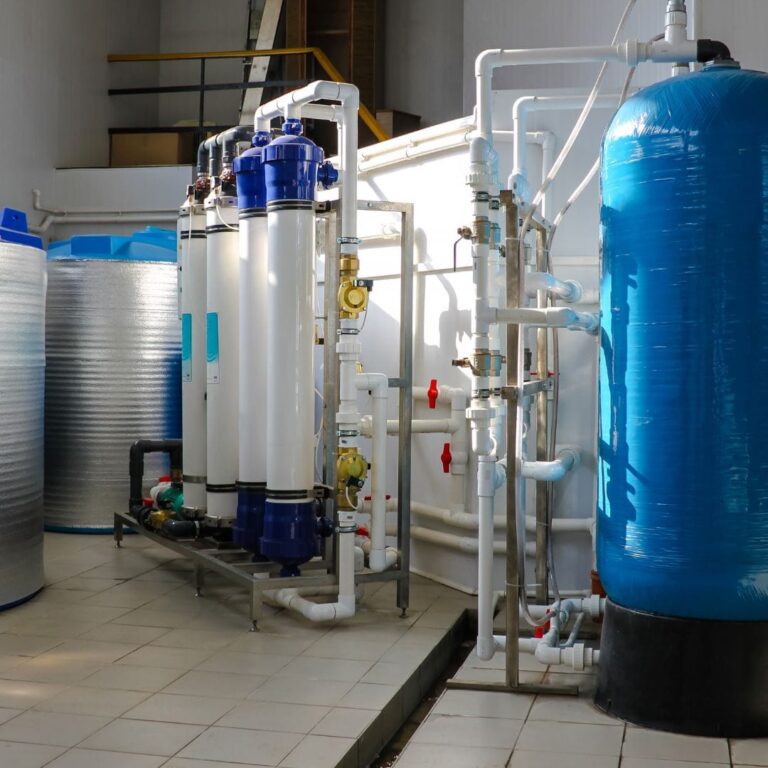
Water Purification Technologies

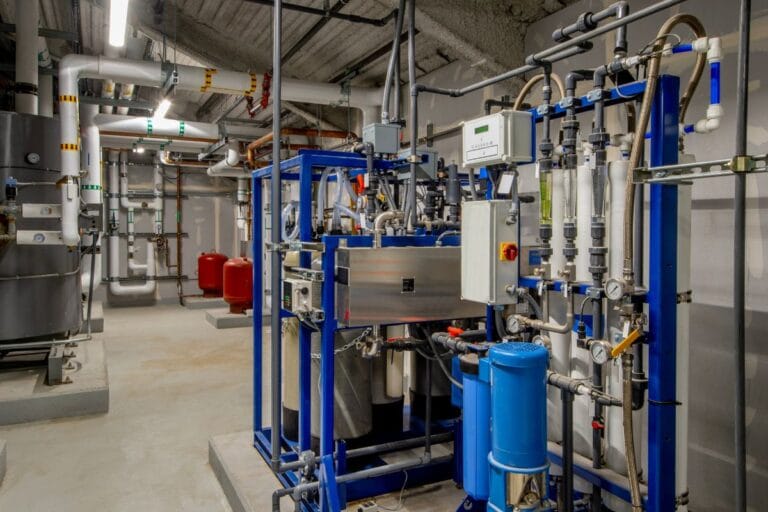
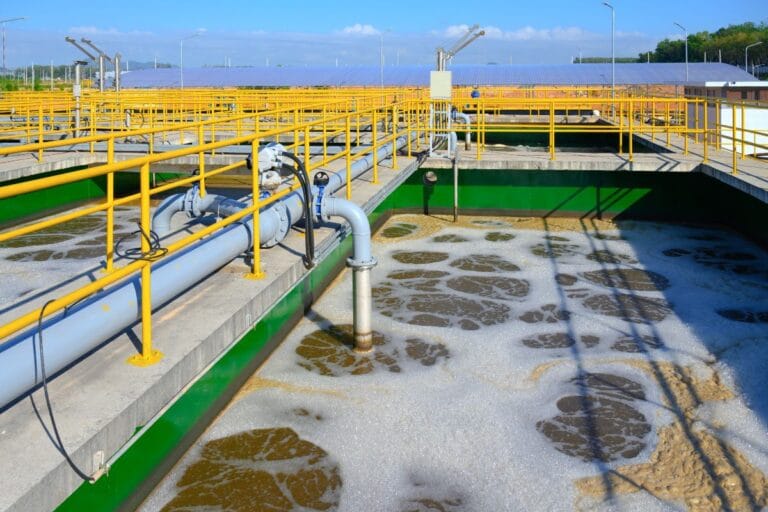
Clean water is not just a necessity—it’s a strategic asset. At Axiom Water Technologies, we understand the unique water quality issues that households and businesses across Kenya face every day. That’s why we offer solutions engineered for real-life performance. Our water purification technologies in Kenya empower users to make smarter water decisions through active use and measurable results. In this guide, we provide an in-depth look at the most effective purification technologies used across Kenya and how to select and maintain the right solution for your specific water needs.

Buy Top-Quality Water Purification Accessories in Kenya

What Is Water Purification? A Quick Overview for Kenyan Households and Businesses

Clean, safe water is essential for every home and business. In Kenya, where many people rely on untreated sources like boreholes, wells, or rainwater, water purification becomes a critical step in ensuring health, safety, and operational efficiency. Understanding what water purification is and how it applies to local needs sets the foundation for making informed decisions. Below, we explore three essential aspects every Kenyan household or business should know about this process:

1. Understanding the Main Contaminants in Kenyan Water Sources

Different water sources across Kenya carry distinct risks. Boreholes often contain dissolved salts, fluoride, or heavy metals like iron and manganese. Wells and rivers can be contaminated with bacteria, viruses, and agricultural runoff, while rainwater may carry airborne pollutants from rooftops. Without proper treatment, these contaminants can cause long-term health problems, damage appliances, and affect the taste and smell of water.

Recognizing these contaminants helps determine the most suitable purification technology. Whether the concern is chemical composition, microbial load, or turbidity, testing the water source is the first step in selecting an effective solution.

2. The Importance of Purification for Health, Safety, and Compliance

Purifying water is not just about improving taste or appearance—it’s about preventing disease. Contaminated water can lead to waterborne illnesses such as cholera, typhoid, and dysentery, which are still prevalent in many parts of Kenya. For businesses, especially those in food service, hospitality, or healthcare, unclean water poses both a health hazard and a regulatory risk.

Meeting safety standards from bodies like KEBS or WHO is essential for operational licensing and public trust. Effective purification ensures compliance while protecting your family or customers from exposure to harmful substances.

3. How Purification Improves Efficiency and Long-Term Value

Purified water doesn’t only benefit health—it also protects infrastructure. Clean water reduces scale buildup in pipes, heaters, and appliances, extending their lifespan and reducing maintenance costs. Businesses that rely on boilers, cooling systems, or water-based manufacturing processes experience better performance and fewer breakdowns when water is properly treated.

For homes, this means fewer plumbing issues, longer-lasting appliances, and lower utility bills. Investing in a water purification system delivers ongoing value while ensuring peace of mind for both homeowners and business operators.

Top Water Purification Technologies Used in Kenya Today

Across Kenya, the demand for cleaner, safer water has led to widespread adoption of reliable purification technologies. Whether for residential, commercial, or industrial use, different systems are suited to varying water sources and contamination types. Understanding how these technologies work allows users to select the best solution based on local conditions and usage demands. Below, we break down the most effective water purification technologies currently in use across the country:

1. Reverse Osmosis (RO) – Comprehensive Filtration for Salty or Contaminated Water

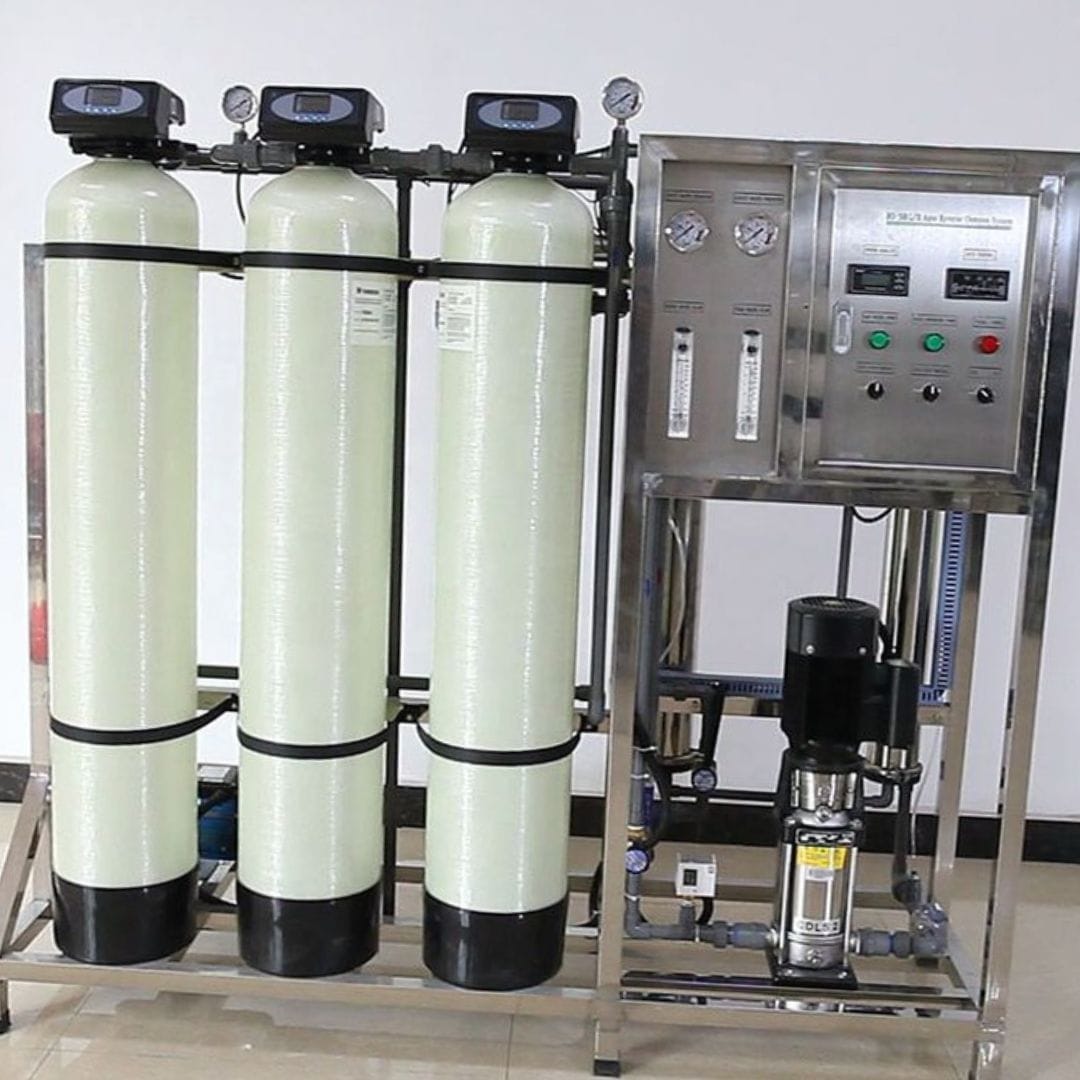
Reverse osmosis is one of the most effective purification methods available in Kenya. It works by forcing water through a semi-permeable membrane, which blocks dissolved salts, heavy metals, fluoride, nitrates, and other harmful substances. This system is ideal for treating borehole or salty water, common in many rural and peri-urban areas.

RO Water Systems for Sale in Kenya

RO systems deliver high-quality drinking water and are suitable for homes, offices, hospitals, and even manufacturing plants. Their ability to handle high contamination loads makes them a go-to solution for long-term water safety.

2. Ultraviolet (UV) Sterilizers – Fast, Chemical-Free Microbial Control

Ultraviolet purification is a non-chemical method that uses UV-C light to deactivate bacteria, viruses, and protozoa. The technology is especially valuable for areas where microbial contamination is a concern, such as rainwater tanks, river supplies, or shallow wells.

UV systems work best as part of a multi-stage process, typically placed after sediment and carbon filtration. They ensure that any remaining pathogens are neutralized before the water reaches your tap, making them essential for safeguarding against waterborne diseases.

3. Activated Carbon Filtration – Enhancing Taste, Smell, and Chemical Clarity

Activated carbon filters remove chlorine, volatile organic compounds (VOCs), and unpleasant odours from water. These filters are widely used to improve the aesthetic quality of drinking water and reduce harmful chemicals that affect both taste and smell.

This technology is ideal for homes and businesses using municipal water or as part of a broader purification setup. When integrated into a multi-stage system, carbon filtration enhances user experience by delivering water that is not only safe but also pleasant to drink.

4. Ceramic Filtration – Simple, Effective Physical Barrier for Pathogens

Ceramic filters use porous surfaces to physically trap bacteria, protozoa, and suspended particles. These filters are especially useful in rural areas where electricity may not be available, offering a simple and low-cost solution to improve basic water quality.

While not effective against dissolved salts or viruses, ceramic filters provide a valuable first line of defence in households relying on untreated surface water. They are often used in conjunction with other purification methods for more complete protection.

5. Ion Exchange Systems – Targeted Removal of Hardness and Heavy Metals

Ion exchange systems work by swapping harmful ions like calcium, magnesium, and heavy metals with less harmful alternatives such as sodium or potassium. This process is particularly important for softening water and removing contaminants like lead or arsenic.

These systems are commonly used in industrial processes, laboratories, and households facing water hardness issues. They also serve as pre-treatment steps for reverse osmosis systems to prolong membrane life and improve efficiency.

Reverse Osmosis (RO): How It Works and Why It’s So Effective

Reverse osmosis remains one of the most trusted water purification technologies in Kenya because of its high level of precision in removing a wide range of contaminants. Its ability to deliver consistently clean water makes it ideal for both residential and commercial applications, especially in areas where water quality is severely compromised. Here’s a detailed look at how RO works and why it continues to be one of the most effective purification methods available today:

1. How Reverse Osmosis Removes Contaminants at a Microscopic Level

RO systems purify water by applying pressure to force it through a semi-permeable membrane. This membrane has extremely small pores that allow only water molecules to pass through, while blocking impurities like fluoride, nitrates, lead, arsenic, and microorganisms. As a result, the output is highly purified water, free from most health-threatening substances.

Because many regions in Kenya rely on boreholes or salty water sources, reverse osmosis plays a crucial role in delivering safe and palatable drinking water. It is particularly effective in reducing total dissolved solids (TDS), making it a reliable option for areas with mineral-rich or saline water.

2. Why RO Is Ideal for Kenyan Boreholes and Salty Water Sources

Among the various water purification technologies in Kenya, reverse osmosis stands out for its effectiveness in treating hard water and high-salinity sources. Borehole water, especially in arid and semi-arid regions, often contains minerals and metals that exceed safe limits. RO systems are engineered to remove these contaminants, making the water suitable for drinking, cooking, and industrial use.

In addition to homes, RO is widely adopted in schools, clinics, hotels, and bottling facilities across Kenya. It ensures compliance with health regulations and supports a healthier lifestyle for users in both urban and rural environments.

3. Smart Features That Make Modern RO Systems More Efficient

Today’s RO systems come equipped with advanced features that make them more user-friendly and environmentally responsible. At Axiom Water Technologies, we offer units that include:

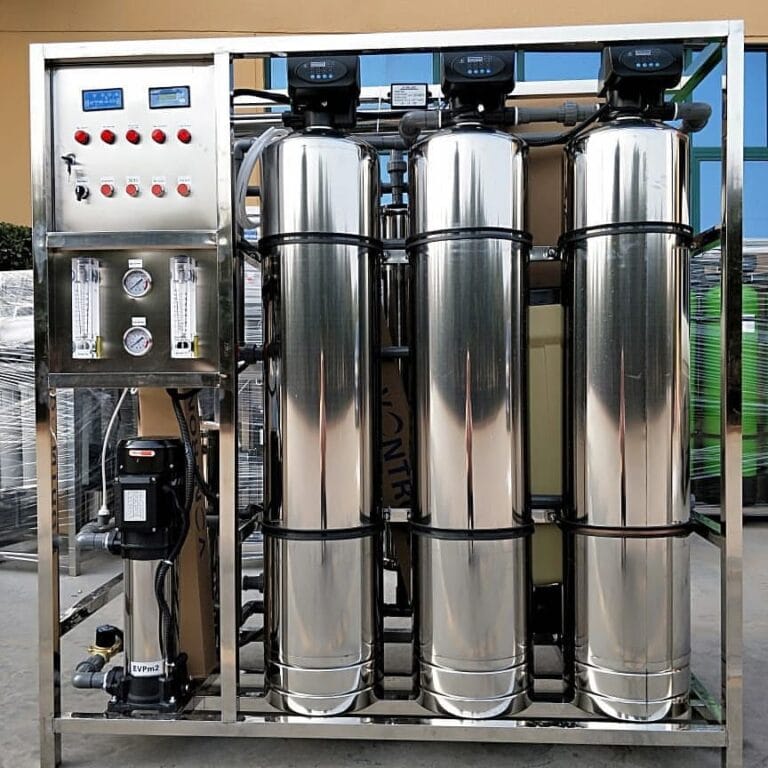
2000 LPH RO SYSTEM

  • Water-saving technology to reduce wastewater

  • Automatic flushing to prolong membrane life

  • Real-time TDS monitoring for water quality assurance

  • Smart sensors that alert users when filter replacement is needed

These innovations make reverse osmosis not just effective but also efficient in everyday use. As one of the leading water purification technologies in Kenya, RO continues to evolve, offering better performance and lower operational costs over time.

Ultraviolet (UV) Purification – A Chemical-Free Way to Kill Bacteria and Viruses

Ultraviolet purification uses UV-C light to deactivate microorganisms such as bacteria, viruses, and protozoa without adding any chemicals or altering the water’s taste. It is a fast, safe, and eco-friendly way to ensure microbiologically clean water.

UV systems are ideal for households using rainwater, shallow wells, or piped municipal supply where microbial contamination is a concern. Our UV systems come with quartz sleeves and auto-shutoff protection to ensure safety and performance.

Activated Carbon Filtration – Removing Chlorine, Odours, and Organic Pollutants

Activated carbon filters are effective at removing chlorine, bad tastes, odours, and volatile organic compounds (VOCs) from water. These filters use a highly porous carbon medium to trap contaminants while allowing water to pass through.

This technology is commonly used in residential and hospitality applications where taste and smell matter. We integrate carbon filters in most multi-stage purification systems to ensure water that is not only safe but also pleasant to drink and use.

Choosing the Right Water Purification Technology for Your Needs

Choosing the right purification technology depends on several key factors:

  • The source and chemistry of your water (e.g., borehole, rainwater, or piped)

  • The types of contaminants present

  • Your budget and long-term maintenance goals

  • Whether the system is for domestic, institutional, or industrial use

For example, homes with salty borehole water may require RO systems, while a rural clinic may benefit from UV and carbon combinations. We conduct water quality testing before recommending a specific solution. Our approach ensures that every client receives a system optimized for efficiency, safety, and long-term value.

Combining Technologies: Why Multi-Stage Purification Offers Better Results

Single-stage filtration may not be enough to address the full range of contaminants found in Kenyan water sources. That’s why we often recommend multi-stage systems that combine two or more technologies to deliver better results.

A common setup is a three-stage system with sediment filtration, activated carbon, and RO, followed by UV sterilization. This ensures removal of physical particles, chemical pollutants, and microbial threats. Multi-stage systems also reduce strain on individual filters, improving overall system longevity.

We customize these systems based on your available space, water usage patterns, and budget. The result is a reliable, all-in-one solution that delivers measurable benefits.

Eco-Friendly Water Purification Solutions – Cleaner Water, Lower Impact

As environmental concerns grow, we are committed to offering sustainable water purification technologies in Kenya. Our eco-friendly systems help you save energy, reduce waste, and minimize your carbon footprint.

Some of our green innovations include:

  • Solar-powered purification units for off-grid areas

  • Low-energy UV and RO systems with automatic shutoff

  • Reusable and biodegradable filter cartridges

  • Water-saving RO systems with wastewater recycling options

We believe that water purification should protect both human health and the environment. Our sustainable technologies align with Kenya’s green growth initiatives and help our clients achieve environmental compliance.

How to Maintain Your Water Purification System for Long-Term Performance

Maintaining your purification system is essential for consistent performance and water safety. Fortunately, our systems are designed with user-friendly maintenance features and long-lasting components.

Key maintenance practices include:

  • Replacing sediment and carbon filters every 6–12 months

  • Changing UV lamps annually

  • Cleaning pre-filters to prevent clogging

  • Monitoring TDS (Total Dissolved Solids) levels in RO systems

We also offer annual maintenance contracts (AMC) that include regular inspections, filter replacements, and emergency support. These services ensure your system continues to operate efficiently with minimal downtime.

Where to Get Reliable Water Purification Technologies in Kenya

If you’re looking for dependable, high-quality water purification technologies in Kenya, look no further than Axiom Water Technologies. We specialize in designing, supplying, installing, and maintaining advanced water purification systems tailored to the unique needs of Kenyan homes, businesses, schools, and industries.

We don’t offer generic, one-size-fits-all solutions. Instead, we begin with a thorough analysis of your water source—be it borehole, rainwater, municipal supply, or river water. Based on the results, we recommend a customized system using tested water purification technologies in Kenya such as reverse osmosis, UV sterilization, activated carbon, or multi-stage filtration.

Our services include:

1. Professional Consultation and Water Testing

We conduct detailed water quality tests before suggesting any solution. This ensures the recommended system is efficient, safe, and long-lasting. You’ll know exactly what’s in your water and how to treat it.

2. Supply and Installation

We provide top-tier equipment sourced and assembled to perform in Kenyan conditions. Our technicians handle installations quickly and professionally, ensuring minimal disruption to your home or business.

3. After-Sales Support and Maintenance

Your relationship with us doesn’t end at installation. We offer regular servicing, filter replacements, and system upgrades so that your water purification technologies in Kenya continue to perform optimally.

Whether you need a compact home filtration system or a full-scale industrial treatment plant, Axiom Water Technologies is your trusted partner. Our commitment to quality, safety, and sustainable solutions sets us apart in the market.

Contact us today and let us help you transform your water into a clean, reliable resource using the most effective water purification technologies in Kenya.

FAQs – Water Purification Technologies in Kenya

As demand grows for reliable clean water solutions, many Kenyan households and businesses are turning to water purification technologies in Kenya. To help you make informed decisions, we’ve answered some of the most frequently asked questions below:

1. Which is better: RO or UV?

RO and UV systems serve different but complementary purposes. Reverse osmosis systems are highly effective at removing dissolved salts, fluoride, heavy metals, and other chemical contaminants. UV purification, on the other hand, kills bacteria, viruses, and other harmful microorganisms without using chemicals.

For complete protection, we often recommend systems that combine both. Multi-stage setups like RO + UV are among the most effective water purification technologies in Kenya, especially for users dealing with borehole or surface water sources.

2. Can I use these systems with borehole water?

Yes, you can. Most borehole water in Kenya contains high levels of minerals, salts, and sometimes microbial contamination. RO systems are ideal for treating such water, while UV adds protection against biological threats.

Our solutions are designed to work in real Kenyan conditions. We test your water quality first and tailor a solution accordingly, ensuring that you get the best value from advanced water purification technologies in Kenya.

3. Do I need pre-filtration?

Yes. Pre-filtration is essential when using water purification technologies in Kenya, especially with high-turbidity water sources like wells or rivers. Pre-filters trap particles like sand, rust, and silt, preventing damage to the more sensitive RO membranes and UV chambers.

Installing a pre-filtration stage not only improves the efficiency of the system but also extends the lifespan of the filters and reduces maintenance costs in the long run.

4. How often should I replace the filters?

Filter replacement depends on both water quality and daily usage. In general:

  • Sediment and carbon filters: Replace every 6–12 months

  • UV lamps: Replace annually

  • RO membranes: Replace every 2–3 years

These timelines help ensure that your water purification technologies in Kenya perform at their highest standard. We offer scheduled maintenance plans to help you stay on track and avoid service interruptions.

5. Are these systems suitable for children and elderly users?

Absolutely. All our systems meet international health and safety standards, making them safe for every member of your household or workplace. Clean, purified water is especially important for vulnerable groups like children, the elderly, and those with compromised immune systems.

By installing trusted water purification technologies in Kenya, you’re making a health-conscious investment that benefits everyone under your roof or care.

buy water purification systems in Kenya

Buy Water Purification Technologies in Kenya with Axiom Water Technologies Today

Investing in clean water is one of the smartest decisions you can make. Axiom Water Technologies provides reliable and affordable water purification technologies in Kenya that are tailored to your specific needs. Whether for your home, business, or institution, we deliver end-to-end solutions that are efficient, safe, and environmentally responsible. Contact us today to learn how our systems can transform your water quality and safeguard your health. Water Purification Technologies in Kenya — let’s purify your future together.

WhatsApp Us