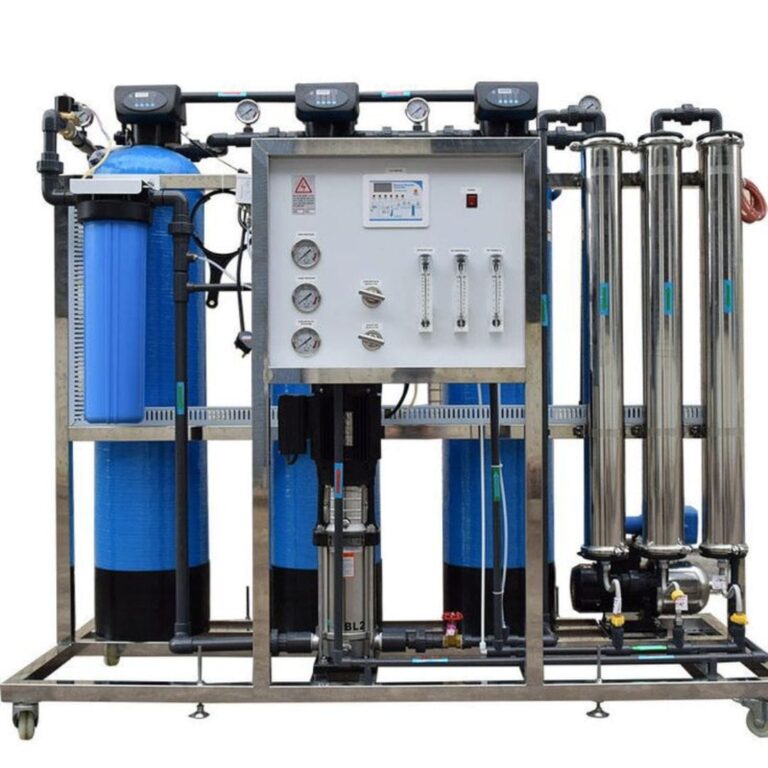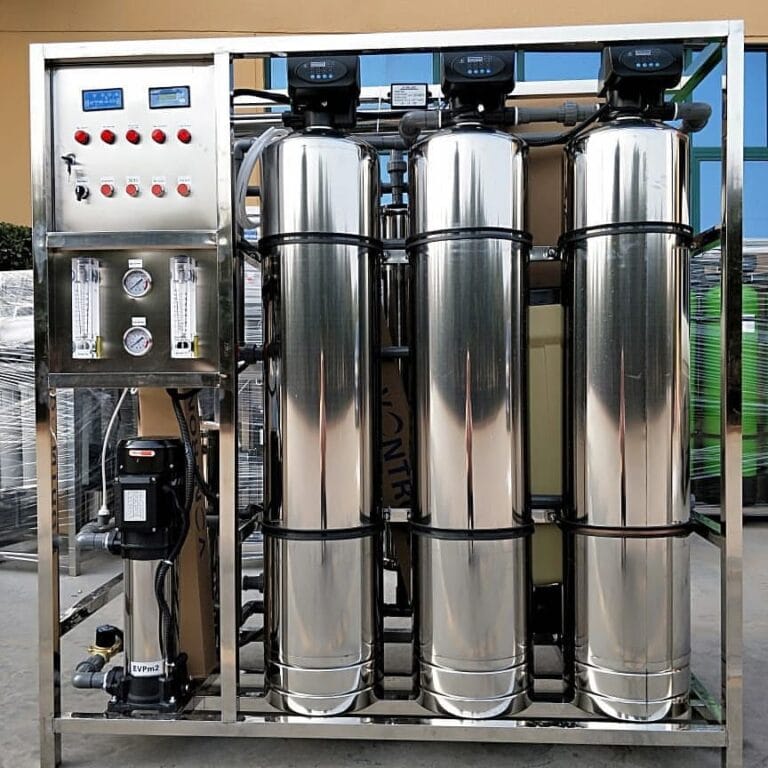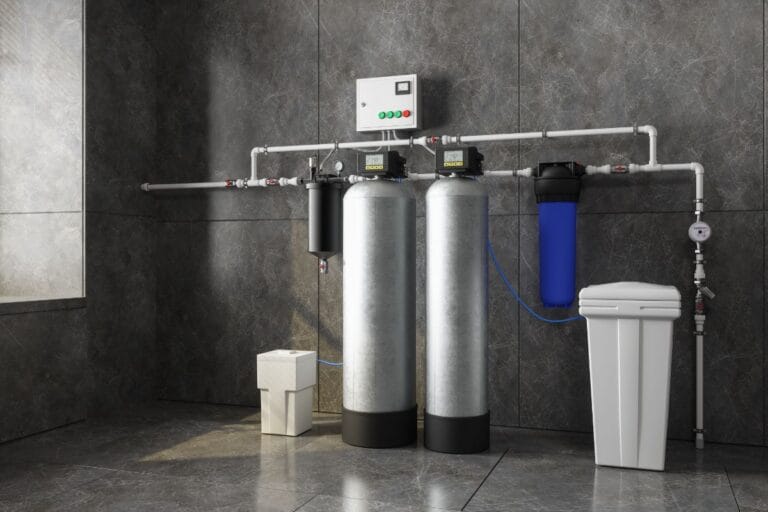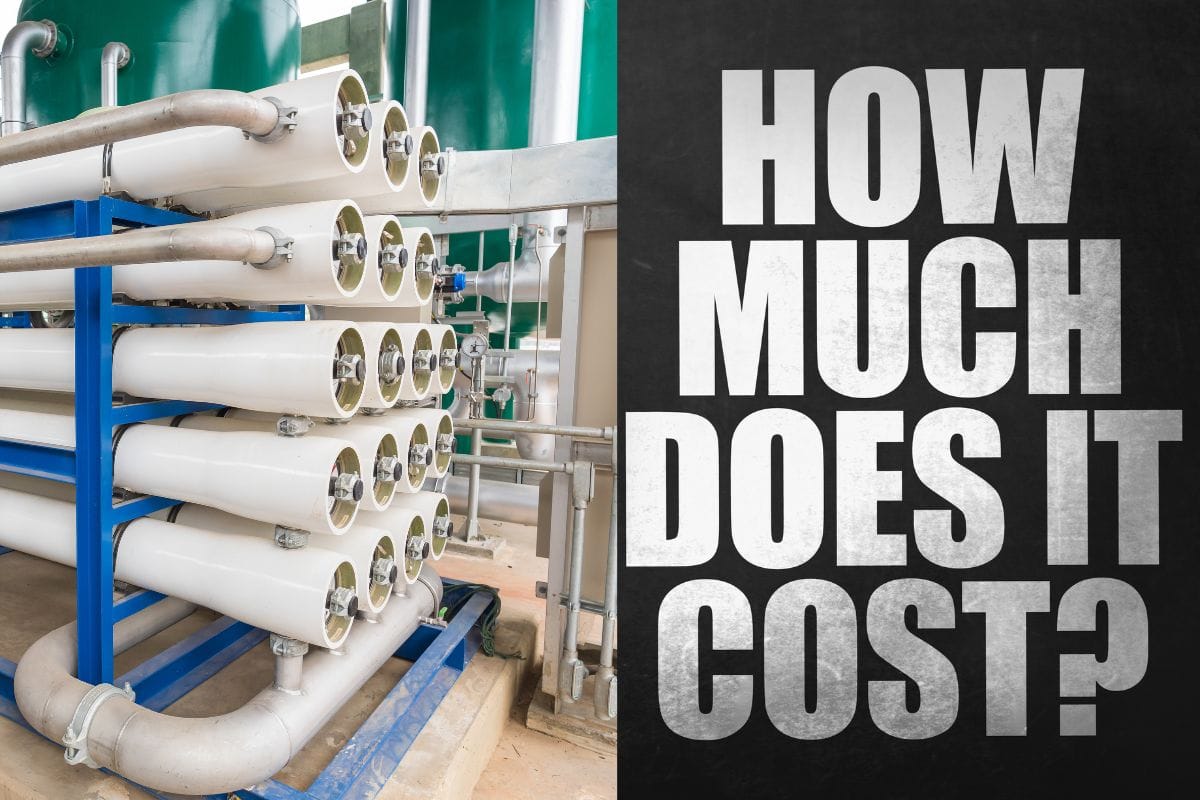
How Much Does a Reverse Osmosis (RO) System Cost in Kenya?
How Much Does a Reverse Osmosis (RO) System Cost in Kenya?
Looking to buy Reverse Osmosis System in Kenya? This comprehensive guide breaks down everything you need to know—from system capacity and pre-treatment needs to installation and ongoing maintenance costs. Whether you want to buy RO system in Kenya for residential, commercial, or industrial use, this resource will help you make a high-value, cost-effective investment.
Why Understanding RO System Costs Is Important
When planning to buy a Reverse Osmosis System in Kenya, pricing should never be viewed in isolation. The total cost goes far beyond the unit itself—it encompasses system design, local water quality customization, professional installation, after-sales support, and long-term maintenance. A clear understanding of these cost drivers enables informed decision-making and ensures you invest in a solution that delivers value, durability, and efficiency for years to come.

Why Buy Reverse Osmosis System in Kenya – Purify Smart, Save Long-Term
When you buy a Reverse Osmosis system in Kenya, you’re investing in advanced water purification that eliminates up to 99% of harmful contaminants—including fluoride, chlorine, heavy metals, bacteria, viruses, and excess salts. This makes RO systems ideal for both residential and commercial applications where water safety and reliability are non-negotiable.
1. Health and Regulatory Compliance
Reverse Osmosis systems support strict compliance with KEBS, WHO, and Ministry of Health water safety standards. This is particularly critical for hospitals, food processors, learning institutions, and bottled water businesses where water purity is directly linked to public health and regulatory approval.
2. Long-Term Cost Efficiency
Compared to the recurring expense of bottled water or the logistical cost of water trucking, RO systems offer a sustainable and cost-effective alternative. Over time, the return on investment is significant—especially for facilities with high daily consumption.
3. Consistent High-Quality Output
RO systems are engineered to perform under diverse Kenyan water conditions. Whether your source is borehole, municipal supply, or saline water, properly configured RO systems deliver consistent output quality and system reliability.
4. Performance-Driven System Matching
Understanding your source water profile and usage volume is key to ensuring the right system is selected. At Axiom Water Technologies, we tailor each solution to meet your performance goals, daily throughput, and compliance needs—helping you maximize system value from day one.
Factors That Influence the Cost of Reverse Osmosis (RO) Systems in Kenya
Before you buy a Reverse Osmosis system in Kenya, it’s essential to understand the variables that drive pricing. RO system costs are not one-size-fits-all—they reflect technical, operational, and environmental requirements that directly impact system design, installation, and long-term ownership. Below is a breakdown of the main cost-influencing factors:
1. System Capacity (Litres Per Hour – LPH)
System capacity is the single most significant determinant of cost. The higher the output required, the more robust the components—and the higher the price point.
| Capacity Range | Typical Use Cases |
|---|---|
| 250 LPH | Small offices, homes, or compact commercial setups |
| 500–1500 LPH | Schools, clinics, water vending stations, small hotels |
| 2000–10000 LPH | Large industries, hotels, bottling plants, institutions |
| 10000 LPH (Seawater RO) | Coastal regions with high-salinity borehole or seawater |
When planning to buy RO system in Kenya, start by accurately estimating your daily water demand. This ensures you don’t under-spec or over-invest.
2. Pre-Treatment Requirements
Raw water quality plays a critical role in determining the type and number of pre-treatment units required. Poor input water often contains iron, sediments, chlorine, or organic matter, all of which can damage RO membranes if untreated.
Common pre-treatment components include:
Sediment filters
Activated carbon filters
Iron and manganese removal units
Antiscalant dosing systems
Each adds to the total system cost but greatly enhances lifespan and performance.
3. Optional UV Sterilization and Mineralization
For sensitive applications—such as drinking water, food processing, or hospital use—adding a UV sterilizer ensures microbial safety. Mineral cartridges or alkaline filters can also be integrated post-RO to improve taste and rebalance essential minerals.
These optional upgrades add value, especially for clients prioritizing health and taste standards, but also increase system cost marginally.
4. Installation & Site Complexity
The installation environment directly affects labor and infrastructure requirements. Key variables include:
Custom plumbing connections
Space constraints or retrofits
Electrical rewiring or voltage stabilizers
Long-distance transportation or delivery to remote regions
When you buy a Reverse Osmosis system in Kenya, a professional site assessment helps eliminate future bottlenecks and cost overruns.
5. Brand, Warranty, and Local Technical Support
Not all RO systems are equal. Sourcing from a certified, Kenya-based supplier like Axiom Water Technologies ensures:
Genuine components with full manufacturer warranties
Local inventory of critical spares (membranes, cartridges, pumps)
Technical support for setup, servicing, and system scaling
Investing in a system with poor local support or generic parts can lead to premature failures and high replacement costs.
6. Consumables and Routine Maintenance
Ongoing operation involves regular replacement of consumables and periodic servicing to maintain performance.
Key recurring items include:
Sediment and carbon filter cartridges (every 3–6 months)
RO membranes (typically every 18–24 months)
UV lamps (yearly)
Pump servicing and system flushing
Factoring in these operational costs upfront ensures long-term sustainability—especially for commercial and institutional buyers looking to buy RO system in Kenya for critical applications.
Cost Breakdown by RO System Capacity in Kenya
If you’re planning to buy Reverse Osmosis System in Kenya, understanding how system capacity influences cost is crucial. Whether you’re sourcing a compact residential unit or an industrial-grade plant, each model varies in output, design, and operational infrastructure. Below is a breakdown of the 10 main RO system capacities available in Kenya, their common applications, and cost expectations.
250 LPH RO System – Small-Scale, Residential, and Office Use
The 250 LPH Reverse Osmosis System is engineered for settings with modest water purification demands. Its compact design, low energy footprint, and efficient membrane configuration make it ideal for small-scale use where space and budget are critical.

Key Applications:
Small homes
Executive residences
Small office buildings
Coffee bars, dental clinics, and boardroom kitchens
Estimated Price Range: KES 35,000 – 55,000
Why Choose This Capacity
If you’re looking to buy Reverse Osmosis System in Kenya for low-demand use—such as filtered drinking water, tea and coffee stations, or a small household—this system delivers high performance with minimal overhead. It works best with relatively clean municipal or low-TDS borehole water.
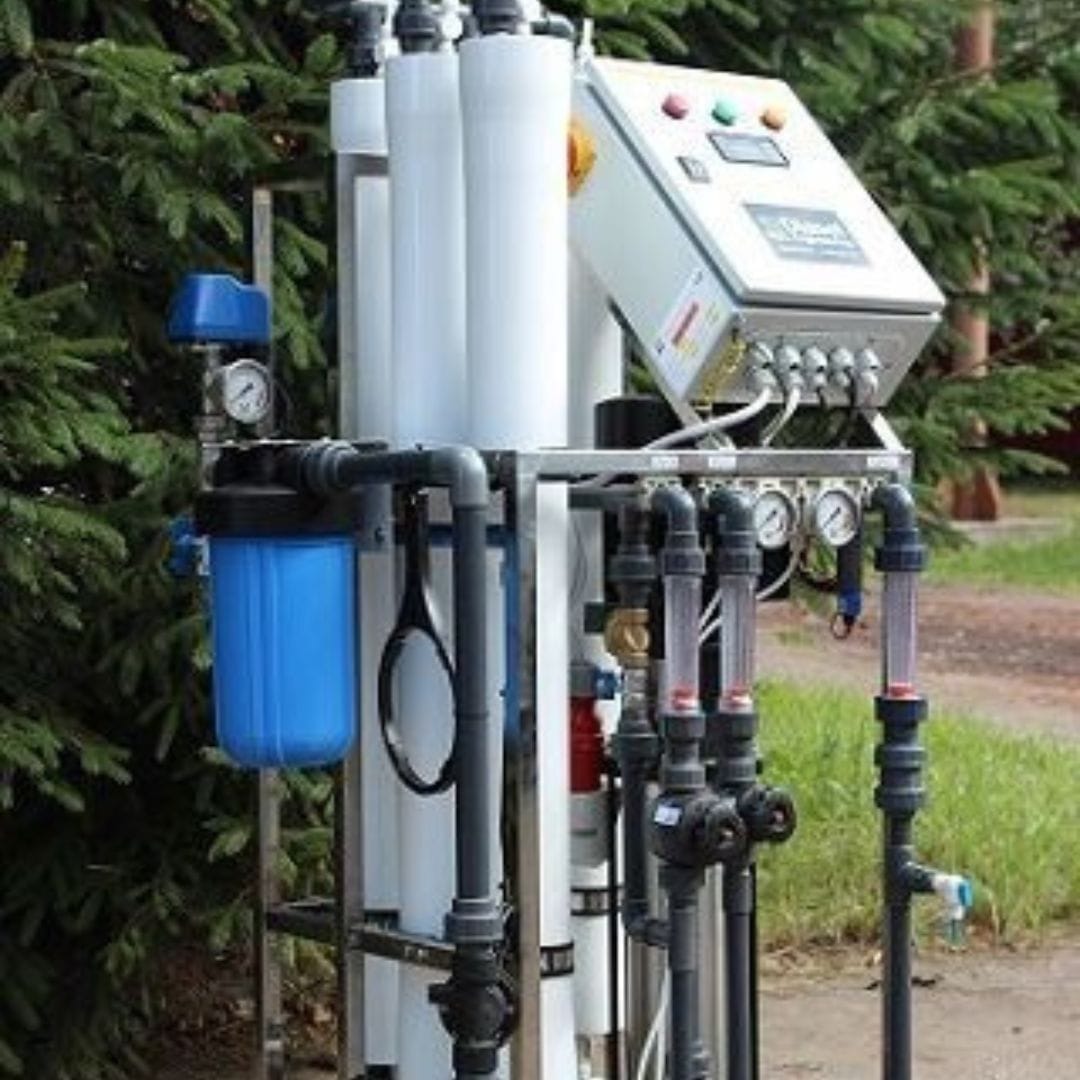
500 LPH RO System – Medium Household and Light Commercial Use
The 500 LPH system is a step up for properties with higher daily water consumption. It’s the go-to model for SMEs, guesthouses, outpatient medical clinics, and barber or beauty salons that require consistent purified water throughout the day.
Key Applications:
Mid-size homes
Clinics, salons, barbershops
Guesthouses and small cafés
Estimated Price Range: KES 80,000 – 120,000
Why Choose This Capacity
This unit provides a cost-effective solution for growing water demand. If you’re scaling operations or managing a moderate flow facility, the 500 LPH model offers an excellent balance between capacity, size, and ease of maintenance.
750 LPH RO System – Institutional and Hospitality Environments
The 750 LPH RO system is ideal for institutions and light commercial operations with larger daily consumption, especially where reliability during peak hours is critical. It delivers enhanced flow rates, higher recovery percentages, and comes with more robust pre-treatment options.

Key Applications:
Private schools and kindergartens
Mid-sized restaurants or fast-food chains
Retail stores and fuel station facilities
Estimated Price Range: KES 130,000 – 180,000
Why Choose This Capacity
This capacity serves 100–300 people daily, making it an optimal choice for educational and food-service environments where uptime and water quality cannot be compromised.
1000 LPH RO System – Commercial and Vending Applications
Widely adopted in Kenya’s growing water vending and hospitality markets, the 1000 LPH RO system supports scalable purification needs. Its enhanced membrane surface area and customizable filtration stages ensure compliance with local and international water quality standards.

Key Applications:
Water refilling kiosks and dispensers
Office towers, lodges, and event venues
Small bottling startups
Estimated Price Range: KES 150,000 – 220,000
Why Choose This Capacity
If your goal is to buy RO System in Kenya for income generation, this is your launch point. It’s ideal for entrepreneurs entering the water business or commercial facilities needing a consistent, safe supply.
1500 LPH RO System – Semi-Industrial & Institutional Use
The 1500 LPH unit bridges the gap between medium commercial and entry-level industrial demand. It features automated pressure regulation, multi-stage filtration, and rugged steel framing for demanding environments.

Key Applications:
Hospitals and university campuses
Hotel complexes
Commercial kitchens and conference centers
Estimated Price Range: KES 200,000 – 300,000
Why Choose This Capacity
Designed for 15,000+ liters of purified water daily, this system supports both potable and process water requirements. It’s ideal for institutions where health standards are non-negotiable and where large volumes are consumed regularly.
2000 LPH RO System – Water Vending and Entry-Level Bottling
The 2000 LPH RO system is a top pick for entrepreneurs looking to scale water vending or operate small-scale bottling lines. It’s highly efficient, equipped for 24/7 operation, and built to withstand the rigors of commercial demand.

Key Applications:
High-volume water vending kiosks
Distributors of purified bottled water
Apartment blocks and estates
Estimated Price Range: KES 280,000 – 450,000
Why Choose This Capacity
When you buy Reverse Osmosis System in Kenya for commercial resale, you want reliability and throughput. This model allows you to meet customer demand, achieve rapid ROI, and scale operations with minimal downtime.
5000 LPH RO System – Industrial Water Purification
A heavy-duty system suitable for factories, bottling plants, resorts, and agricultural processing sites. It provides high recovery rates, multi-membrane arrays, and programmable logic controls for automated operation.

Key Applications:
Food and beverage factories
Hotels and resorts
Commercial laundries and farms
Estimated Price Range: KES 500,000 – 700,000
Why Choose This Capacity
This system supports simultaneous purification for both consumption and processing. With robust engineering, it delivers high-volume purification without compromising on output quality or compliance.
6000 LPH RO System – Large-Scale Commercial and Processing Use
Ideal for industries where large water volumes are needed continuously. It’s equipped with advanced monitoring systems, redundant safety features, and industrial-grade components that ensure round-the-clock efficiency.
 Key Applications:
Agricultural irrigation setups
Bottling plants
Large food-processing operations
Estimated Price Range: KES 650,000 – 850,000
Why Choose This Capacity
This unit is tailored for industrial clients that depend on consistent, high-quality water for critical applications. It’s also suitable for large housing estates or commercial parks.
10000 LPH RO System – Municipal and Heavy Industrial Systems
This is one of the highest-capacity RO systems in the market, suitable for institutions, city-level installations, or centralized water distribution points. Comes with SCADA integration, backup systems, and high-efficiency pumps.

Key Applications:
Manufacturing zones
Municipal supply backup
Institutional campuses with 1000+ residents
Estimated Price Range: KES 1,000,000 – 1,500,000
Why Choose This Capacity
A strategic investment for public or private organizations serving large populations with mission-critical water needs. Delivers excellent operational economics at scale.
10000 LPH Seawater RO System – Desalination & Coastal Use
Designed to treat high-salinity water from coastal boreholes, seawater wells, or brackish sources. It incorporates anti-scalant dosing systems, corrosion-resistant membranes, and energy recovery devices.

Key Applications:
Coastal resorts and lodges
Saline borehole treatment
Island or off-grid desalination plants
Estimated Price Range: KES 1,600,000 – 2,500,000
Why Choose This Capacity
If your water source is saline or brackish, this is the system you need. It transforms unusable water into potable supply—essential for Kenya’s coastal counties and remote developments.
Tabular Summary – RO System Capacities and Costs in Kenya
| RO System Capacity (LPH) | Common Use Case | Estimated Cost (KES) |
|---|---|---|
| 250 LPH | Small homes, executive residences, small offices | 35,000 – 55,000 |
| 500 LPH | Medium households, clinics, guesthouses | 80,000 – 120,000 |
| 750 LPH | Schools, salons, small restaurants | 130,000 – 180,000 |
| 1000 LPH | Hotels, water vending kiosks, offices | 150,000 – 220,000 |
| 1500 LPH | Medium commercial premises, larger clinics | 200,000 – 300,000 |
| 2000 LPH | Water vending business, small bottling | 280,000 – 450,000 |
| 5000 LPH | Industrial plants, resorts, bottling factories | 500,000 – 700,000 |
| 6000 LPH | Large-scale manufacturing and agriculture | 650,000 – 850,000 |
| 10000 LPH | Municipal, institutional, and industrial use | 1,000,000 – 1,500,000 |
| 10000 LPH Seawater RO | Desalination, saline boreholes (coastal areas) | 1,600,000 – 2,500,000 |
Note: These figures include basic filtration, system hardware, and standard installation. Final pricing may vary based on pre-treatment needs, delivery logistics, and post-installation services. Request Quote from Axiom Water Technologies to get an accurate, customized quotation tailored to your water source, installation site, and operational requirements.
Real-World RO System Cost Scenarios in Kenya
To give more practical insight into pricing structures, here are real-world project examples—showing total cost, features, and expected return on investment (ROI). This is especially helpful if you’re planning to buy RO system in Kenya for a specific application.
Scenario A: 500 LPH RO System for a Hair Salon & Guest House
Application: Small business use—clean water for customer comfort and internal use.
System Specs: 500 LPH RO system with sediment filter, activated carbon filter, and UV sterilization.
Installation Cost: ~KES 20,000 (standard plumbing and electrical ready).
Consumables & Servicing (Yearly): KES 30,000 for filters and maintenance.
Year 1 Total Investment: ~KES 130,000.
Business Outcome: Cuts bottled water costs by over 70%, improves customer trust, and reduces health risks from untreated municipal water. ROI typically achieved within 10–14 months depending on daily use.
Scenario B: 2000 LPH RO System for Water Vending Business
Application: Vending kiosk serving low-income neighborhoods with purified refill water.
System Specs: 2000 LPH RO system, complete pre-treatment (iron removal, carbon, sediment), post-treatment UV and mineralization.
Installation & Commissioning: KES 300,000, including water tank connection and signage.
Annual Maintenance: KES 100,000 covering filters, membranes, and UV lamp replacement.
5-Year Total Cost of Ownership (TCO): ~KES 800,000.
Business Outcome: With 20 KES/litre pricing and average 2,000 litres/day output, break-even occurs in less than 12 months. Strong profit margins and low operational overhead after initial setup.
Scenario C: 10000 LPH Industrial RO Plant for Manufacturing
Application: Large-scale beverage or pharmaceutical production facility.
System Specs: 10000 LPH RO system, full automation, SMS monitoring, flow meters, and stainless steel skid.
Project Scope: Includes redundant high-pressure pumps, dual-stage membranes, UV disinfection, and surge protection.
Project Cost: ~KES 1.4 million including design, freight, installation, and startup support.
Service Contract: 2-year full maintenance plan included.
Business Outcome: Delivers water purity required for product consistency and KEBS/ISO compliance. Reduces reliance on water trucking by over 95%. Lowers long-term per-litre cost to below KES 0.50.
Why Real-World ROI Is Key When You Buy Reverse Osmosis System in Kenya
Evaluating long-term performance, upkeep, and output capacity is critical—not just the sticker price. That’s why Axiom Water Technologies offers technical pre-sales consultation, site assessments, and post-installation training. Whether you’re starting a water vending business or operating a food-grade plant, we align system specs with ROI expectations and regulatory needs.
Total Cost of Ownership Over 5 Years
Investing in a 2000 LPH RO system in Kenya delivers long-term operational value. Below is a comprehensive estimate of the total cost of ownership over a five-year period:
| Cost Component | KES (5-Year Estimate) |
|---|---|
| Hardware & Installation | 500,000 |
| Filters and Consumables | 250,000 |
| Membrane Replacement | 150,000 |
| Maintenance & Servicing | 200,000 |
| Estimated Total | 1,100,000 |
With a consistent output capacity of 2,000 litres per hour and optimized consumable usage, the cost per litre over time is significantly lower than other filtration methods. This makes the system ideal for institutions, manufacturing, and commercial use cases seeking efficiency, reliability, and lower operational expenses.
How to Get the Best Value When You Buy RO System in Kenya
A. Conduct a Water Quality Assessment First
Before investing in a reverse osmosis (RO) system, request a comprehensive water test. Focus on key indicators such as:
Fluoride levels
Total Dissolved Solids (TDS)
Microbial load
pH levels
These parameters will help determine the appropriate pre-treatment and system capacity required for optimal performance and safety.
B. Demand a Detailed Bill of Materials (BOM)
Always request a written quote that includes the complete Bill of Materials. The BOM should clearly specify:
All filtration stages
TDS recovery rate
Recovery ratio
Design capacity and operational specifications
This ensures transparency, prevents cost overruns, and allows you to compare offers on a like-for-like basis.
C. Evaluate Technical and After-Sales Support
Prioritize suppliers that offer robust support services. The ideal provider should:
Deliver nationwide installation
Ensure easy availability of replacement parts
Offer planned maintenance schedules
Leading companies like Axiom Water Technologies stand out for providing consistent, countrywide technical coverage.
D. Clarify Warranty and Service Commitments
A reliable RO system investment includes long-term protection. Confirm that your supplier offers:
Warranty coverage for membranes, filters, and major components
Defined timelines for preventive maintenance
Prompt support response in case of system failure
Understanding these terms upfront safeguards your operational continuity and cost efficiency over time.
Additional Reverse Osmosis (RO) System Costs
When you buy a Reverse Osmosis (RO) system in Kenya, your total investment extends beyond the initial equipment price. While the core system forms the bulk of the cost, several peripheral and ongoing expenses must be accounted for to ensure smooth operation, regulatory compliance, and long-term performance. These additional costs can vary significantly based on system capacity, installation complexity, geographic location, and supplier terms.
Below is a detailed breakdown of commonly overlooked but essential cost components:
1. Installation & Integration Charges
Professional installation is critical—especially for mid-to-large capacity systems (e.g., 1000 LPH to 10,000 LPH). Depending on site complexity, this may involve:
Plumbing modifications
Electrical upgrades
Booster pump or panel installation
Housing or system mounting infrastructure
Installation costs typically range from KES 15,000 to 150,000, depending on scope and region. In remote locations or industrial plants, specialized labor or tools may increase this figure.
2. Pre-Treatment Requirements
Pre-treatment systems are often mandatory based on your source water quality. These systems protect the RO membrane and improve overall purification efficiency. Common components include:
Sand Filters – Remove turbidity and suspended solids
Activated Carbon Filters – Eliminate chlorine and organic matter
Iron Removal Units – Necessary in boreholes with high iron levels
Water Softeners – For high TDS or hardness reduction
Pre-treatment costs can range from KES 10,000 to 150,000, depending on the configuration required.
3. Freight, Logistics, and Offsite Handling
Transporting RO systems—especially larger units like 5000 LPH or 10,000 LPH—requires reliable logistics. If you’re located in a remote county or off-grid area, freight costs will increase due to handling complexity and fuel charges.
Standard delivery within major towns: typically included
Remote site or large-unit freight: KES 10,000 to 80,000
Special handling may also be needed for delicate sensors, membranes, or control panels.
4. Electrical & Plumbing Infrastructure
Some premises may require upgrades to support the RO system’s operating specifications, such as:
Three-phase power upgrades
Stabilizers or surge protectors for voltage-sensitive equipment
Custom pipe fittings to accommodate high-pressure flow
Drainage layout adjustments for RO reject water
These upgrades may cost KES 20,000–250,000, particularly in industrial-scale installations.
5. Compliance Testing & Regulatory Certification
In commercial or institutional environments, regular compliance with KEBS, MOH, or county water safety standards may be required. Related costs include:
Initial and periodic water testing
System pressure testing and calibration
Inspection fees for public-serving businesses (e.g., schools, bottling plants)
Expect to invest KES 5,000–25,000 annually, depending on your operational category.
6. Scheduled Maintenance Contracts
To maintain optimal performance and extend system life, many buyers opt for Annual Maintenance Contracts (AMCs). These cover:
Periodic inspection and cleaning
Membrane and cartridge replacement
UV lamp changes (if applicable)
Emergency support or priority servicing
Typical AMC pricing ranges from KES 20,000 to 120,000 per year, depending on system size and service level.
7. Consumables and Spare Parts
Ongoing costs for replacing filters, membranes, and UV lamps add up over time. Sourcing original, compatible spares locally from trusted suppliers like Axiom Water Technologies is critical to avoid breakdowns or contamination.
Filter sets: KES 3,000–12,000 every 6–12 months
RO membranes: KES 8,000–25,000 every 1–3 years
UV lamps: KES 4,000–10,000 annually
Accounting for these additional expenses ensures a realistic budget and prevents system failures, regulatory issues, or costly retrofits. Always confirm what’s included and excluded in your supplier’s quote. For reliable, transparent pricing and full post-sale support, partner with established providers offering end-to-end service—like Axiom Water Technologies.
Frequently Asked Questions (FAQs) – Buy Reverse Osmosis System in Kenya
When planning to buy a reverse osmosis system in Kenya, understanding the key cost factors and operational dynamics is essential for informed decision-making. From system capacity and installation costs to maintenance and water quality, these FAQs address the most common concerns raised by businesses and households alike. Our expert insights will help you budget effectively, choose the right RO system, and maximize long-term value from your investment.
How Much Does It Cost to Buy a Reverse Osmosis System in Kenya?
The cost of purchasing a reverse osmosis (RO) system in Kenya varies significantly based on capacity, brand, automation level, and installation requirements. Entry-level domestic RO systems (e.g., 25–50 LPH) typically range from KES 20,000 to KES 60,000, while mid-range commercial units (100–500 LPH) cost between KES 85,000 and KES 350,000. For industrial-scale systems—such as 1,000 to 10,000 LPH—prices can start from KES 480,000 and exceed KES 2 million, depending on filtration stages, materials, and configuration.
When planning to buy a reverse osmosis system in Kenya, always factor in site preparation, shipping fees, and post-installation service charges.
What Factors Influence the Cost of a Reverse Osmosis System in Kenya?
Several variables directly impact the price of an RO system in Kenya, including:
System capacity (LPH): Higher flow rates command higher prices.
Membrane quality and number of filtration stages: More stages = higher purity and cost.
Automation and controls: Fully automated systems are more expensive.
Material type: Stainless steel or skid-mounted options cost more than plastic units.
Customizations: Pre-treatment modules, dosing pumps, and UV sterilizers increase costs.
Brand reputation and aftersales support: Premium brands often include warranty and support, impacting initial cost.
Understanding these elements is crucial when evaluating suppliers to buy a reverse osmosis system in Kenya that meets your specific requirements.
Are There Any Hidden or Ongoing Costs After Purchasing an RO System?
Yes, owning an RO system includes operational and maintenance costs beyond the upfront price. These may include:
Filter and membrane replacements (typically every 6–12 months).
UV lamp replacement, if UV sterilization is included.
Regular servicing and system sanitization.
Energy consumption, especially for higher capacity or pressure-boosted systems.
Downtime or technician callout fees, especially in remote locations.
Factoring these into your budget ensures a long-term, cost-effective investment when you buy a reverse osmosis system in Kenya.
Is It Better to Buy a Local or Imported Reverse Osmosis System in Kenya?
Both options have trade-offs. Locally assembled RO systems offer the advantage of faster delivery, easy access to spare parts, and reduced shipping costs. They’re also more customizable to Kenyan water conditions. Imported systems, particularly from globally recognized brands, may offer superior component quality, warranties, and factory testing—but they come with higher shipping and duty fees.
If you’re looking to buy a reverse osmosis system in Kenya for business or industrial use, evaluate both options carefully, focusing on availability of technical support, certifications, and scalability.
Can I Get a Reverse Osmosis System Tailored to My Water Source in Kenya?
Absolutely. Leading suppliers in Kenya offer custom-built RO systems tailored to various water sources—borehole, river, municipal, or saline. They begin with a water analysis, then configure appropriate filtration stages (e.g., sediment filters, antiscalant dosing, activated carbon, UV, or remineralization) to ensure optimal performance.
When planning to buy a reverse osmosis system in Kenya, insist on a supplier that conducts site surveys and water testing before recommending a system. This guarantees both effectiveness and efficiency.
Where Can I Buy a Reliable Reverse Osmosis System in Kenya?
You can purchase a reverse osmosis system from certified water treatment companies, industrial equipment suppliers, or direct manufacturers with a presence in Kenya. Always choose vendors that:
Offer full installation and commissioning support.
Provide aftersales services and warranty.
Stock replacement parts locally.
Have verifiable client references.
Ensure the provider is familiar with local water conditions and can guide you on proper sizing. A professional vendor will help you buy a reverse osmosis system in Kenya that aligns with your daily water needs, budget, and regulatory compliance.

Buy Reverse Osmosis System in Kenya from Axiom Water Technologies
Looking for a reliable and efficient water purification solution? Buy Reverse Osmosis System in Kenya from Axiom Water Technologies and enjoy industry-grade water filtration systems tailored for homes, institutions, and industrial applications. Get expert guidance, professional installation, and ongoing support—all from Kenya’s trusted RO system supplier.
Contact Us today
- Call: +254702633900
- Email: info@axiomwatertechnologies.co.ke
- Location: Toll Station Near Kimbo-Ruiru
- Operating: Monday-Friday 8:00Am-6:00 PM
- Contact us today to order or request a quotation or to speak with us.
Axiom Water Technologies Product Categories
Quickly navigate to different product categories below: