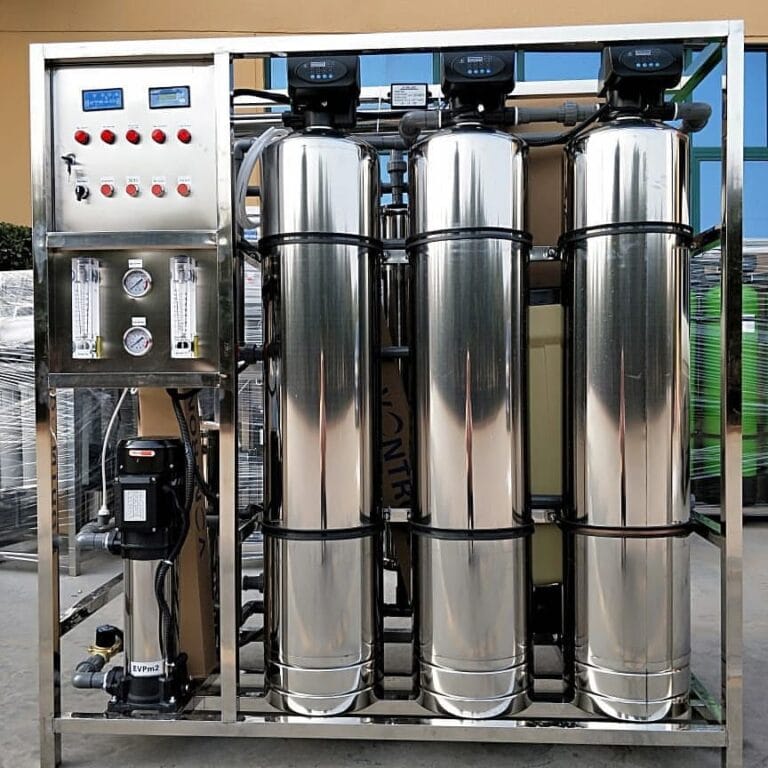
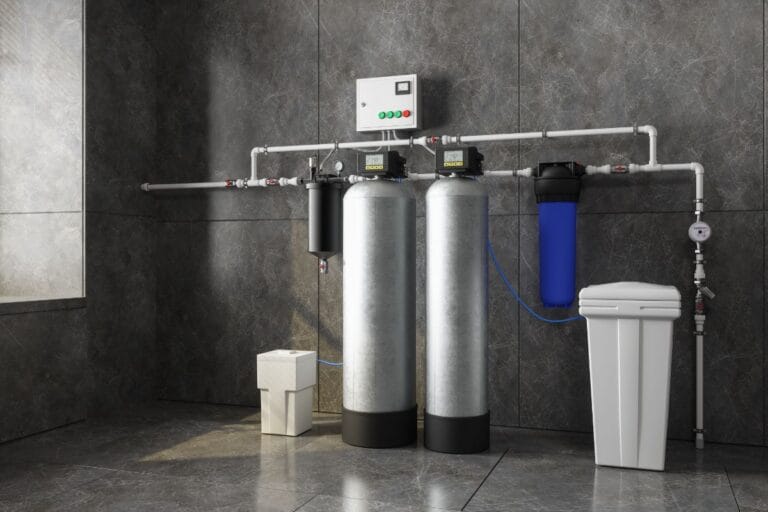
How Water Purification Systems Work: A Complete Guide
How Water Purification Systems Work: A Complete Guide
Looking to buy water purification systems in Kenya? Millions of Kenyan households still rely on untreated or inconsistently purified water, with recent statistics from the Ministry of Water and Sanitation revealing that only 59% of Kenyans have access to safely managed drinking water. Whether you’re addressing borehole contamination, municipal inconsistencies, or scaling commercial operations, investing in a tested, high-capacity purification system is no longer optional—it’s a strategic necessity for homes, businesses, and institutions alike.
At Axiom Water Technologies, we engineer water purification systems designed for reliability, compliance, and long-term efficiency. Our solutions—ranging from compact residential units to industrial-grade RO systems—ensure consistent access to clean, potable water while reducing operational risks tied to waterborne diseases, equipment corrosion, or costly downtime. Buy water purification systems in Kenya that meet international quality benchmarks and are backed by professional support, robust warranties, and real-time monitoring technology.

What Is Water Purification?
Water purification is the process of removing harmful physical, chemical, and biological contaminants from water to make it safe for drinking, commercial use, or industrial operations. This process is essential in regions facing water quality challenges—especially in Kenya, where untreated water can pose serious health risks.
Common water quality issues in Kenya include:
Microbial contamination (e.g., E. coli, coliform bacteria)
Turbidity and suspended solids from runoff
High fluoride and iron levels, especially in borehole water
Salinity in coastal regions
Agricultural chemicals such as pesticides and nitrates
Unpleasant taste and odor due to chlorine, decay, or organic matter
Modern water purification systems use advanced multi-stage filtration technologies—such as UV sterilization, activated carbon, and reverse osmosis—to target and eliminate specific contaminants. Whether you’re in Nairobi, Kisumu, or Mombasa, buying a water purification system in Kenya ensures access to clean, safe, and great-tasting water for your home or business.
Why Water Purification Matters in the Kenyan Context
Investing in water purification systems in Kenya is no longer optional—it is a strategic necessity across residential, commercial, and institutional sectors. The country faces a unique intersection of environmental, infrastructural, and public health challenges that directly impact water safety and usability. Below, we break down the key drivers of demand and the benefits of implementing advanced purification solutions.
1. Urban Water Supply Is Treated, But Often Inadequately
Municipal water in cities like Nairobi, Kisumu, and Nakuru is typically chlorinated at the source. However, outdated infrastructure, pipe leaks, and secondary contamination often introduce bacteria, viruses, and sediments by the time water reaches the end user. This makes point-of-use purification essential to meet WHO safety thresholds.
Use Case: Residential apartment blocks, office complexes, and gated communities benefit from centralized or under-sink filtration systems to guarantee drinking-grade water.
2. Borehole Water Has High Fluoride, Iron, and Hardness
In peri-urban and rural Kenya, many households and businesses rely on borehole water. Yet boreholes often yield water with excess fluoride (linked to dental and skeletal fluorosis), iron (which stains fixtures and appliances), and mineral hardness that damages plumbing and equipment.
Use Case: Schools, farms, and clinics can mitigate health risks and protect infrastructure with multi-stage RO systems fitted with fluoride and iron filters.
3. Surface and Rainwater Sources Are Exposed to Chemical Runoff
Water sourced from rivers, dams, or rain harvesting tanks is highly vulnerable to agricultural chemicals, industrial waste, and environmental pollutants. Runoff during the rainy season can lead to spikes in turbidity, pesticide presence, and pathogen loads—none of which are visible to the naked eye.
Use Case: Homeowners and eco-lodges using harvested rainwater should install systems with activated carbon, sediment filters, and UV sterilization for safe consumption.
4. Water Vending Enterprises Must Meet KEBS & Public Health Regulations
As the water vending industry grows across Kenya, entrepreneurs are required to meet strict quality benchmarks. KEBS and public health officers routinely inspect source quality, purification steps, and storage safety. Failure to comply leads to shutdowns or rejected licensing.
Use Case: Water vending stations, bottling plants, and refilling kiosks must invest in commercial-grade purification systems with regular water testing, documented processes, and preventive maintenance plans.
5. Public Institutions Are Legally Accountable for Safe Water
Institutions such as schools, hospitals, and government offices are held to public health standards that mandate safe drinking water for students, patients, and staff. Unsafe water supply not only causes outbreaks but also exposes these facilities to legal and reputational risks.
Use Case: A centralized water purification system—combined with periodic laboratory testing—helps institutions demonstrate due diligence and regulatory compliance.
Why Trust Axiom Water Technologies?
Whether you’re securing your household, launching a water business, or managing a high-traffic facility, your water solution must be technically sound, locally relevant, and fully compliant. That’s why customers across the country choose to buy water purification systems in Kenya from Axiom Water Technologies.
We bring:
Over a decade of domain expertise in Kenyan water profiles
Custom-designed systems for different regions (e.g., coastal, high fluoride, high turbidity zones)
Professional installation, water testing, and full lifecycle maintenance
Compliance-ready documentation and technical support
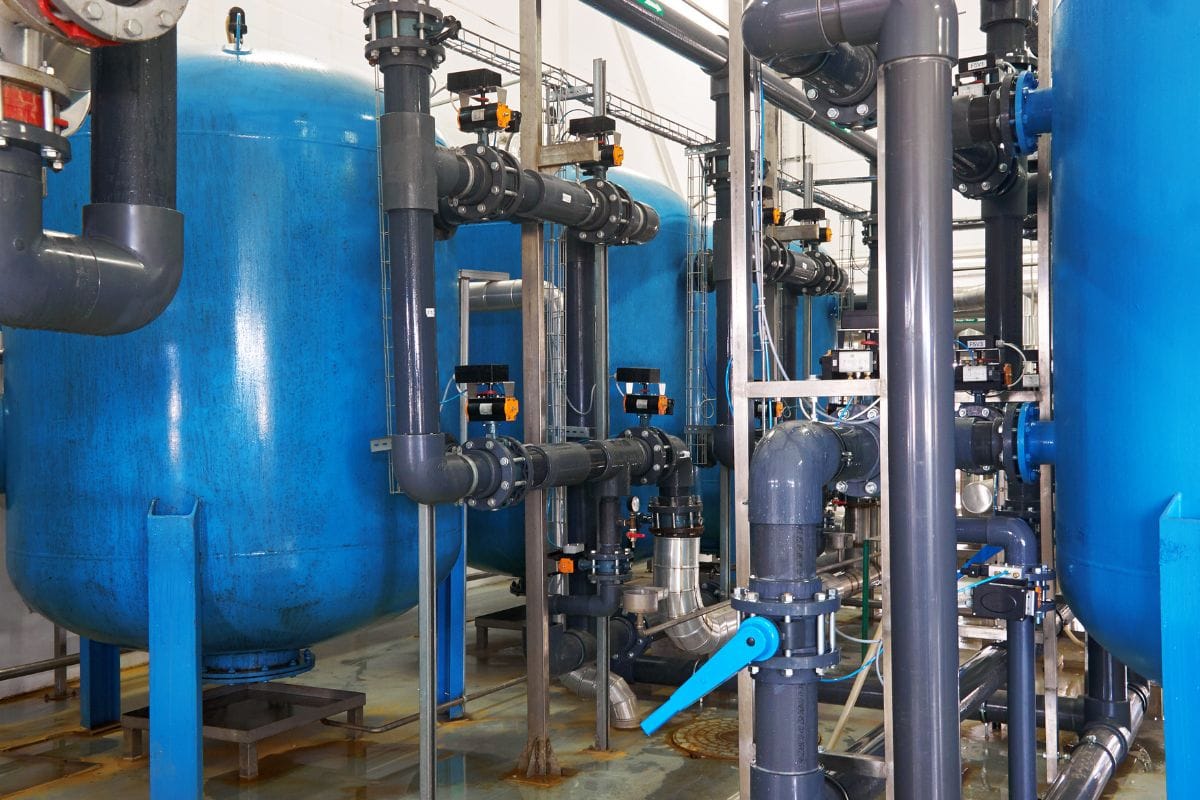
If you’re looking to buy water purification systems in Kenya, this guide will help you understand exactly what each component does—and why it’s critical to the safety and reliability of your water supply.
Step 1: Sediment Pre-Filtration – The First Line of Defense
This is the initial stage in nearly all purification systems, particularly important in Kenya, where water sources like boreholes and rivers often contain high levels of visible and suspended matter.
What It Does:
Captures sand, silt, rust, and dirt
Prevents clogging and early degradation of downstream components
Prepares water for finer filtration stages
Technical Specs:
Uses 5-micron or 10-micron sediment cartridges
Often housed in transparent filter housings for easy visual monitoring
Why It Matters in Kenya:
Sediment levels in raw water vary across regions. For example, rural and peri-urban boreholes often have high turbidity due to soil erosion and substandard casing, while urban rainwater harvesting systems are vulnerable to debris during the rainy season.
If you’re planning to buy water purification systems in Kenya for borehole or river water, always ensure sediment filtration is included as a foundational step.
Step 2: Activated Carbon Filtration – Removing Chemicals, Odors, and Toxins
Once sediment is removed, the water flows through an activated carbon filter, which absorbs a broad spectrum of chemical pollutants.
What It Does:
Eliminates chlorine, which is commonly used in municipal water treatment
Removes volatile organic compounds (VOCs), pesticides, and herbicides
Improves taste, odor, and clarity of water
Technology:
Uses granular activated carbon (GAC) or carbon block filters
May be coupled with KDF media to target heavy metals
Why It Matters in Kenya:
Urban water in cities like Nairobi and Kisumu often contains residual chlorine, which may exceed safe taste thresholds. Rural areas face agricultural runoff containing herbicides and pesticides, especially in farming regions like Eldoret and Nakuru.
For those who buy water purification systems in Kenya for domestic or light commercial use, this stage ensures not just safe—but palatable—water output.
Step 3: Reverse Osmosis (RO) Membrane – Deep Molecular Filtration
This is the core purification stage, especially for systems designed to handle high contamination levels.
What It Does:
Forces water through a semi-permeable membrane at high pressure
Removes up to 99% of dissolved solids including:
Fluoride
Lead
Nitrates
Sulfates
Sodium
Blocks bacteria, viruses, and protozoa
Technical Notes:
Requires a booster pump for optimal membrane pressure
May include auto-flush systems to extend membrane life
Wastewater (reject water) is diverted for safe disposal or reuse
Why It Matters in Kenya:
Kenya’s groundwater, particularly in Rift Valley and Eastern regions, is known for excess fluoride and salinity. RO is the only proven technology for long-term fluoride control and desalination in small to mid-scale systems.
If you operate a school, clinic, or hospitality facility and want to buy water purification systems in Kenya that meet public health standards, RO is an essential component.
Step 4: UV Sterilization – Chemical-Free Disinfection
For applications requiring microbiologically safe water, UV disinfection is added to the system as a final safeguard.
What It Does:
Emits UV-C light to destroy the DNA of:
Bacteria (e.g., E. coli, Salmonella)
Viruses (e.g., Rotavirus, Hepatitis A)
Protozoa (e.g., Giardia, Cryptosporidium)
Does not alter taste, smell, or chemical composition
Technical Considerations:
Requires stable voltage and regular lamp replacement
Best used in conjunction with pre-filtration for maximum transparency and effectiveness
Why It Matters in Kenya:
In areas prone to cholera outbreaks, or for sensitive sectors like healthcare and education, UV is a reliable, non-chemical disinfection method that supports compliance and minimizes health risks.
Looking to buy water purification systems in Kenya for a hospital, school, or water vending business? Include UV sterilization to meet KEBS and county health requirements.
Step 5: Post-Filtration or Mineralization – Final Water Conditioning
Some systems include a final stage to balance pH or remineralize the water before consumption.
What It Does:
Adds essential minerals like calcium and magnesium
Balances alkalinity, especially after RO, which tends to produce acidic water
Provides a “polishing” effect that enhances taste
Popular Add-Ons:
Mineral cartridges or alkaline filters
TCR post-carbon filters for final chlorine and odor removal
Why It Matters in Kenya:
In areas where people depend on RO-treated water for daily use, mineralization restores vital nutrients lost during filtration—especially important for long-term health in households and food service businesses.
Households and cafés that buy water purification systems in Kenya with mineral filters often report better taste and increased user satisfaction.

Types of Water Purification Systems You Can Buy in Kenya
Selecting the right system requires an understanding of your water source, usage volume, and target contaminants. At Axiom Water Technologies, we provide tailored systems to match the needs of residential homes, institutions, water vending businesses, and industrial operations across Kenya.
Below is a detailed comparison of the core purification systems available:
System Type | Typical Applications | Key Features & Benefits |
|---|---|---|
| Reverse Osmosis (RO) Systems | Homes, clinics, water vending businesses, offices | – Removes fluoride, heavy metals, salts, and microorganisms – Provides up to 99% purification – Ideal for borehole water, especially in fluoride-prone areas |
| Ultrafiltration (UF) Systems | Schools, offices, small factories, rainwater harvesting setups | – Removes suspended solids, turbidity, and bacteria – Retains essential minerals – Functions without electricity; ideal for low-TDS water |
| UV Disinfection Units | Laboratories, hospitals, restaurants, pharmaceutical use | – Kills bacteria, viruses, protozoa with no chemicals – Maintains natural taste and mineral content – Compact and easy to integrate with other systems |
| Activated Carbon Filtration Units | Homes, schools, retail outlets | – Eliminates chlorine, organic compounds, pesticides – Improves taste, odor, and color – Often used as a pre- or post-treatment stage |
| Chemical Dosing and Pre-Treatment Kits | Industrial boreholes, cooling towers, agricultural operations | – Adjusts pH, removes iron, controls scaling and corrosion – Critical for system longevity and water balance – Includes dosing pumps, tanks, and control panels |
How to Choose the Right Water Purification System for Your Needs
When looking to buy water purification systems in Kenya, it’s critical to select a solution based on the specific characteristics of your water source, usage demands, and regulatory requirements. An off-the-shelf approach often results in inefficiency, compliance issues, or long-term operational costs.
Here are the key factors to evaluate:
1. Water Source
Different water sources have unique treatment requirements:
Borehole water: Often contains excess fluoride, iron, or hardness
Municipal supply: May have residual chlorine, sediments, or microbial risks
River or surface water: Vulnerable to agricultural and industrial runoff
Rain-harvested water: Typically low in TDS but may contain organic matter or particulates
2. Contaminant Profile
Testing your water helps identify:
Microbiological contaminants (e.g., E. coli, coliforms)
Heavy metals such as lead, mercury, and arsenic
Excess minerals like fluoride, iron, and manganese
Turbidity or suspended solids
Chemical residues from agriculture or industrial discharge
3. Usage Volume and Application
Your system design will differ based on your use case:
Residential households: Require low-flow, compact systems
Water vending businesses: Need high-volume RO systems with storage
Educational or healthcare institutions: Require microbial sterilization (e.g., UV systems)
Industrial setups: May involve pre-treatment, chemical dosing, or custom process water solutions
4. Compliance and Certification Requirements
Axiom systems are designed to meet or exceed regulatory standards such as:
KEBS (Kenya Bureau of Standards) product and quality requirements
Ministry of Health (MOH) water safety guidelines
County health and sanitation departments for commercial or public applications
ISO certification for manufacturing and institutional use
Invest in the Right System with Axiom Water Technologies
A purification system is only as effective as its design, installation quality, and ongoing maintenance. At Axiom Water Technologies, we deliver end-to-end solutions—not just equipment.
Whether you’re a homeowner in Nairobi, a manufacturer in Thika, or a vending business in Mombasa, we’ll help you buy a water purification system in Kenya that meets your specific water challenges while ensuring long-term reliability and compliance.
Where to Buy Water Purification Systems in Kenya
When investing in a water purification system, the supplier you choose is just as important as the equipment itself. Beyond the product, you need technical reliability, tailored system design, compliance assurance, and responsive local support. That’s what sets Axiom Water Technologies apart.
We offer engineered water purification solutions designed for the unique environmental and infrastructural realities in Kenya—serving residential, commercial, institutional, and industrial clients.
Why Choose Axiom Water Technologies?
1. Custom Water System Design
Each system is configured based on your specific water source (e.g., borehole, municipal, rain-harvested, or river), usage volume, site layout, and contaminant profile. No generic configurations—only targeted solutions that perform.
2. Professional Installation Services
Our certified installation team adheres to manufacturer and KEBS specifications, ensuring your system is installed correctly, leak-free, and fully operational from day one.
3. Preventive Maintenance Programs
We offer scheduled servicing to maintain operational efficiency, extend system lifespan, and avoid non-compliance or costly downtime—especially critical for schools, clinics, and water vending businesses.
4. Certified Water Testing and Output Validation
We provide on-site water quality testing both before and after installation. All systems are tested to meet WHO and KEBS standards, particularly for fluoride levels, microbial safety, and chemical contaminants.
5. Local Supply of Spare Parts and Consumables
All essential components—including RO membranes, UV lamps, activated carbon filters, sediment cartridges, and valves—are stocked locally. This minimizes lead time for replacements or upgrades.
National Coverage with Full Technical Support
We serve all counties across Kenya—from Nairobi and Mombasa to Eldoret, Kisumu, Nakuru, and beyond. Our team offers fast system deployment, training, and long-term service support, ensuring consistent performance in both urban and remote locations.
Explore our systems or request a custom quote to begin your journey to safe, compliant, and consistently clean water.
Cost of Water Purification Systems in Kenya
The cost of water purification systems in Kenya depends on several key variables, including the type of water source, target contaminants, intended usage (residential, commercial, industrial), and purification capacity. System configuration—such as inclusion of UV sterilization, reverse osmosis, or chemical dosing—also significantly impacts final pricing.
Below is a general price range based on common application categories:
| Application Type | Typical System Type | Estimated Cost (KES) |
|---|---|---|
| Residential Use | RO System (50–75 GPD) | 20,000 – 45,000 |
| Commercial Premises | RO + UV System (100–300 GPD) | 70,000 – 200,000 |
| Industrial Operations | Custom RO Plant (site-specific) | 300,000+ |
| Water Vending Business | RO + Pre/Post Filters + UV | 150,000 – 400,000+ |
Note: These estimates are indicative. Actual pricing is determined after technical evaluation, including on-site inspection, water quality testing, and capacity analysis.
At Axiom Water Technologies, we conduct professional water assessments and design custom systems based on your exact specifications—ensuring optimal performance, cost-efficiency, and regulatory compliance.
Common Mistakes to Avoid When You Buy Water Purification Systems in Kenya
When you buy water purification systems in Kenya, avoiding common pitfalls can save you time, money, and performance failures. Here are five costly mistakes to watch out for:
1. Ignoring Source Water Testing
Before you buy water purification systems in Kenya, it’s essential to understand what you’re trying to remove. Without proper water quality analysis, you risk investing in the wrong technology. Whether you’re dealing with hard water, biological contamination, or industrial pollutants, diagnosis must precede purification. Skipping this step leads to inefficient treatment and poor long-term performance.
2. Buying Non-Certified Systems
Imported units without proper certifications may look appealing, but most lack the durability and safety assurance required for Kenyan conditions. These knock-offs often fail within months, costing more in replacements and repairs. Always insist on certified systems from reputable suppliers when looking to buy water purification systems in Kenya.
3. No Installation Plan
Many buyers overlook the importance of professional installation. A poorly executed DIY setup can compromise system pressure, bypass essential filtration stages, or even void the warranty. To ensure full functionality, work with trained technicians who understand plumbing codes and equipment requirements.
4. Skipping Maintenance Contracts
Water systems aren’t “install and forget” solutions. Filters clog, membranes degrade, and UV lamps lose intensity. Neglecting scheduled maintenance significantly reduces water quality and system lifespan. When you buy water purification systems in Kenya, confirm the availability of reliable service plans for ongoing performance.
5. Underestimating Usage Needs
Choosing a system that’s too small for your daily consumption will push the unit beyond its limits, causing premature breakdowns. Always assess household or commercial demand accurately before purchase. A correctly sized system ensures efficiency, reliability, and cost-effectiveness in the long term.
Maintenance Practices for Water Purification Systems
When you buy water purification systems in Kenya, proper maintenance is essential to ensure longevity, safety, and performance. Below are the key areas to focus on:
1. Replace Filters and Membranes Regularly
Filters and membranes are the backbone of any purification system. Sediment filters, carbon filters, and RO membranes must be replaced according to the manufacturer’s specifications—typically every 6 to 12 months. Failure to do so compromises water quality and system efficiency.
2. Clean the System and Sanitize Tanks
Regular cleaning prevents microbial buildup and scaling, especially in systems that include storage tanks. Periodic flushing with approved sanitizing agents maintains hygiene and water purity.
3. Inspect UV Lamps and Quartz Sleeves
UV-based systems rely on functioning lamps and clean quartz sleeves. UV lamps typically require replacement every 9,000–12,000 hours of use. A cloudy quartz sleeve reduces disinfection effectiveness and should be cleaned or replaced when necessary.
4. Monitor Water Pressure and Flow Rates
High or low pressure can damage internal components or reduce purification efficiency. Pressure gauges and flow meters help detect abnormalities early—preventing costly repairs.
5. Schedule Professional Maintenance
While some maintenance tasks are DIY-friendly, it’s advisable to have a certified technician inspect and service the unit quarterly or biannually. This ensures all parts are functioning optimally and extends the unit’s lifespan.
6. Keep Spare Parts and Consumables on Hand
Having essential spares—such as filter cartridges, O-rings, and connectors—readily available ensures downtime is minimized during maintenance.
FAQs – Buy Water Purification Systems in Kenya
Looking to buy water purification systems in Kenya? Our frequently asked questions section addresses common concerns about installation, maintenance, cost, and system types. Get quick, reliable answers to help you make an informed purchase decision.
1. What is the Best Water Purification System in Kenya for Home or Business Use?
The best water purification system depends on your specific water quality, usage needs, and budget. For households, compact RO (Reverse Osmosis) units or UV purifiers are ideal for treating municipal or borehole water. For institutions, schools, and industrial settings, high-capacity systems like 500 LPH to 10,000 LPH RO Systems offer reliable performance.
2. How Often Should I Service My Water Purification System?
Regular maintenance is essential for optimal performance. Basic servicing such as filter replacement should be done every 6–12 months, depending on water quality and system usage. UV lamps typically need replacing annually, while membrane cleaning or replacement depends on TDS levels and system type.
We provide professional servicing across Kenya for all RO and UV systems. Contact us to schedule a maintenance check.
3. Do RO Systems Work Effectively with Borehole Water in Kenya?
Yes, RO systems are among the most effective technologies for treating borehole water, which often contains high levels of dissolved salts, fluoride, iron, and microbial contaminants. However, pretreatment such as sediment filtration or iron removal may be necessary to protect the RO membrane.
For customized advice and system sizing, browse our industrial RO systems designed for Kenyan borehole conditions:
Buy water purification systems in Kenya Today from Axiom Water Technologies.
4. What’s the Cost of a Commercial Water Purification System in Kenya?
Prices vary based on system capacity, features, and whether installation and accessories (such as storage tanks or dosing pumps) are included. Entry-level commercial units start around KES 80,000, while large-capacity systems (e.g., 1000–10,000 LPH) can cost several hundred thousand shillings.
We offer competitive pricing and expert installation services. For accurate quotes, please contact us directly or request a quotation from our product pages.
5. How Long Does Installation Take and What is Required?
Typical RO or UV systems can be installed within 1–2 working days. Installation requires basic plumbing access, power supply, and space for the system components. For industrial setups, site assessments may be needed before delivery.
Our team provides full installation and commissioning support across all counties in Kenya.
6. Is it Safe to Drink Water from a Purification System?
Absolutely. When properly installed and maintained, certified purification systems remove bacteria, viruses, heavy metals, and chemical contaminants. RO and UV systems in particular are designed to meet WHO and KEBS safety standards for drinking water.
To ensure safety, always work with certified technicians and reputable suppliers. Browse our trusted range of water purification systems in Kenya.
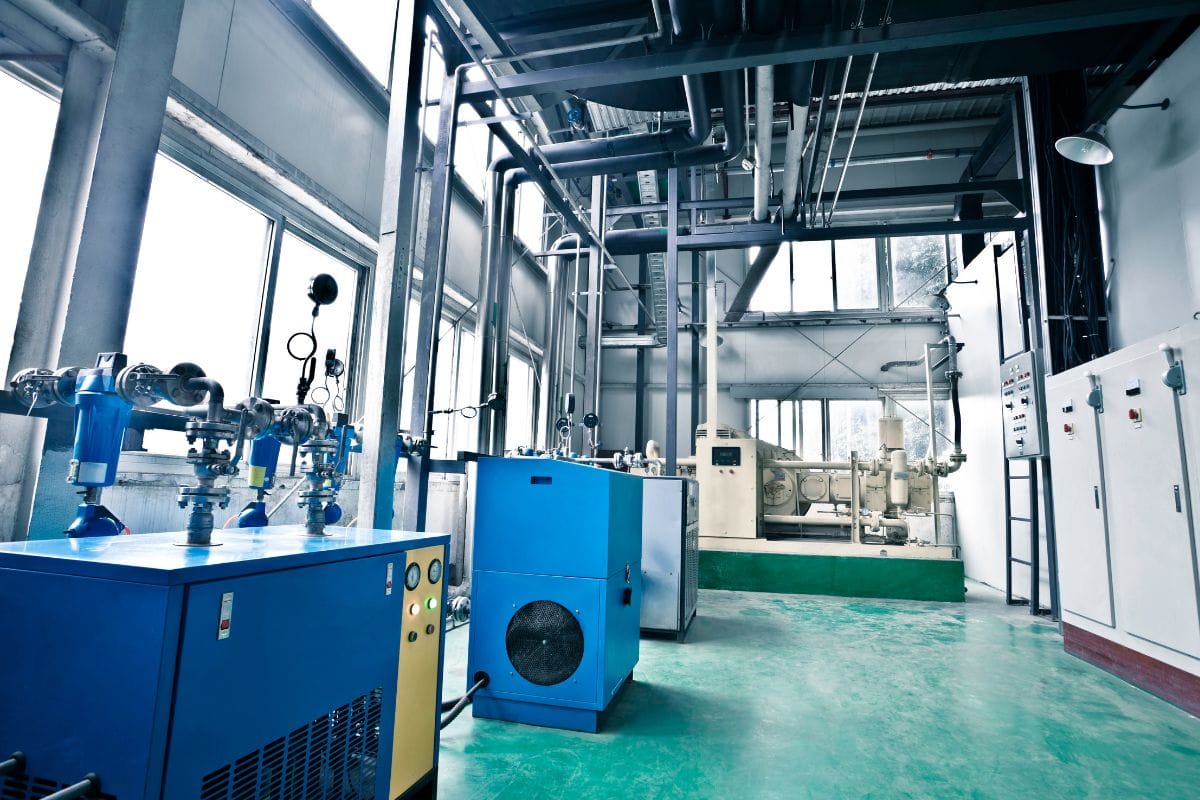
Buy Water Purification Systems in Kenya from Axiom Water Technologies
Ensure safe, clean, and reliable water for your home or business with our advanced water purification systems. Engineered for performance and durability, our systems are ideal for residential, commercial, and industrial use across Kenya. We offer tailored solutions that remove impurities, improve taste, and meet regulatory water quality standards. Buy water purification systems in Kenya today and enjoy trusted technology, expert support, and nationwide delivery.
Contact Us today
- Call: +254702633900
- Email: info@axiomwatertechnologies.co.ke
- Location: Toll Station Near Kimbo-Ruiru
- Operating: Monday-Friday 8:00Am-6:00 PM
- Contact us today to order or request a quotation or to speak with us.
Axiom Water Technologies Product Categories
Quickly navigate to different product categories below: