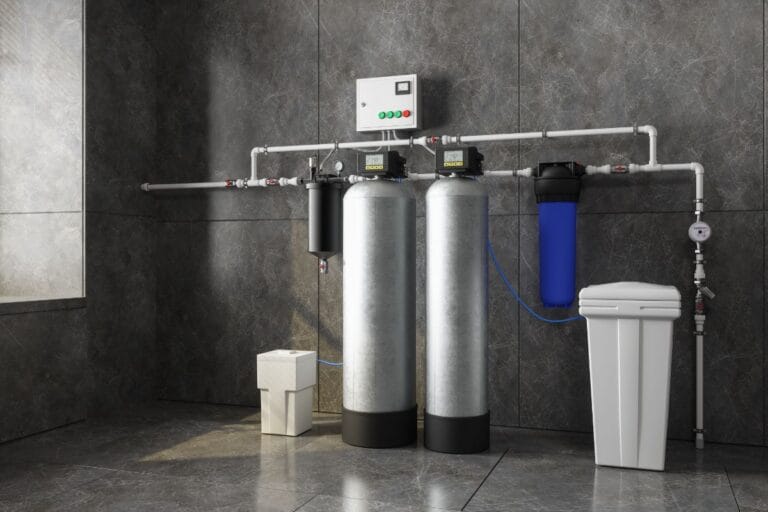
RO System Prices in Kenya

Clean, safe water is essential — and at Axiom Water Technologies, we deliver high-performance Reverse Osmosis (RO) systems designed for real-world use across homes, businesses, and industries in Kenya. Engineered for measurable results and long-term value, our solutions help clients make smarter water decisions every day. If you’re looking to understand RO System Prices in Kenya and what affects them, this guide breaks it all down — from system types and capacity to installation, maintenance, and buying tips:

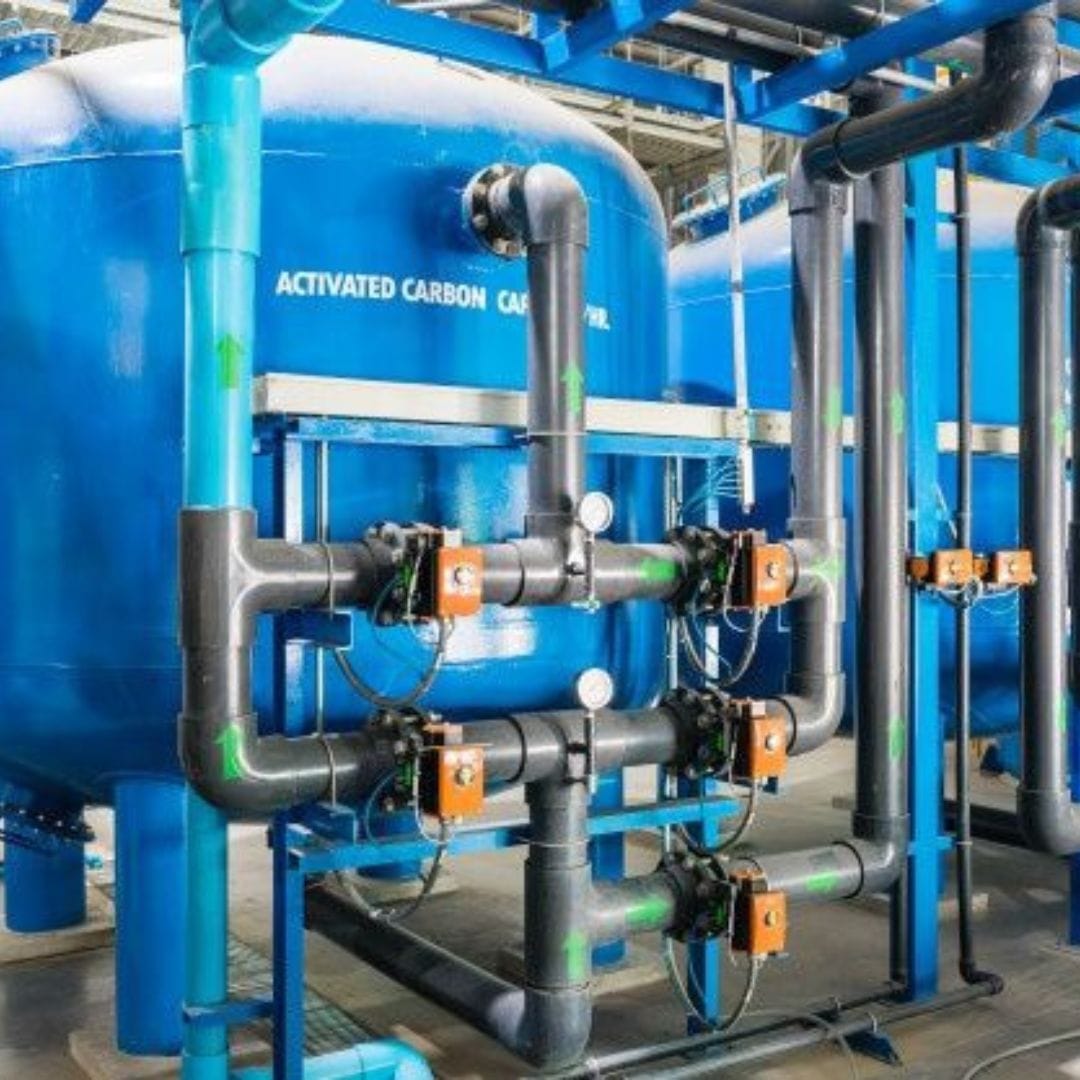
10000 LPH RO SYSTEM

What Determines RO System Prices in Kenya?

Several core factors directly impact the price of an RO system. Whether you need a unit for domestic, commercial, or industrial use, knowing what influences the cost will guide you toward a solution that fits your needs and budget. Below is a breakdown of the main considerations when evaluating RO system pricing in Kenya:

 1. Types of RO Systems and Their Prices in Kenya

RO systems are available in various configurations depending on their intended use — domestic, commercial, or industrial. Each category serves a specific capacity range, comes with distinct technical specifications, and varies in cost based on features, components, and performance demands. Below is a breakdown of common system types and how much you can expect to invest in each:

1. Domestic RO Systems

Domestic units are compact and affordable, perfect for households, small offices, and individual water dispensers. Most have 5–7 stages of filtration and can produce between 50–300 litres per day.

  • Capacity: 50–300 Litres Per Day (LPD)

  • Typical Features: Sediment filter, activated carbon, RO membrane, UV sterilizer (optional)

  • Ideal For: Home kitchens, apartments, home-based businesses

  • Price Range: KES 12,000 – KES 35,000

2. Commercial RO Systems

Commercial systems are designed for medium-scale users that require a continuous water supply throughout the day. These systems have flow rates between 250 to 2000 Litres Per Hour (LPH) and often include automated flushing, dosing systems, and robust pump units.

  • Capacity: 250–2000 Litres Per Hour (LPH)

  • Typical Features: Pre-treatment filters, booster pumps, RO membrane housings, UV or UF modules

  • Ideal For: Restaurants, clinics, car washes, schools, guesthouses

  • Price Range: KES 85,000 – KES 450,000

3. Industrial RO Systems

Industrial RO units are large-scale, high-output systems used in production facilities, hospitals, bottling plants, and other heavy-duty operations. These systems require site assessment and are customized to match flow requirements and raw water quality.

  • Capacity: 3000–20,000+ Litres Per Hour (LPH)

  • Typical Features: Multi-stage filtration, PLC automation, anti-scalant dosing systems, stainless steel frames, energy recovery options

  • Ideal For: Beverage factories, chemical industries, farms, mining operations

  • Price Range: KES 600,000 – KES 5,000,000+


Summary Price Table for RO Systems in Kenya

System TypeTypical CapacityIdeal UsageEstimated Price Range (KES)
Domestic RO Systems50–300 LPDHomes, small offices12,000 – 35,000
Commercial RO Systems250–2000 LPHClinics, restaurants, schools85,000 – 450,000
Industrial RO Systems3000–20,000+ LPHFactories, farms, bottling plants600,000 – 5,000,000+

Note:
Prices listed are estimates. For an accurate quote based on your specific needs, contact Axiom Water Technologies today.

2. Water Source

The quality and type of your incoming water source play a critical role in determining system complexity:

  • Tap Water: Usually requires fewer filtration stages, leading to lower system costs.

  • Borehole or Well Water: Often contains sediments, minerals, and pathogens that require additional treatment steps such as iron removal, UV disinfection, or antiscalant dosing.

  • Saline or Brackish Water: Needs desalination-grade membranes and corrosion-resistant materials. These systems are more complex and expensive due to their advanced filtration demands.

3. Flow Rate and Capacity

RO systems are rated by how much water they can purify, usually in Litres Per Hour (LPH) or Per Day (LPD):

  • Low-flow systems: Suitable for homes or small offices, with flow rates between 50–300 LPH.

  • Mid-range systems: Common in commercial settings, ranging between 500–2000 LPH.

  • High-capacity units: Used in industrial setups, exceeding 5000 LPH.

Larger systems require high-power pumps, bigger membranes, and additional infrastructure — all of which raise the price.

4. Number of Filtration Stages

The filtration process varies depending on desired water purity and source conditions:

  • Standard RO Systems: Include 3–5 stages (sediment, carbon, RO membrane).

  • Advanced Systems: May have 6–8 stages, incorporating features like UV sterilization, ultrafiltration (UF), activated carbon polishing, and remineralization.

Each added stage increases the cost due to the need for more filters, pumps, and monitoring components.

5. Brand and Country of Origin

The origin and manufacturer of system components also influence pricing and reliability:

  • Imported Brands: Components like DOW FilmTec membranes, Grundfos pumps, or Pentair housings are known for durability and performance but come at a higher price point.

  • Locally Assembled Systems: Offer cost savings and easier support, though component quality can vary.

At Axiom Water Technologies, we integrate top-tier international components with Kenyan-built systems for long-term value and superior results.

Comparing Local vs Imported RO Systems: Price and Performance

When choosing an RO system in Kenya, one critical decision is whether to go for a locally assembled unit or a fully imported system. Each option offers distinct advantages depending on your budget, performance expectations, and service needs. The following comparison will help you determine which route offers the best value for your investment:

1. Cost Difference

Locally assembled RO systems are typically 15–30% more affordable than imported units. This is because they are built using a mix of locally sourced frames and plumbing parts, combined with quality components like RO membranes and filters. These systems cater well to budget-conscious buyers who still want efficiency.

Imported systems, on the other hand, often come pre-packaged with integrated technologies, factory certifications, and high-grade components. While they cost more upfront, their extended operational lifespan and advanced features can offer greater long-term value.

2. Quality and Performance

In terms of quality, imported RO systems usually set a global benchmark for reliability, with components that endure long usage cycles, harsh water conditions, and higher flow rates. They feature brand-name membranes, automated controllers, and corrosion-resistant housings.

However, a locally assembled system using premium imported components — like those offered by Axiom Water Technologies — can match or even exceed the performance of many generic imports. Our configurations are designed based on actual Kenyan water profiles, ensuring precise and efficient filtration results.

3. Spare Parts and Service

One of the key challenges with fully imported systems is the availability of replacement parts and technical support. In many cases, system downtimes are prolonged due to delayed shipments or lack of local expertise.

Locally assembled systems backed by professional providers offer a major advantage here. At Axiom Water Technologies, we maintain an inventory of high-demand spare parts and provide fast, countrywide technician support. This reduces downtime and ensures your water system runs efficiently without prolonged disruptions.

Installation and Maintenance Costs of RO Systems in Kenya

Understanding the total cost of ownership for an RO system goes beyond the purchase price. Installation and ongoing maintenance play a critical role in long-term performance and budgeting. The section below outlines the key expenses you should anticipate after purchasing a system:

1. Installation Costs

Installation charges vary based on the type and size of the RO system. For domestic systems, installation typically ranges from KSh 3,000 to KSh 7,000 and involves minimal plumbing and space preparation.

Commercial and industrial RO systems, which are more complex and larger in scale, attract higher installation costs ranging from KSh 10,000 to KSh 50,000. At Axiom Water Technologies, we provide a complete installation package that includes system setup, commissioning support, staff training, and operation manuals to ensure a smooth start.

2. Recurring Maintenance

Routine maintenance is vital for system efficiency and water quality. Filter replacement is the most frequent task, with costs ranging between KSh 2,500 and KSh 15,000 per year depending on usage, water quality, and system capacity.

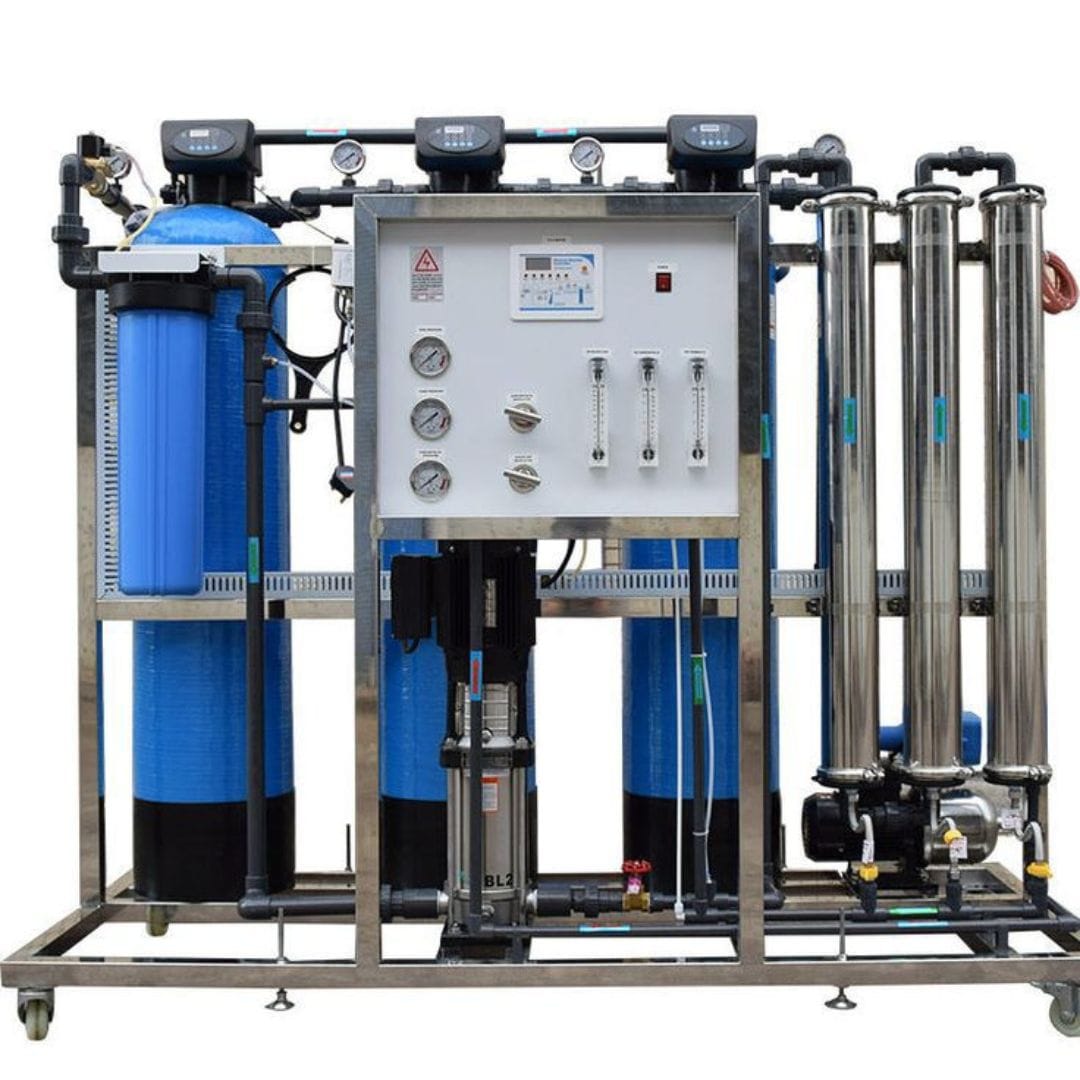
1000 LPH RO SYSTEM

RO membranes, which are the core filtration component, typically require replacement every 2 to 3 years. These cost between KSh 5,000 and KSh 30,000 depending on the membrane size, type, and brand used.

3. Annual Maintenance Contracts (AMC)

To simplify ongoing care and reduce operational risk, Axiom Water Technologies offers flexible Annual Maintenance Contracts (AMC). These plans cover regular inspections, filter changes, membrane condition checks, and emergency support. By opting for an AMC, clients benefit from predictable maintenance costs, minimized downtimes, and extended system lifespan.

Where to Buy Affordable RO Systems in Kenya

Choosing the right vendor ensures you get value for money, genuine parts, and dependable support. Whether you’re looking for a home unit or an industrial-grade system, your source determines system reliability and long-term satisfaction. Below are the main considerations when buying an RO system in Kenya:

1. Trusted Suppliers

Working with reliable suppliers eliminates the risk of counterfeit products and poor after-sales service. Axiom Water Technologies is a leading supplier of affordable and high-performance RO systems in Kenya. We support clients across all 47 counties with genuine components, custom configurations, and expert guidance tailored to local water conditions.

2. Online vs Physical Shops

Buying online is convenient and fast. At Axiom Water Technologies, online customers benefit from doorstep delivery, virtual consultations, and responsive chat support to help select the right system. For those who prefer a physical inspection, our showroom provides hands-on demonstrations and on-site technician assessments, allowing clients to see the technology in action before purchase.

3. Warranty and Customer Support

Warranties are crucial for protecting your investment. Our domestic and commercial RO systems come with a 1-year warranty, while industrial units carry up to 2–3 years warranty coverage. Beyond that, we offer lifetime service support through Annual Maintenance Contracts and on-demand technician visits.

Tips for Getting the Best Value When Buying an RO System

A reverse osmosis system is a long-term investment, so making the right purchase decision goes beyond the initial cost. Knowing what to look for helps you avoid regret, save on maintenance, and ensure the system meets your actual needs. Below are key tips to guide your purchase:

1. Always Start with a Water Test

A professional water test is essential to determine the specific contaminants present in your source. Without it, you risk buying a system that either underperforms or includes unnecessary components. A proper diagnosis ensures the system is correctly sized and fitted with the right filters.

2. Compare Multiple Quotes

Don’t settle on the first offer you receive. Request quotations from different suppliers and make sure each includes all costs—equipment, installation, filtration stages, and warranty terms. Comparing helps you understand market standards and negotiate better.

3. Ask About Hidden Costs

Some systems appear cheap upfront but come with expensive replacement parts or frequent servicing needs. Clarify the lifespan and cost of key components like membranes, pumps, and cartridges. Knowing the full cost of ownership protects you from surprises.

4. Work with Trusted Partners

Partnering with a reputable supplier ensures accountability throughout your system’s life. Axiom Water Technologies provides end-to-end support—from selection and sizing to installation, maintenance, and spare parts—ensuring long-term performance and peace of mind.

Are Cheap RO Systems in Kenya Worth It?

While low-cost RO systems may seem attractive at first glance, their long-term performance and reliability often fall short. Before opting for a budget unit, it’s important to weigh both short-term gains and future risks. The points below will help you decide whether saving now is truly worth it:

1. Budget Systems: Pros and Cons

Cheap RO systems typically come with a lower upfront price and are readily available across various platforms. However, most compromise on quality—using weak membranes, underpowered pumps, and unreliable electrical components. This leads to inconsistent purification, early failure, and limited or no technical support.

2. Smart Compromises

If you’re working within a limited budget, prioritize components that matter most. Choose a simpler system that can be upgraded over time, rather than one packed with features that don’t last. Never compromise on membrane quality or high-pressure pump performance—these directly affect water purity and system longevity.

3. Real Client Feedback

At Axiom Water Technologies, we’ve been called to replace many failed budget systems—often within a year of installation. Our clients who upgrade to our systems consistently report longer service life, fewer breakdowns, and significantly better water quality. Their experiences confirm that a slightly higher initial investment delivers far better long-term value.

Frequently Asked Questions About RO System Prices in Kenya

If you’re considering investing in a Reverse Osmosis system, you’re likely to have a few important questions before committing. Below are the most common inquiries we receive from clients across Kenya — along with straightforward answers to help guide your purchase decision:

1. What’s the average cost of a home RO system?

Home RO systems typically range between KSh 25,000 and KSh 60,000 depending on capacity, filtration stages, automation level, and build materials.

2. Do RO system prices include installation?

Not always. Some suppliers quote equipment only. At Axiom Water Technologies, we offer full packages that include optional installation, training, and commissioning support.

3. Are there ongoing expenses after buying a system?

Yes. Regular expenses include filter and membrane replacements, as well as routine servicing. We provide a clear maintenance plan tailored to your water quality and usage needs.

4. Can I get financing for my RO system?

Yes. We offer flexible installment plans and tailored procurement options for both commercial and industrial customers.

5. What is the lifespan of a typical RO system?

With proper servicing, most RO systems last between 8 to 15 years. Systems with premium components and structured maintenance tend to last longer and perform better over time.

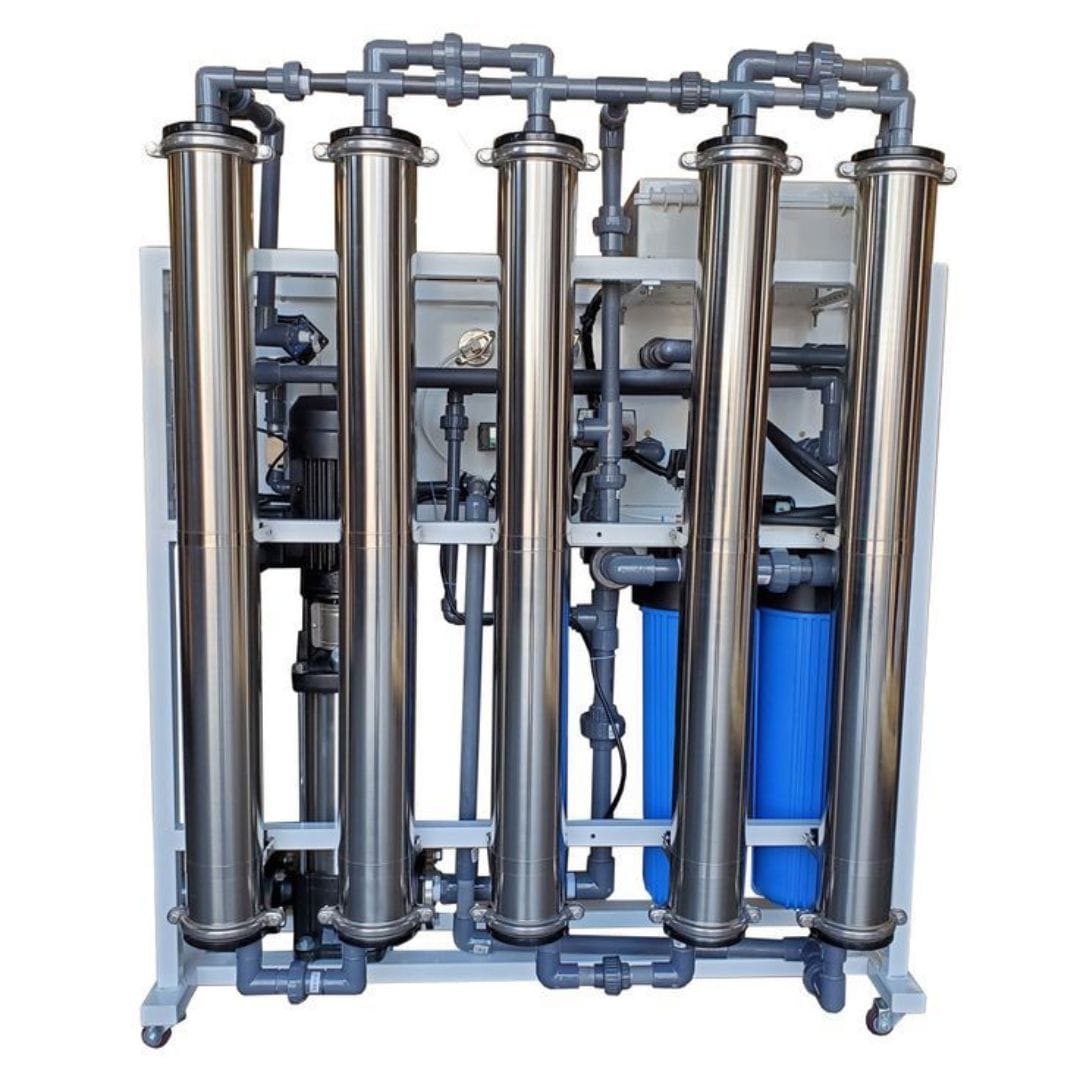
1500 LPH RO SYSTEM

Buy RO Systems with Axiom Water Technologies Today

Looking for water purification that performs in real-world conditions? At Axiom Water Technologies, we help you understand and compare RO System Prices in Kenya with full transparency and expert support. From domestic to industrial applications, our solutions are built to last and tailored for your needs. Don’t settle for generic systems — let’s design the right solution for your home, school, hotel, or factory. RO System Prices in Kenya are more accessible than ever — reach out and let’s start building yours today.

WhatsApp Us