RO Water Systems Kenya

Access to safe, clean water is no longer a luxury—it’s a necessity. At Axiom Water Technologies, we provide cutting-edge RO Water Systems Kenya that empower households, institutions, and industries to make smarter water decisions. Engineered for real-life performance, our solutions deliver measurable results through active use and high-level filtration technology. Whether you’re serving a family, a hospital, or a manufacturing plant, RO Water Systems Kenya offer unmatched safety, efficiency, and reliability.

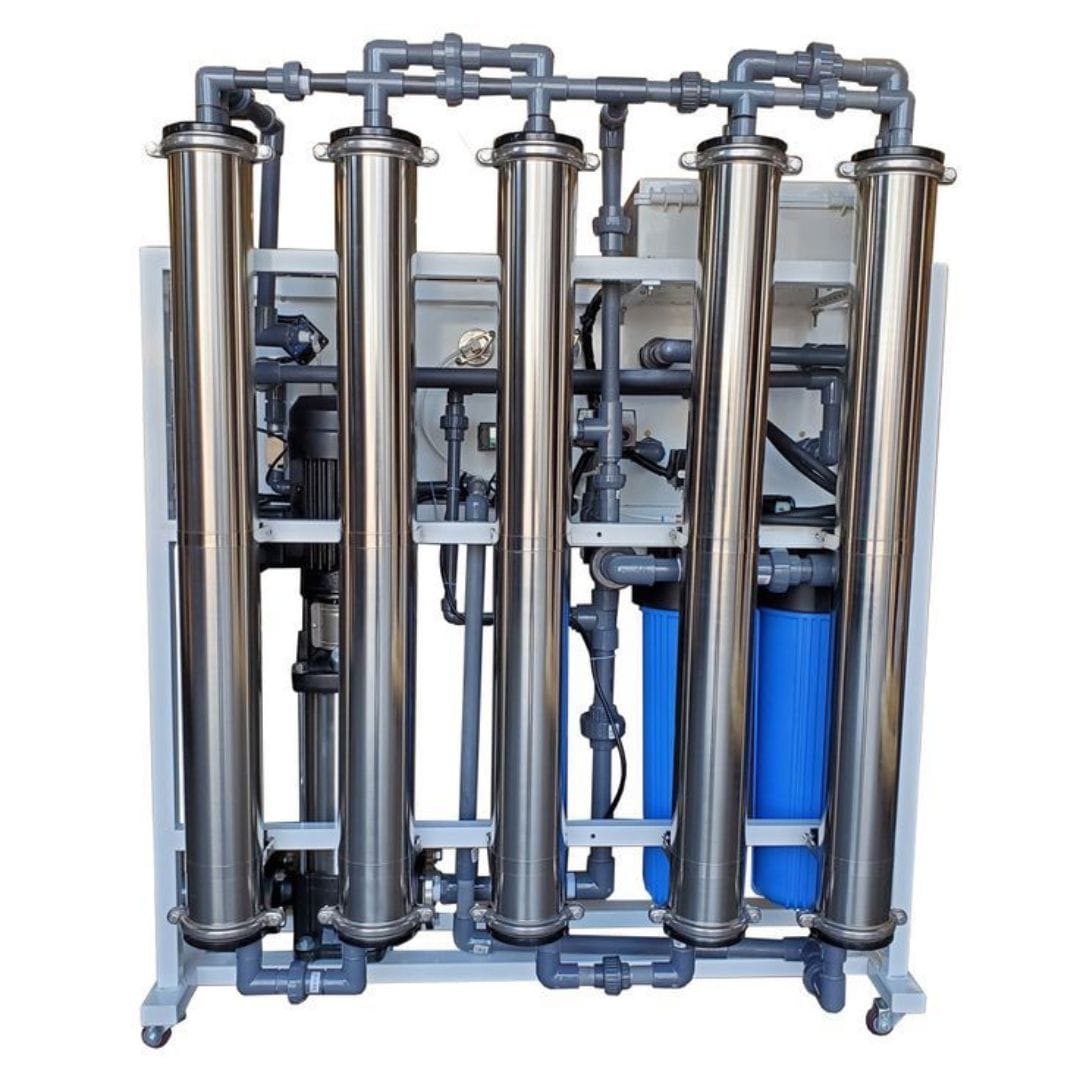
1500 LPH RO SYSTEM

What Are RO Water Systems and How Do They Work?

Understanding how reverse osmosis works helps users appreciate the value and performance of our systems. RO Water Systems Kenya rely on multi-stage filtration to eliminate harmful contaminants, resulting in water that’s safe for human consumption and industrial use.

What is Reverse Osmosis?

Reverse osmosis (RO) is a highly effective water purification technology that removes contaminants from water by forcing it through a semi-permeable membrane. During the process, water molecules are allowed to pass through the membrane, while dissolved salts, heavy metals, bacteria, viruses, and other impurities are blocked and flushed away.

This method of purification is particularly effective for treating hard water, salty borehole water, or water from unreliable sources like rivers and wells. In RO Water Systems Kenya, reverse osmosis is the core technology that powers clean, safe, and palatable water for domestic, commercial, and industrial use. It ensures that the final output is free from harmful pollutants, delivering water that meets both local and international safety standards.

Stages of Filtration

In RO Water Systems Kenya, water purification is achieved through a multi-stage filtration process. Each stage plays a crucial role in removing specific types of contaminants to ensure the final output is safe, clean, and great-tasting. Here’s how the filtration typically works:

1. Sediment Filtration

This is the first line of defense. It removes visible particles like sand, silt, dirt, and rust from the water. Protecting the subsequent filters, the sediment stage extends the life of the entire system.

2. Activated Carbon Filtration

The carbon stage targets chlorine, pesticides, herbicides, and other organic chemicals that affect taste and odor. It also protects the RO membrane from damage caused by harsh chemicals.

3. Reverse Osmosis Membrane

This is the core component of the system. It removes up to 99% of dissolved salts, heavy metals (like lead and mercury), fluoride, nitrates, and microorganisms including bacteria and viruses. The result is ultra-purified water that meets drinking water standards.

4. Post Carbon (Polishing) Filter

Also known as the taste enhancer, this stage gives the purified water a final polish by removing any residual odors or flavors—especially helpful for those sensitive to taste.

5. UV (Ultraviolet) or UF (Ultrafiltration) Disinfection (Optional)

Some RO Water Systems Kenya include a final UV or UF stage for added protection. UV light neutralizes any remaining microorganisms, while UF filters can trap bacteria without the need for electricity.

Typical Contaminants Removed

RO Water Systems Kenya are designed to eliminate a wide range of impurities commonly found in local water sources such as boreholes, rivers, and even municipal taps. These contaminants not only affect taste and appearance but also pose serious health risks if left untreated. Here’s a breakdown of the most common contaminants removed:

1. Dissolved Salts (TDS)

Reverse osmosis effectively removes total dissolved solids (TDS) such as calcium, magnesium, sodium, and sulfates that cause water hardness and scaling.

2. Heavy Metals

RO membranes filter out dangerous heavy metals including:

  • Lead

  • Mercury

  • Arsenic

  • Chromium

  • Cadmium
    These elements are toxic even in small amounts and can lead to chronic health problems.

3. Biological Contaminants

RO Water Systems Kenya can remove bacteria, viruses, protozoa, and cysts. This ensures microbiologically safe drinking water, especially in areas prone to waterborne diseases.

4. Chemicals and Pesticides

Pesticides, herbicides, and industrial solvents are often present in agricultural and surface water. The carbon filters and RO membrane work together to remove these chemical pollutants.

5. Chlorine and Chloramine

Common in treated municipal water, chlorine and chloramine affect the taste, smell, and safety of drinking water. RO systems with carbon pre-filters remove these chemicals efficiently.

6. Nitrates and Fluoride

High levels of fluoride and nitrates are typical in borehole and rural water supplies. RO Water Systems Kenya are proven to reduce these to safe consumption levels.

By removing these contaminants, our systems ensure clean, safe, and reliable water for domestic, commercial, and industrial applications — making smarter water decisions easier for everyone.

Why Choose RO Water Systems in Kenya?

In Kenya, water from taps, rivers, and boreholes often contains harmful substances that pose serious health risks. RO Water Systems Kenya solve these issues at the source:

1. Water Quality Issues in Kenya

Many areas in Kenya face challenges such as:\n- High salinity in borehole water\n- Chlorine and sediment in municipal water\n- Biological contaminants from river sources

2. Health and Wellness Benefits

  • Reduces waterborne diseases\n- Protects vulnerable populations (children, elderly)\n- Encourages consistent water intake

3. Where RO Is Used

  • Homes: For cooking, drinking, and washing\n- Schools & hospitals: For health and safety\n- Industries: For manufacturing and process water

Types of RO Water Systems Available in Kenya

Axiom Water Technologies offers a wide range of RO Water Systems Kenya suited to different user needs—from families to factories.

10000 LPH Seawater RO SYSTEM

1. Domestic RO Systems

  • Under-sink units for kitchens\n- Countertop units for rental apartments

2. Commercial RO Systems

  • Suitable for offices, cafés, and educational institutions\n- High output capacities (50–500 L/hr)

3. Industrial RO Systems

  • Designed for agriculture, bottling plants, and factories\n- Custom configurations available

Key Features to Look for in RO Water Systems Kenya

Not all RO systems are equal. Choosing the right one depends on specific features and technical capabilities. These features include:

1. Filtration Stages

Look for systems with at least four stages including membrane and UV or UF treatment.

2. Daily Output Capacity

Select based on demand:\n- Home: 50–100 L/day\n- Office: 200–500 L/day\n- Industrial: 1000+ L/day

3. Smart Additions

  • TDS controllers to manage mineral content\n- Auto-flush to extend membrane life\n- Leak sensors and alarms

Benefits of Using RO Water Systems in Kenya

RO Water Systems Kenya deliver more than just clean water — they contribute to healthier living, financial savings, and environmental protection. Whether installed in homes, offices, or industrial setups, these systems offer long-term advantages that directly improve quality of life. Here are the most important benefits you can expect:

1. Health and Safety

RO systems provide a frontline defense against harmful contaminants. They remove bacteria, viruses, heavy metals, and chemicals that are often found in untreated water sources like boreholes and rivers. Clean water helps reduce the risk of waterborne diseases, gastrointestinal issues, and long-term health conditions such as kidney damage or heavy metal poisoning.

2. Better Taste and Smell

Unfiltered water often has an unpleasant taste and odor caused by chlorine, sulphur, iron, and dissolved solids. RO Water Systems Kenya eliminate these elements during the filtration process, resulting in clear, refreshing water that tastes great and smells clean — encouraging better hydration habits.

3. Cost Savings

Although there is an initial investment, RO systems lead to significant savings over time. You no longer need to buy bottled water for cooking, drinking, or cleaning, and reduced plumbing issues from scale buildup means fewer maintenance costs. The system pays for itself within months through reduced monthly water expenses.

4. Environmental Impact

Using an RO system significantly reduces your reliance on single-use plastic bottles. This not only cuts down on plastic waste in landfills and waterways but also lowers your carbon footprint from bottled water production and transportation. It’s a simple step with a big environmental benefit.

RO Water System Prices in Kenya: What to Expect

Understanding the price range of RO Water Systems Kenya helps you plan effectively and choose the most suitable system for your home, business, or industry. Pricing varies based on output capacity, filtration stages, and additional features such as UV or TDS controllers. Below is a breakdown of what you can expect when budgeting for your system:

6000 LPH RO SYSTEM.

1. Domestic RO Prices

Domestic RO systems are designed for household use, typically under-sink or countertop units. Prices range between KSh 15,000 to KSh 60,000, depending on the number of filtration stages, daily water output (litres/day), and features such as UV/UF sterilization. Higher-end models offer better build quality and longer-lasting components.

2. Commercial RO Prices

Commercial RO systems cater to offices, restaurants, schools, and small businesses. These systems range from KSh 100,000 to KSh 350,000 based on the daily capacity (ranging from 250 to 2000 litres), number of users, and added automation or pressure boosters. These systems are built for moderate to high usage and offer better reliability and faster recovery rates.

3. Industrial RO Prices

Industrial RO systems are built for large-scale applications such as factories, hospitals, agriculture, and water bottling plants. Prices typically start at KSh 400,000 and can exceed KSh 1 million for custom-engineered units. Cost depends on factors like raw water quality, treatment volume (often 5000 litres per hour or more), pre-treatment equipment, and control systems. These systems are scalable and tailored to specific industrial requirements.

Installation and Maintenance of RO Water Systems

Proper installation and scheduled maintenance ensure your RO system runs efficiently and provides safe, clean water consistently. Neglecting these essential aspects can lead to poor performance, contamination, and costly breakdowns. Below is a clear breakdown of the key installation and maintenance considerations:

1. Installation Requirements

For your RO system to function optimally, certain conditions must be met during setup:

  • Water pressure should be above 40 psi (pounds per square inch). If not, a booster pump is required.

  • Location proximity to a water source, typically under a sink or near a water outlet, is important for accessibility.

  • Electrical supply is essential for systems with UV or UF features to ensure effective sterilization.

2. Filter and Membrane Replacement

RO systems require periodic replacement of their key components to maintain high filtration performance:

  • Sediment and carbon filters should be replaced every 6 to 12 months, depending on usage and water quality.

  • RO membranes typically last between 18 to 36 months, provided the system is well-maintained.

  • UV lamps should be replaced annually to maintain microbial sterilization.

3. Service Contracts

To simplify ongoing maintenance, annual service contracts are highly recommended. These contracts usually include:

  • Regular inspections of pressure, flow rate, and system integrity.

  • Timely replacement of filters and UV lamps.

  • Emergency support to handle leaks, system errors, or performance issues.

A professional service plan helps extend the system’s lifespan and ensures continued water quality.

Where to Buy Quality RO Water Systems in Kenya

Selecting the right supplier is critical to system performance and durability. Axiom Water Technologies is a trusted name in RO Water Systems Kenya.

1. Authorized Suppliers

Avoid cheap imitations—always buy from certified dealers with local service support.

2. What to Ask Before Purchase

  • Does it come with a warranty?\n- What is the after-sale support?\n- Are replacement parts locally available?

3. Online vs. In-Store

Online buying offers convenience, while in-store visits allow inspection and in-person consultation.

Common Challenges and How to Avoid Them

Even the most reliable RO Water Systems in Kenya can encounter performance issues over time. However, understanding these challenges and implementing preventative measures ensures your system continues to deliver safe, purified water without interruption:

1. Low Water Pressure

RO systems require sufficient inlet pressure to function effectively. If water pressure is below 40 psi:

  • Install a booster pump to enhance flow and ensure efficient membrane operation.

  • Check plumbing connections regularly for leaks or blockages that may reduce pressure.

2. Filter Clogging

Over time, filters accumulate debris, which reduces water flow and quality. To avoid clogging:

  • Adhere to service schedules for sediment and carbon filters—typically every 6 to 12 months.

  • Install a pre-filter if your water contains heavy sediments to protect the core filtration stages.

3. Counterfeit Components

Using fake or substandard parts can lead to health risks and equipment damage. To avoid this:

  • Buy from verified suppliers or directly from Axiom Water Technologies.

  • Inspect packaging and labeling to ensure parts are genuine and certified.

Being proactive with maintenance and sourcing ensures your RO system operates efficiently and safely.

Frequently Asked Questions About RO Water Systems Kenya

Answering the most common questions helps prospective buyers make informed decisions about the right system for their needs. Below are the top queries we receive regarding RO Water Systems in Kenya:

1. How long does an RO system last?

With consistent maintenance and proper usage, most RO systems can reliably serve for 8 to 12 years. Regular servicing of filters and membranes extends longevity.

2. Can an RO system treat borehole water?

Yes. RO systems are highly effective for borehole water treatment, especially when paired with pre-treatment units to handle high levels of iron, sediment, or salinity.

3. How often should I change the filters?

Filter replacement depends on water quality and usage:

  • Sediment/carbon filters: Every 6 to 12 months

  • RO membrane: Every 18 to 36 months

4. What’s the ideal RO system for a family of five?

A 12–15 litres per hour (LPH) domestic RO unit with UV or UF disinfection is ideal for a household of five, ensuring consistent access to purified water.

5. Is UV necessary in an RO system?

Yes. UV (Ultraviolet) or UF (Ultrafiltration) stages are essential in killing bacteria and viruses that may pass through the membrane, especially for borehole or untreated water sources.

RO Water Systems for Sale in Kenya

Buy RO Water Systems Kenya with Axiom Water Technologies Today

Make a long-term investment in your health, safety, and productivity. At Axiom Water Technologies, we provide expertly designed RO Water Systems Kenya built for real-life performance and measurable results. Whether you need a domestic, commercial, or industrial solution, our team is here to guide you. RO Water Systems Kenya are just a click away—get started with a free consultation today.

WhatsApp Us