Reverse Osmosis Systems for Schools in Kenya
Reverse Osmosis Systems for Schools in Kenya: A Complete Guide to Safe Drinking Water for Learning Institutions
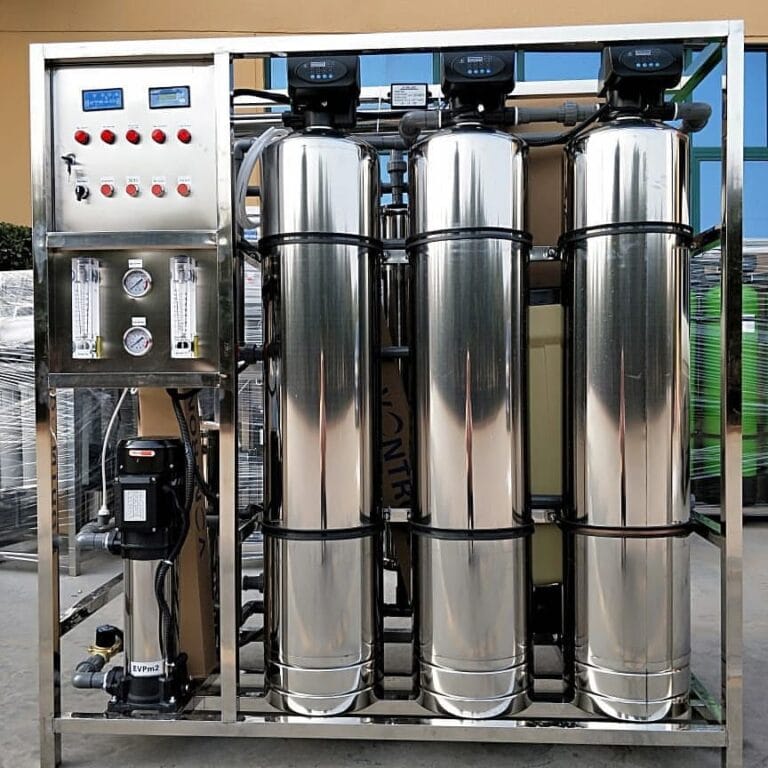
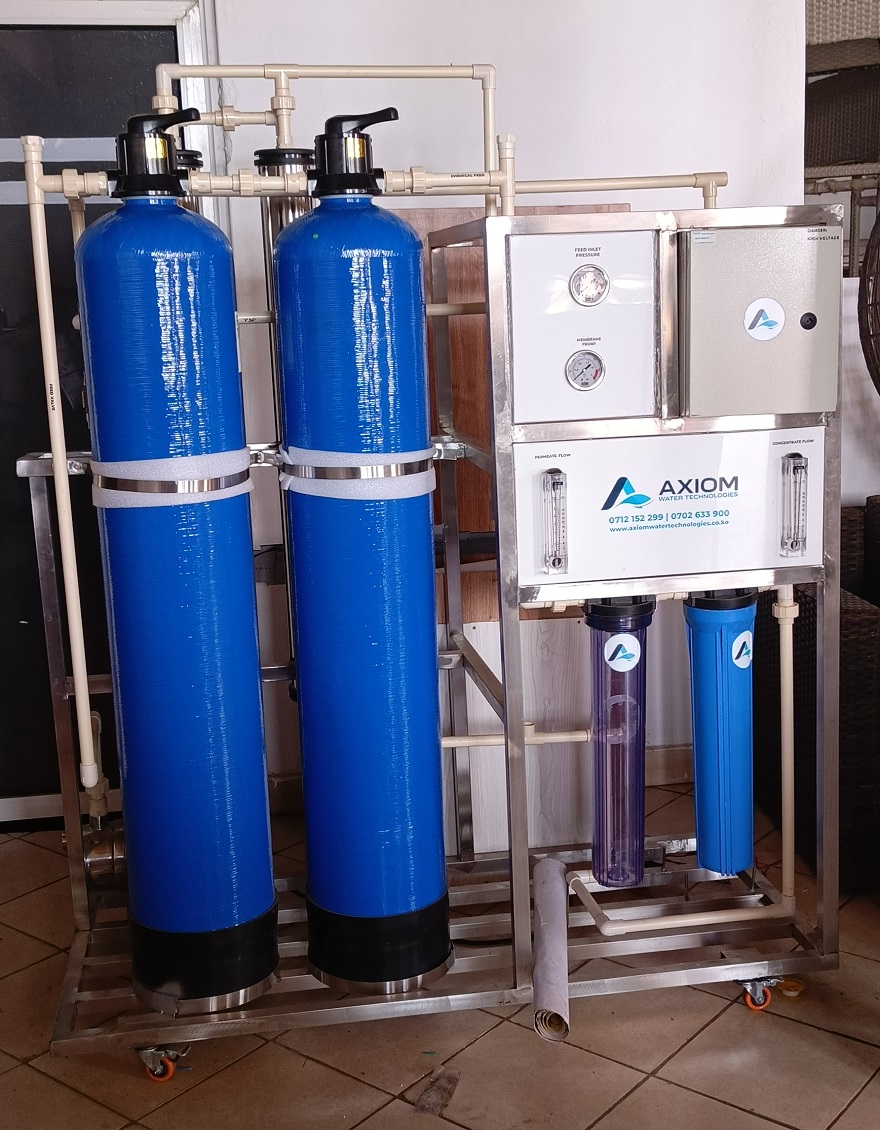
Clean, safe drinking water is no longer a luxury for Kenyan learning institutions. It is a necessity for protecting student health, improving attendance, complying with public health standards, and reducing the long-term cost of buying bottled or delivered water. Investing in reverse osmosis systems for schools in Kenya enables schools, colleges, universities, and training institutions to provide consistently high-quality drinking water, regardless of whether the source is borehole water, municipal supply, or harvested rainwater.
This guide explains how reverse osmosis systems work, why they are ideal for Kenyan schools, the different types available, how to choose the right capacity, expected costs, and what makes Axiom Water Technologies the preferred partner for educational institutions across Kenya.
What are Reverse Osmosis Systems for Schools in Kenya?
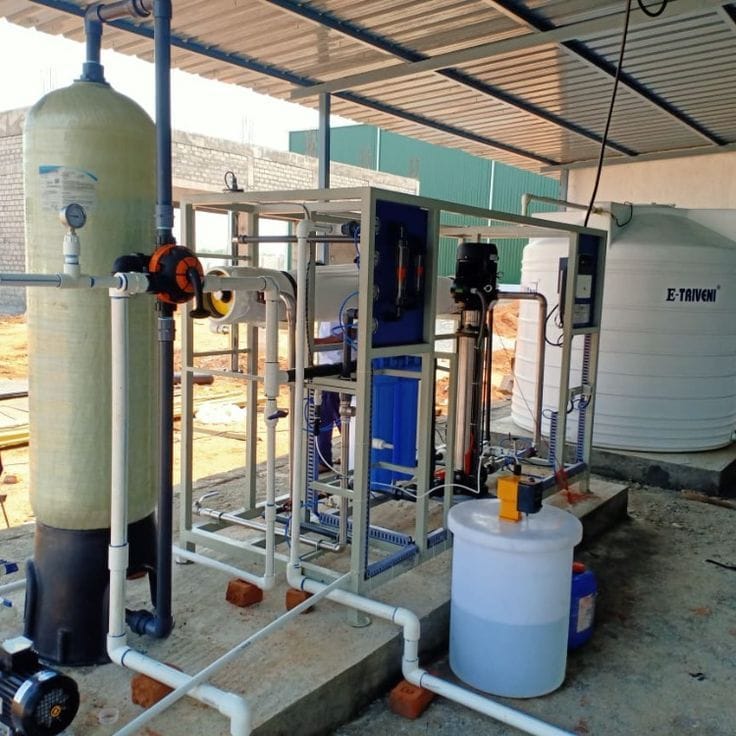
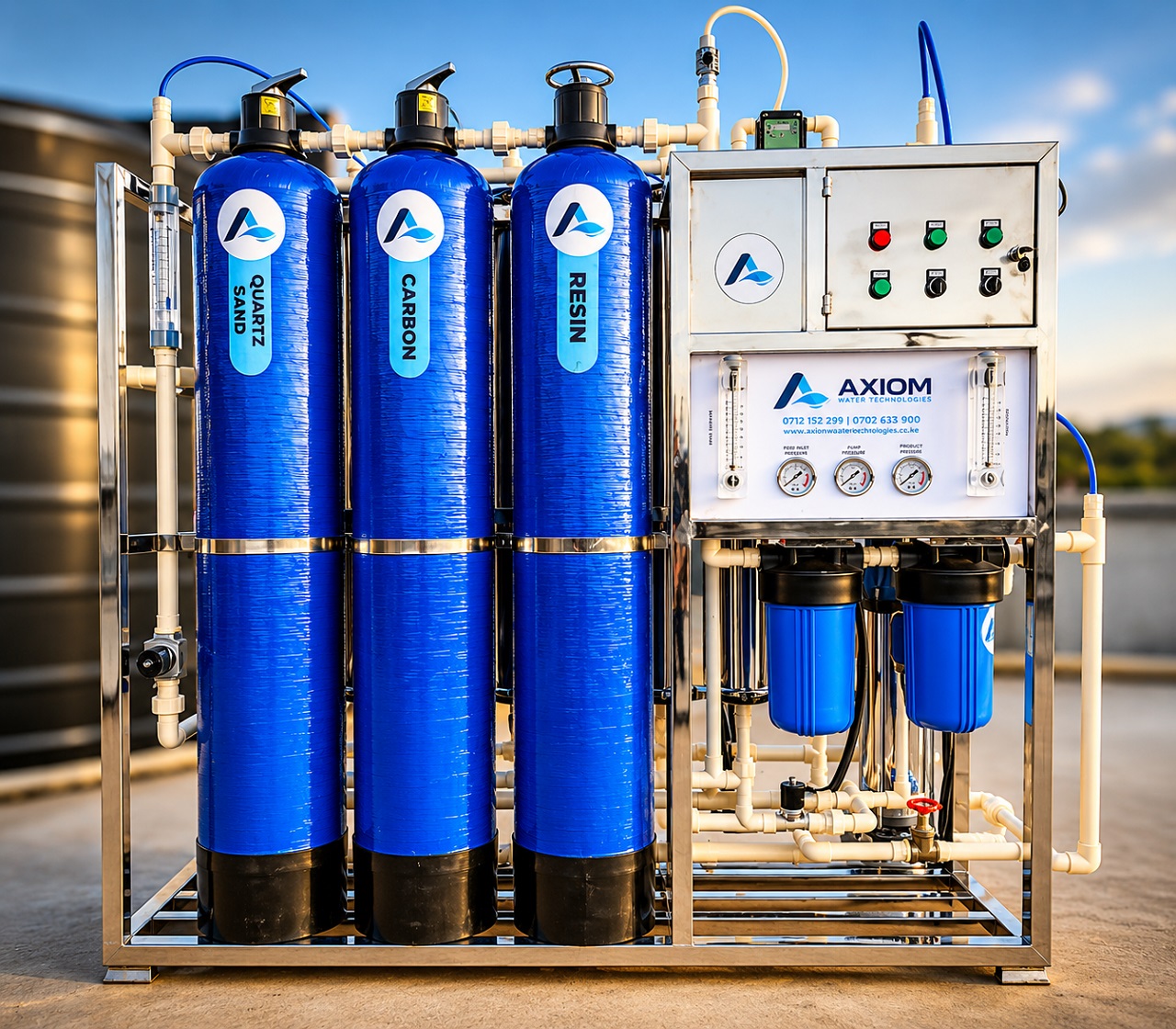 Reverse osmosis systems for schools in Kenya are advanced water purification systems that use a semi-permeable membrane to remove dissolved salts, bacteria, viruses, heavy metals, fluoride, nitrates, and other contaminants from water. They produce clean, safe drinking water suitable for schools, colleges, universities, and other educational institutions while improving taste, protecting student health, and reducing dependence on packaged water.
Why Kenyan Schools Need Reverse Osmosis Water Purification Systems
Many schools across Kenya rely on water sources that are unsuitable for direct drinking without proper treatment. Boreholes often contain excessive fluoride, salinity, iron, manganese, or dissolved minerals. Municipal water may still contain sediments, chlorine, microbial contamination due to ageing distribution systems, or seasonal fluctuations in quality.
Providing untreated water exposes students and staff to avoidable health risks while affecting the taste and acceptability of drinking water.
Modern school RO systems solve these challenges by producing consistently safe water throughout the year.
Some of the major benefits include:
- Removal of up to 99% of dissolved contaminants
- Significant reduction of fluoride where source water contains excessive levels
- Improved taste, odour and clarity
- Reduced maintenance of drinking dispensers
- Elimination of recurring bottled water expenses
- Compliance with recommended drinking water quality standards
For boarding schools, universities and colleges serving hundreds or thousands of learners every day, installing a central RO plant is often more economical than purchasing packaged drinking water.
Pro Tip: Before purchasing any RO system, conduct a professional laboratory water analysis. Water chemistry determines the correct treatment process and membrane configuration.
How Reverse Osmosis Systems Work in Schools
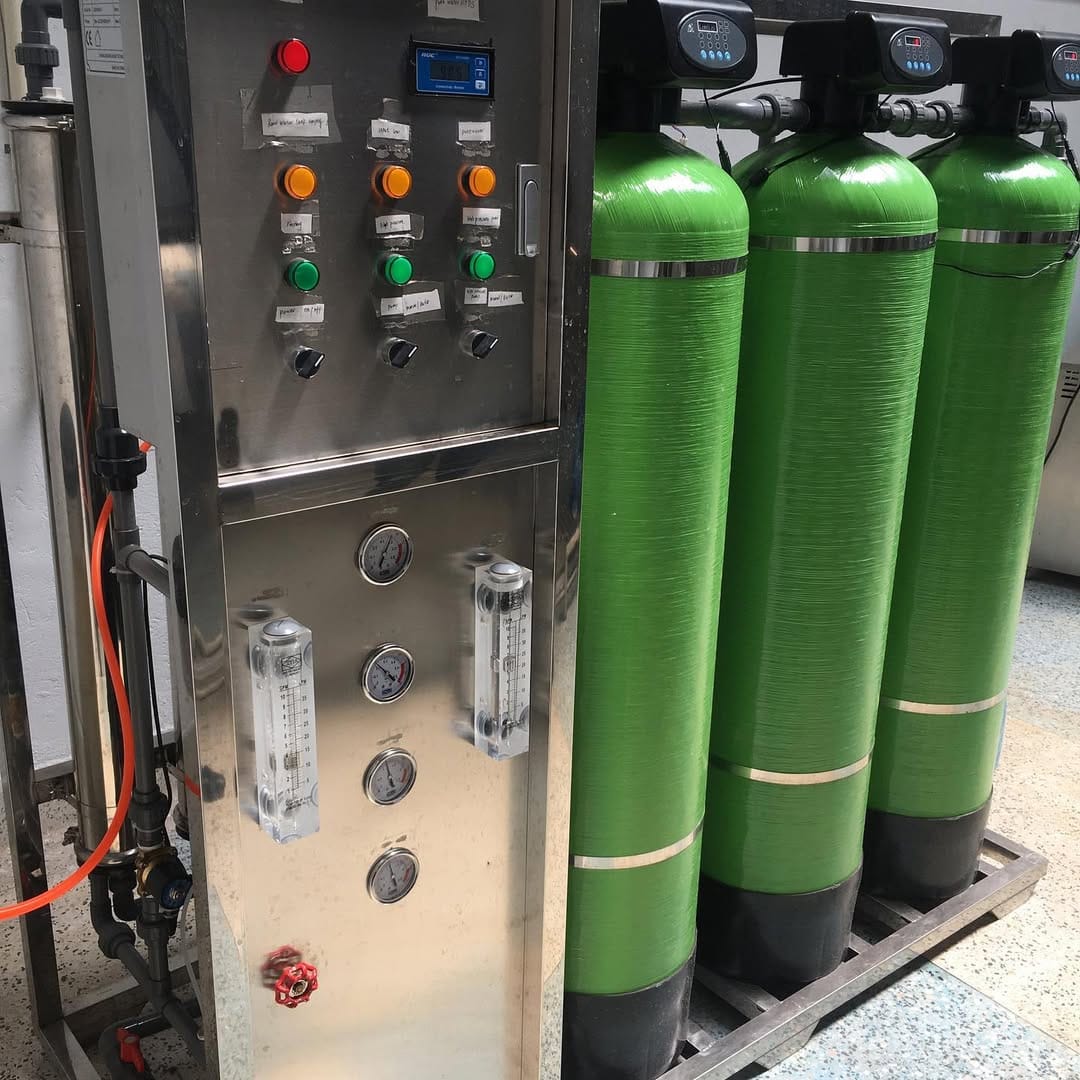 Although reverse osmosis technology is sophisticated, its operating principle is straightforward.
Water Intake
Water enters the treatment system from a borehole, municipal supply or storage tank.
Pre-Treatment
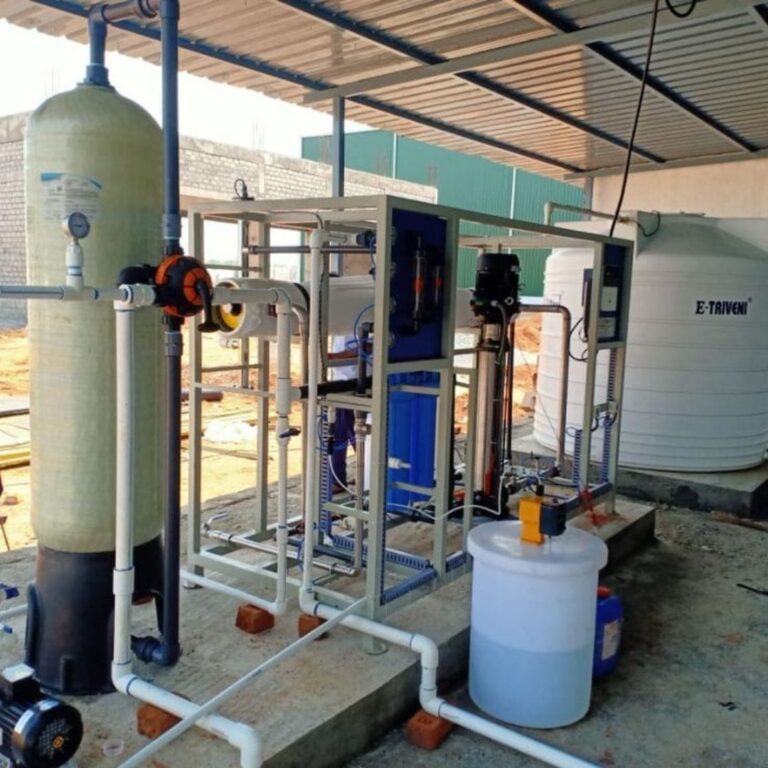
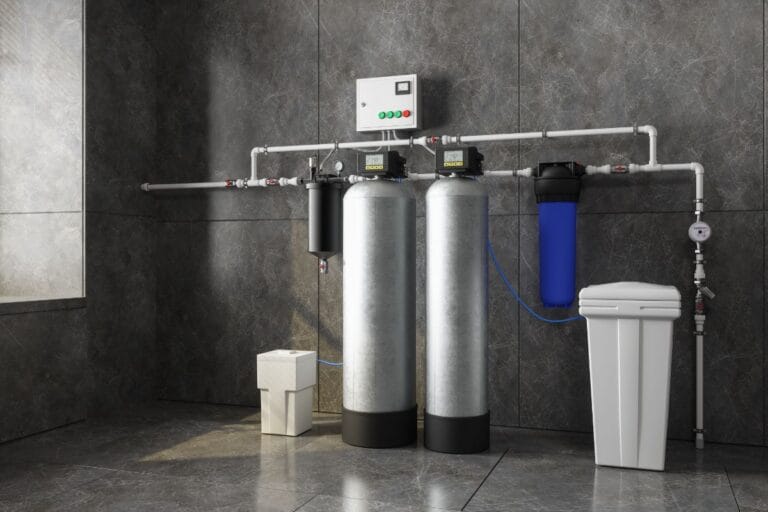
Before reaching the RO membrane, water passes through several filtration stages that may include:
- Multimedia sand filtration
- Activated carbon filtration
- Sediment filtration
- Water softening where necessary
- Chemical dosing for scale prevention
These stages protect the RO membrane from fouling and extend its operational life.
Reverse Osmosis Membrane
This is the heart of the system.
The membrane allows only water molecules to pass while rejecting dissolved salts, bacteria, viruses, fluoride, heavy metals and numerous other impurities.
Post-Treatment
After purification, the water may pass through:
- UV sterilisation
- Ozone disinfection
- Mineral balancing (when required)
- Storage tanks
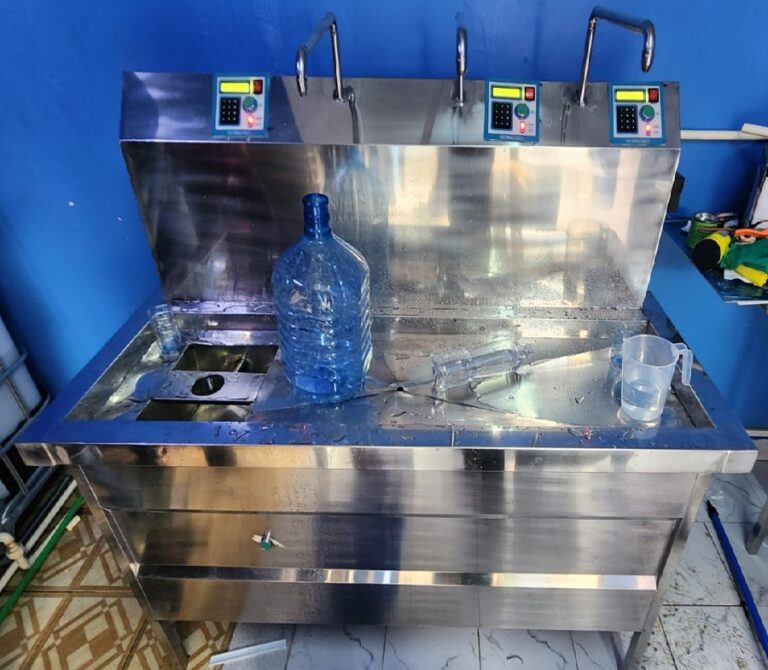
- Chilled water dispensers or refill stations
The result is clean, pleasant-tasting drinking water ready for students and staff.
Benefits of Installing Reverse Osmosis Systems for Schools in Kenya
 Educational institutions gain much more than clean water.
- Better Student Health- Access to purified water reduces exposure to waterborne contaminants and encourages students to drink more water throughout the day.
- Lower Operating Costs- Instead of continually purchasing bottled water or hiring water vendors, schools produce drinking water on-site.
- Environmental Sustainability- Schools dramatically reduce plastic bottle consumption, supporting environmental conservation initiatives.
- Improved Institutional Reputation- Parents increasingly evaluate schools based on health, sanitation and student welfare.
- Installing professional water purifiers for schools demonstrates commitment to providing a safe learning environment.
- Reliable Daily Water Supply- Even during periods of fluctuating municipal water quality, schools continue producing consistent drinking water.
- Suitable for Large Institutions- Modern RO plants are available in capacities suitable for:
- Primary schools
- Secondary schools
- Boarding schools
- Universities
- Technical institutes
- Colleges
- Teacher training colleges
Comparison of Common School Water Purification Options
| Water Treatment Method | Removes Dissolved Salts | Removes Fluoride | Removes Bacteria & Viruses | Suitable for Large Schools | Operating Cost |
| Boiling | No | No | Yes | No | High |
| UV Sterilisation | No | No | Yes | Yes | Low |
| Activated Carbon Filters | Limited | No | Limited | Yes | Low |
| Ultrafiltration (UF) | No | No | Yes | Yes | Moderate |
| Reverse Osmosis | Yes | Yes | Yes | Yes | Excellent Long-Term Value |
The table clearly shows why the best reverse osmosis water purifiers for schools in Kenya remain the preferred solution whenever water contains dissolved minerals, fluoride or high salinity.
Types of Reverse Osmosis Systems Available for Schools
Not every institution requires the same purification capacity. Selecting the appropriate system depends on daily water demand, student population, source water quality, and future expansion plans.
Small School RO Systems 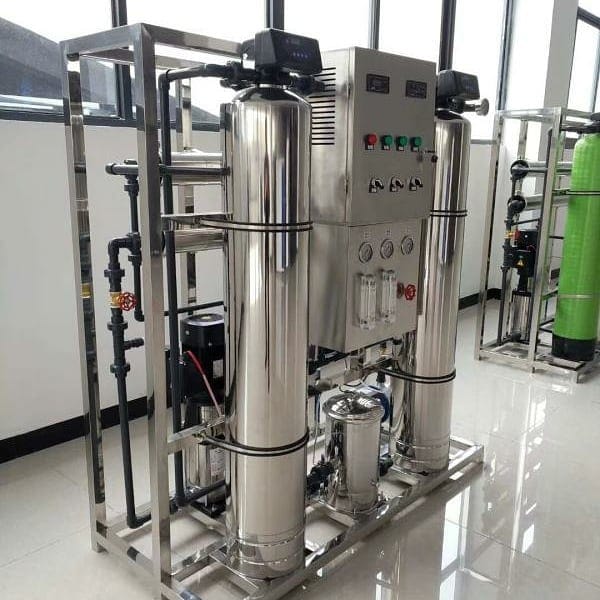
Ideal for:
- Nursery schools
- Kindergartens
- Small academies
- Day schools
Typical production ranges from 250 to 500 litres per hour.
Medium Capacity Systems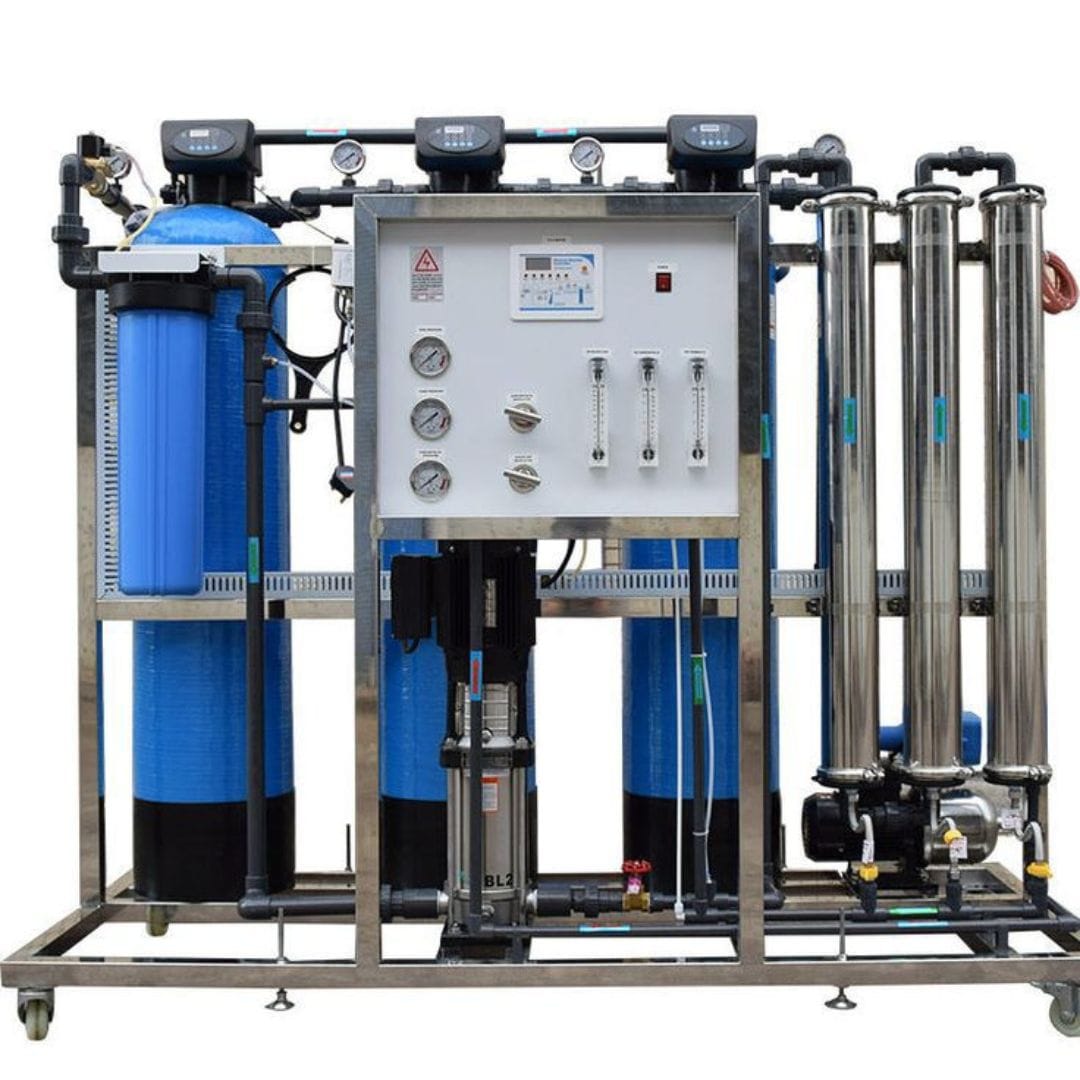
Suitable for:
- Mixed day and boarding schools
- Medium-sized secondary schools
- Teacher training colleges
Production capacities commonly range between 500 and 2,000 litres per hour.
Industrial School RO Plants 
Designed for:
- Universities
- National schools
- Large boarding schools
- Technical institutions
- Campuses with several thousand students
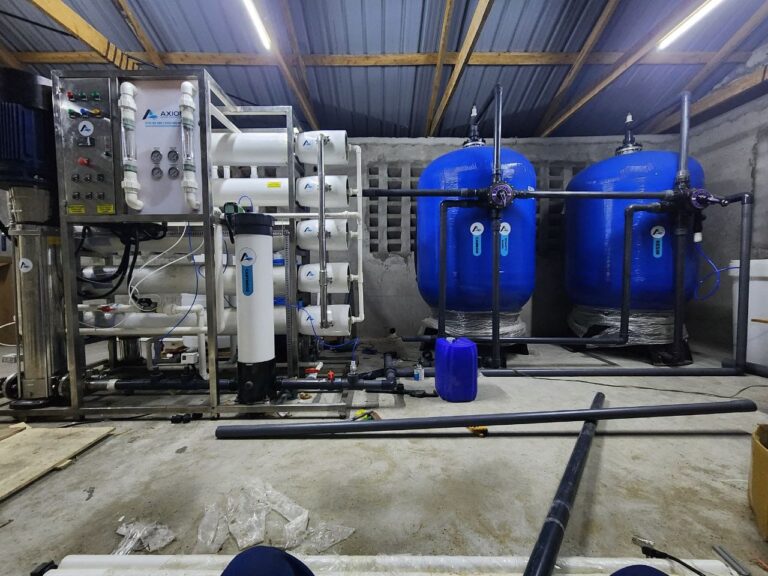
These systems can produce several thousand litres of purified water every hour while integrating with central storage tanks and multiple dispensing points.
Pro Tip: Always size an RO system based on projected student enrolment over the next five to ten years, not just current numbers. This avoids expensive upgrades as the institution grows.
Key Features to Look for in the Best Reverse Osmosis Systems for Kenyan Schools
When evaluating the best RO systems for schools in Kenya, consider more than just the purchase price. A reliable system should provide consistent performance, low operating costs, and long service life.
Look for features such as:
- Food-grade stainless steel construction
- High-efficiency RO membranes
- Automatic flushing systems
- Low-pressure protection
- Dry-run pump protection
- Digital monitoring and control
- Energy-efficient high-pressure pumps
- Easy maintenance access
- High-quality pre-treatment units
- Availability of replacement filters and membranes locally
- Professional installation and commissioning
- Local technical support and preventive maintenance services
Choosing a system with these features helps ensure dependable operation throughout the school calendar while minimising downtime and maintenance costs.
Pro Tip: The most expensive RO system is not always the best investment. Focus on water quality, energy efficiency, spare parts availability, after-sales support, and the supplier’s technical expertise rather than purchase price alone.
Choosing the Right Reverse Osmosis System Capacity for Your School
 Selecting the correct capacity is one of the most important decisions when investing in a school water purification system. An undersized system struggles to meet demand during peak hours, while an oversized unit increases capital and operating costs unnecessarily.
The ideal capacity depends on several factors:
- Number of students and staff
- Boarding or day school status
- Daily drinking water consumption
- Kitchen and food preparation requirements
- Future student population growth
- Quality of the incoming water
- Hours available for water production
As a general guideline, a boarding school typically consumes significantly more purified water than a day school because students require drinking water throughout the day and evening, while kitchens, dining halls and staff facilities also depend on a reliable supply.
Professional suppliers such as Axiom Water Technologies conduct site assessments and water quality analysis before recommending the appropriate system. This ensures the selected solution delivers adequate production without unnecessary expenditure.
Cost of Reverse Osmosis Systems for Schools in Kenya
The cost of school RO systems varies depending on capacity, water quality, automation level and optional equipment. Schools should consider the purchase as a long-term investment rather than simply comparing initial prices.
Some of the major cost factors include:
| Cost Factor | Effect on Price |
| Water production capacity | Larger systems cost more due to bigger pumps, membranes and tanks. |
| Raw water quality | High fluoride, salinity or iron levels may require additional pre-treatment. |
| Automation level | PLC controls, digital monitoring and automatic flushing increase efficiency but also initial cost. |
| Storage capacity | Larger treated water tanks increase project cost. |
| Installation requirements | Pipework, electrical works and civil construction influence overall investment. |
| Optional accessories | UV sterilisation, ozone systems, chillers and refill stations add functionality and cost. |
Although the upfront investment may appear substantial, schools often recover their costs through:
- Elimination of bottled drinking water purchases
- Reduced dependence on water vendors
- Lower maintenance costs
- Improved operational efficiency
- Reduced plastic waste management costs
When evaluating quotations, schools should compare the total cost of ownership rather than the purchase price alone. Energy efficiency, membrane lifespan, spare parts availability and technical support all contribute to long-term value.
Why Reverse Osmosis Is Better Than Conventional Water Filters for Schools
Many institutions initially consider ordinary filtration systems because of their lower purchase price. However, conventional filters and reverse osmosis systems perform very different functions.
Conventional Water Filters
Typical cartridge and carbon filters remove:
- Sediment
- Rust particles
- Chlorine
- Some unpleasant odours
- Limited organic contaminants
However, they generally do not remove:
- Fluoride
- Dissolved salts
- Heavy metals
- Nitrates
- High salinity
- Most dissolved minerals
Reverse Osmosis Systems
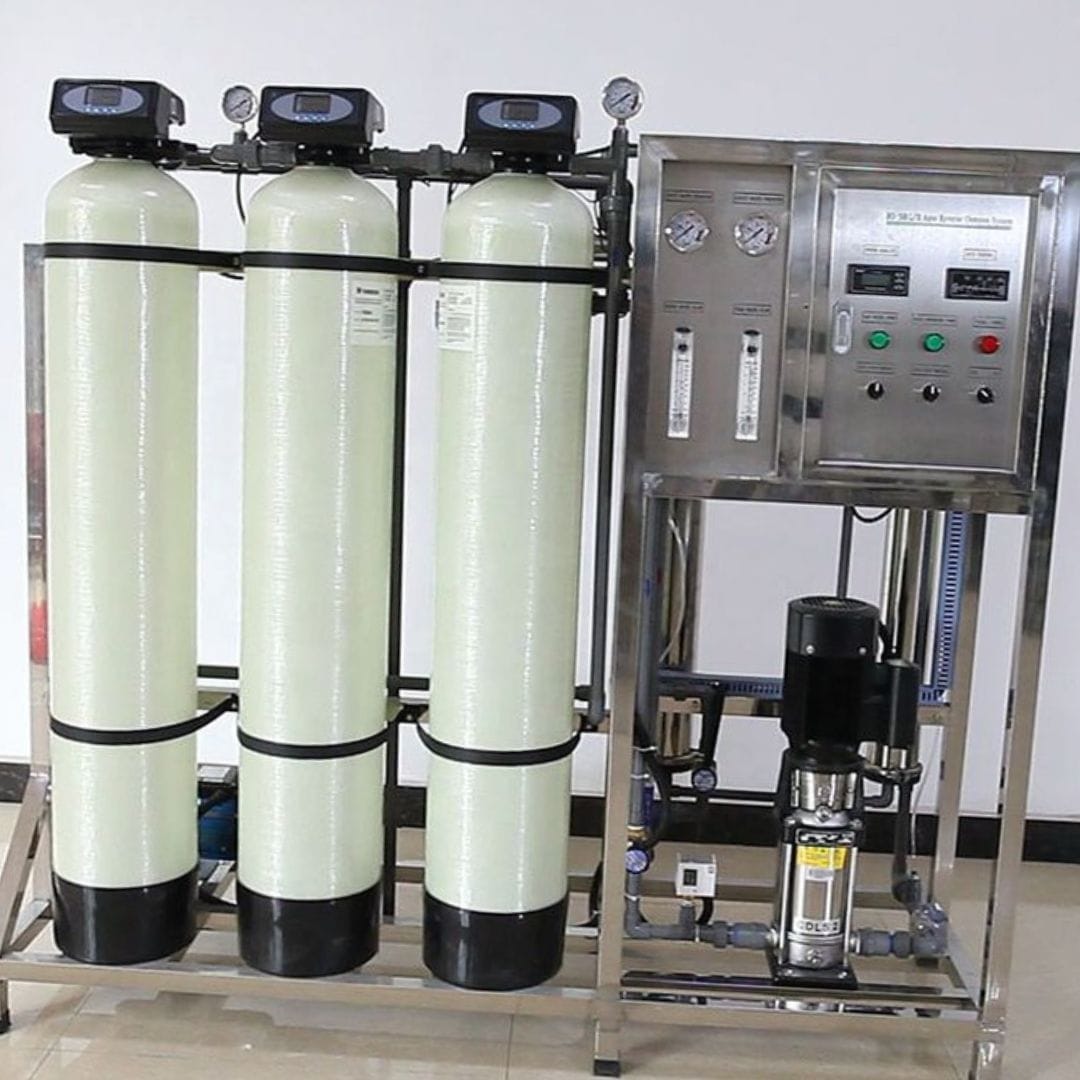 The best reverse osmosis water purifiers for schools in Kenya provide far more extensive treatment by removing:
- Fluoride
- Total Dissolved Solids (TDS)
- Lead
- Arsenic
- Mercury
- Cadmium
- Nitrates
- Bacteria
- Viruses
- Dissolved salts
- Numerous chemical contaminants
This makes reverse osmosis particularly suitable for schools supplied by boreholes, where groundwater chemistry varies significantly across different parts of Kenya.
Why Borehole Water in Many Kenyan Schools Requires Reverse Osmosis
Boreholes provide an excellent source of water, but groundwater quality differs greatly from one region to another.
Schools in counties such as Nakuru, Kajiado, Baringo, Narok, Laikipia, Machakos, Kitui, Makueni and parts of the Rift Valley frequently encounter elevated fluoride concentrations. Coastal regions may experience high salinity, while other locations struggle with iron, manganese or excessive dissolved solids.
A properly designed reverse osmosis system addresses these challenges by producing water that is safer, clearer and better tasting.
This is why many institutions looking for the best RO water purification machines for schools in Kenya choose reverse osmosis instead of relying solely on conventional filtration technologies.
Pro Tip: Never purchase an RO plant based solely on another school’s installation. Two neighbouring schools can have completely different groundwater chemistry, requiring different treatment designs.
Common Mistakes Schools Make When Buying Water Purifiers
Choosing the wrong supplier or system can lead to unnecessary operating costs, poor water quality and frequent breakdowns. Understanding these common mistakes helps institutions make informed decisions.
- Buying Without Water Analysis
Every water source has unique characteristics. Installing a system without laboratory testing often results in poor performance or premature membrane failure. - Choosing the Cheapest System
Low-cost equipment may lack quality membranes, reliable pumps or adequate pre-treatment. The result is higher maintenance costs and shorter equipment lifespan. - Ignoring Future Expansion
Many schools increase enrolment over time. Purchasing a system that only meets current demand can require expensive upgrades within a few years. - Neglecting After-Sales Support
Even the highest-quality RO system requires routine servicing, filter replacement and technical support. Choosing a supplier with limited local presence can lead to prolonged downtime. - Overlooking Water Storage Requirements
Purified water production should be matched with appropriately sized storage tanks to ensure uninterrupted supply during peak consumption periods. - Failing to Train Staff
Operators should understand routine inspections, sanitation procedures and maintenance schedules to maximise system performance and longevity.
Why Axiom Water Technologies Is the Preferred Partner for School Water Purification
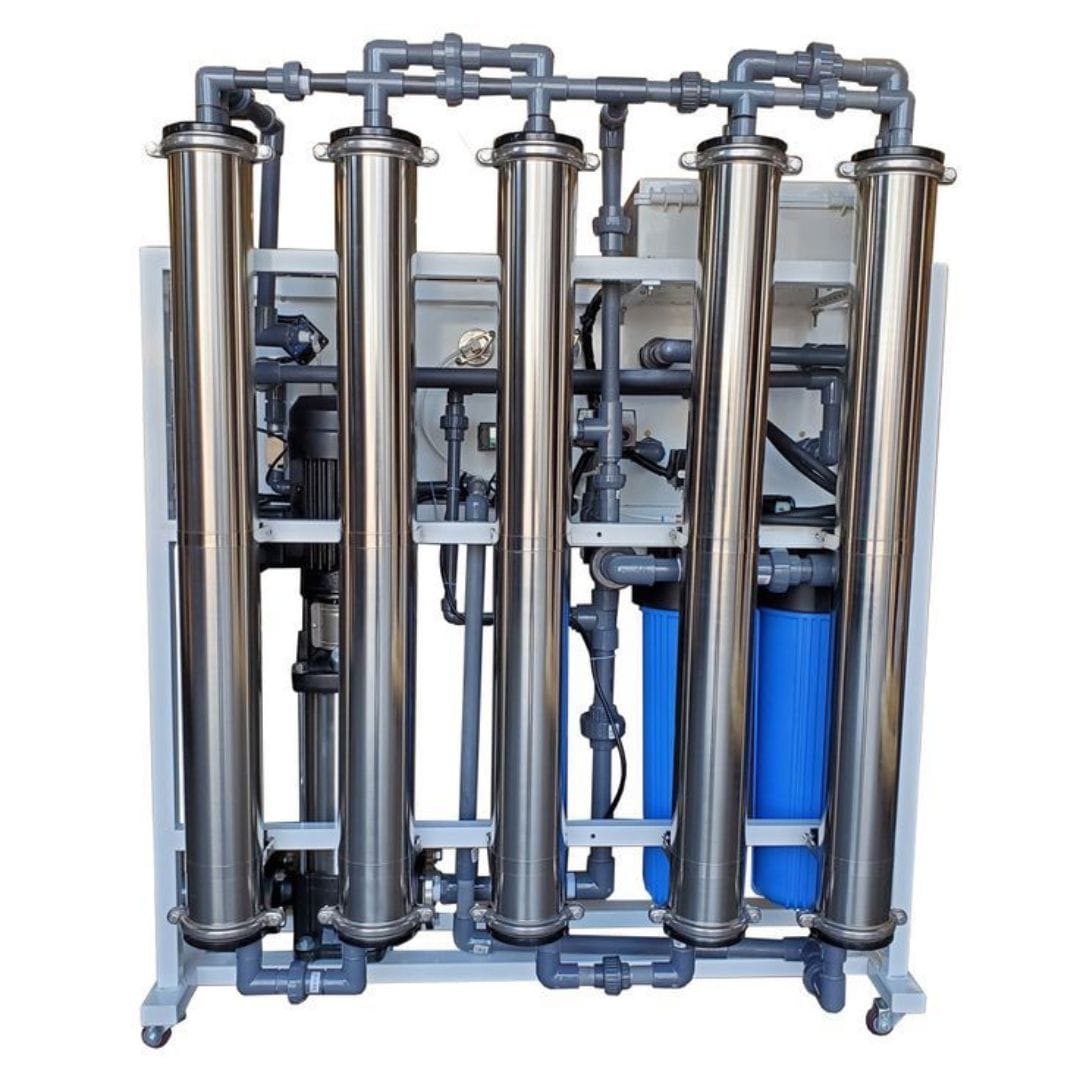 Educational institutions require more than just equipment. They need a trusted technical partner capable of designing, installing and supporting reliable water treatment systems for many years.
Axiom Water Technologies delivers complete solutions tailored to the needs of Kenyan learning institutions, from small academies to universities.
Schools choose Axiom because the company offers:
- Professionally engineered reverse osmosis systems
- Custom-designed solutions based on water analysis
- High-quality components from trusted manufacturers
- Energy-efficient system designs
- Installation by experienced technicians
- Preventive maintenance programmes
- Reliable after-sales technical support
- Readily available replacement filters, membranes and spare parts
- Water refill station integration for campuses
- Solutions designed specifically for Kenyan water conditions
Whether your institution requires a compact purification unit or a large-scale water treatment plant serving thousands of students, Axiom Water Technologies provides dependable systems engineered for long-term performance.
Reverse Osmosis Systems for Schools in Kenya- Conclusion
Providing safe drinking water is one of the most valuable investments a learning institution can make. Whether your school relies on borehole water, municipal supply or another water source, reverse osmosis systems for schools in Kenya offer a reliable way to produce high-quality drinking water while reducing long-term operating costs.
The right system should be selected based on a professional water quality analysis, daily consumption requirements and future enrolment projections. Institutions should also consider the supplier’s technical expertise, after-sales support, availability of spare parts and commitment to long-term service.
For schools seeking dependable school RO systems, water purifiers for schools, or the best RO water purification machines for schools in Kenya, partnering with an experienced manufacturer makes all the difference. A professionally designed reverse osmosis solution protects student health, supports regulatory compliance and provides a sustainable source of clean drinking water for many years.
Get the Best Reverse Osmosis Systems for Schools in Kenya from Axiom Water Technologies
 Every school deserves a reliable supply of safe, great-tasting drinking water. If your institution is struggling with fluoride, salinity, poor water quality, or the rising cost of bottled water, Axiom Water Technologies has the expertise to deliver a solution that fits your needs and budget.
We specialise in designing, manufacturing, installing and maintaining high-performance reverse osmosis water purification systems for educational institutions across Kenya. From small private academies to large universities, we provide customised systems engineered for local water conditions and built for dependable long-term operation.
Why Choose Axiom Water Technologies Reverse Osmosis Systems?
- Custom-engineered solutions based on professional water quality analysis.
- Premium-quality RO systems manufactured using durable, high-performance components.
- Complete turnkey installation, including design, installation, commissioning and operator training.
- Reliable after-sales support, preventive maintenance and readily available spare parts.
- Integrated water refill station solutions for schools, colleges and universities looking to provide affordable, hygienic drinking water across campus.
Our experienced team works closely with school administrators, boards of management and project consultants to recommend the most suitable water treatment solution for every institution.
Contact Axiom Water Technologies Today
Whether you are planning a new school, upgrading an existing water treatment system or requesting a quotation, we are ready to help.
- Call / WhatsApp: +254 702 633 900
- Email: info@axiomwatertechnologies.co.ke
- Location: Toll Station, Near Kimbo, Ruiru, Kenya
- Business Hours: Monday to Friday, 8:00 AM – 6:00 PM
- You can also fill in our contact form to request a free consultation or quotation, or leave a comment below this article, and one of our water treatment specialists will respond promptly with expert advice tailored to your school’s requirements.
Frequently Asked Questions (FAQs)
- Which are the best reverse osmosis systems for schools in Kenya?
The best reverse osmosis systems are those designed specifically for your school’s water quality, daily demand and future growth. A professionally engineered system with proper pre-treatment, high-quality membranes and dependable after-sales support will deliver better long-term value than a generic off-the-shelf unit. - How much does a reverse osmosis system for a school cost in Kenya?
The cost depends on factors such as production capacity, source water quality, level of automation, storage requirements and installation complexity. Small institutions generally require lower-capacity systems, while boarding schools and universities need much larger plants. A site survey and water analysis are the best way to obtain an accurate quotation. - Are reverse osmosis systems suitable for borehole water in Kenyan schools?
Reverse osmosis is one of the most effective technologies for treating borehole water, especially where fluoride, salinity, dissolved salts or heavy metals are present. However, the system should always be designed after analysing the raw water to ensure the correct treatment process is applied. - Reverse osmosis vs ultrafiltration for schools: Which is better?
Ultrafiltration is effective at removing suspended solids, bacteria and some microorganisms, but it does not remove dissolved salts, fluoride or many chemical contaminants. Reverse osmosis removes a much wider range of impurities, making it the preferred option where groundwater quality is a concern. - How often do school reverse osmosis systems require maintenance?
Routine maintenance is essential for reliable operation. Sediment and carbon filters require periodic replacement, while RO membranes typically last several years when the system is correctly designed and maintained. Preventive servicing also helps maximise water quality and equipment lifespan. - Where can I buy reverse osmosis systems for schools near me in Kenya?
Schools across Kenya can source professionally designed reverse osmosis systems from Axiom Water Technologies. The company supplies, installs and services water purification systems for schools, colleges and universities in Nairobi, Kiambu, Mombasa, Kisumu, Nakuru, Eldoret and other counties nationwide. - Can reverse osmosis systems support school water refill stations?
Many institutions combine reverse osmosis plants with water refill stations, allowing students and staff to access safe drinking water conveniently across the campus. This approach reduces reliance on disposable plastic bottles while improving access to clean water throughout the school day. - Why should schools choose Axiom Water Technologies?
Axiom Water Technologies combines technical expertise, quality equipment and dependable after-sales support to deliver water treatment systems built for Kenyan conditions. Every project begins with understanding the client’s water source and operational requirements, ensuring the recommended solution provides reliable performance, excellent water quality and long-term value.